







Mega Doctor News

Texas Border Business
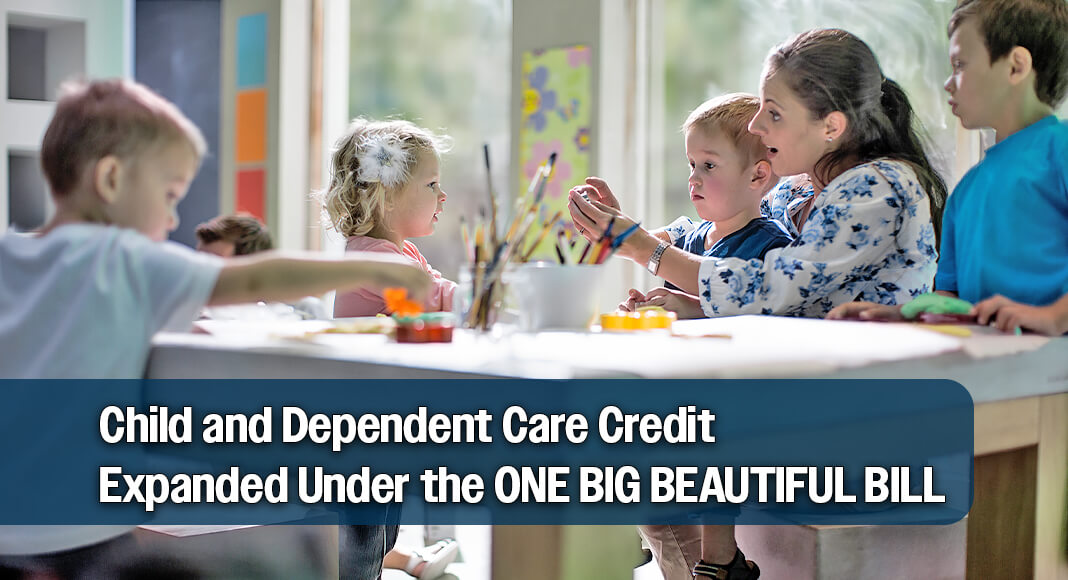
The ONE BIG BEAUTIFUL BILL (OBBB), signed into law on July 4, 2025, includes key updates to the Child and Dependent Care Tax Credit (CDCTC). These changes are designed to increase support for working families who pay for childcare or care for dependents while earning income. The updates also raise the limits for employer contributions toward childcare benefits.
Starting January 1, 2026, the maximum percentage of qualifying care expenses that can be claimed under the CDCTC will increase from 35% to 50%. This adjustment allows eligible taxpayers to claim a larger credit for care-related costs, which helps reduce the amount of taxes owed. According to the bill: “For taxable years beginning after December 31, 2025, the applicable percentage of employment-related expenses shall be increased to 50 percent.” This change remains in effect until December 31, 2029.

The CDCTC provides tax relief to individuals and families who pay for care for children under age 13 or for a spouse or dependent who is physically or mentally incapable of self-care. The credit applies only to expenses incurred so the taxpayer (and their spouse, if filing jointly) can work or look for work. Under the previous law, the maximum allowable percentage of eligible expenses was 35%, and it decreased based on income. The OBBB now increases the top rate to 50%, potentially offering greater benefits to a wider range of income levels, depending on future IRS guidance.
The new law also makes changes to how much employers can contribute to childcare benefits for their employees. Previously, the exclusion limit for employer-provided dependent care assistance programs was $5,000 per year. The OBBB raises this limit, although the exact dollar increase will be adjusted annually for inflation and confirmed by the Internal Revenue Service. The law states: “The annual exclusion limit under Section 129 shall be increased to reflect inflation and policy adjustments as determined by the Secretary of the Treasury, not to exceed a 50 percent increase over 2025 levels.”
Employer contributions to dependent care assistance programs are excluded from the employee’s gross income, meaning they are not subject to federal income or payroll taxes. This allows businesses to offer tax-advantaged support for childcare, while helping workers reduce the financial burden of care services. The higher exclusion limit may also encourage more employers to provide these benefits.
In addition to boosting the percentage rate and employer limits, the OBBB directs the IRS and the Department of the Treasury to issue guidance to ensure that taxpayers understand how to apply the new rules, maintain records, and meet eligibility criteria. Taxpayers are encouraged to keep receipts and documentation for all qualified care expenses.
These provisions will remain in place from tax year 2026 through 2029, unless extended or amended by future legislation. The updates aim to make it more affordable for families to pay for care while maintaining employment.
See related stories:


