







Mega Doctor News

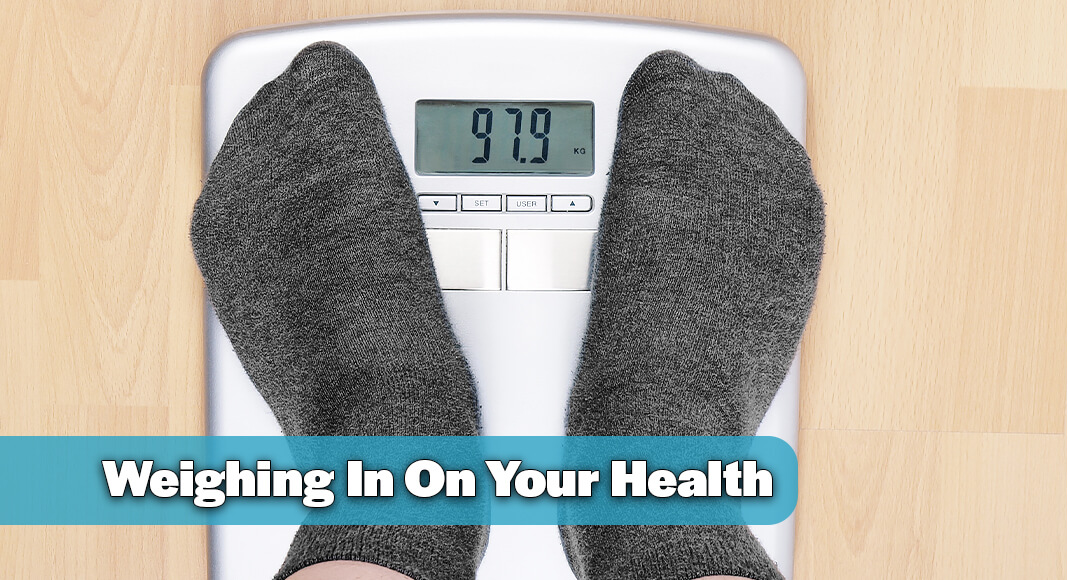
CLEVELAND CLINIC – When it comes to losing weight, many people use a scale to help check their progress – but that number doesn’t tell the whole story.
“That is one of the big issues that we have with weight and also with body mass index, or BMI, because you have to take into the fact that you’re looking at improving someone’s quality of life, which means, according to our studies and research, that it has to be a loss in fat mass that we’re looking for, or adipose tissue, as the medical personnel will talk about. So, when we talk about the scale, I talk to patients about multiple things when it comes to weight and not just the weight on the scale,” said Peminda Cabandugama, MD, endocrinologist at Cleveland Clinic.
Dr. Cabandugama said there are many factors that impact the number on the scale – one being time of day.

For example, weight may vary depending on whether you weigh yourself in the morning before breakfast or late in the afternoon.
Other factors like water retention, bloating or muscle gain from exercise can also make weight fluctuate.
Instead of relying on the scale to track progress, the “picture method” is another option – where you take a photo of yourself in the same clothes every two weeks.
You could also use a tape measure to check your waist-to-hip ratio.
But more importantly, pay attention to how you feel.
“The biggest thing about weight is quality of life,” he said. “I have patients who say, ‘Hey, I don’t really move much on this scale.’ They will tell me things that are important, like, ‘Hey, I climb up and down the stairs without being winded. I’m not in pain anymore. I get to play with my kids a lot more.’ That’s why quality of life plays a role.”
Dr. Cabandugama advises against weighing yourself every day since daily weight tends to fluctuate, and it can create an unhealthy habit.
Instead, he suggests using the scale once or twice a week.


