




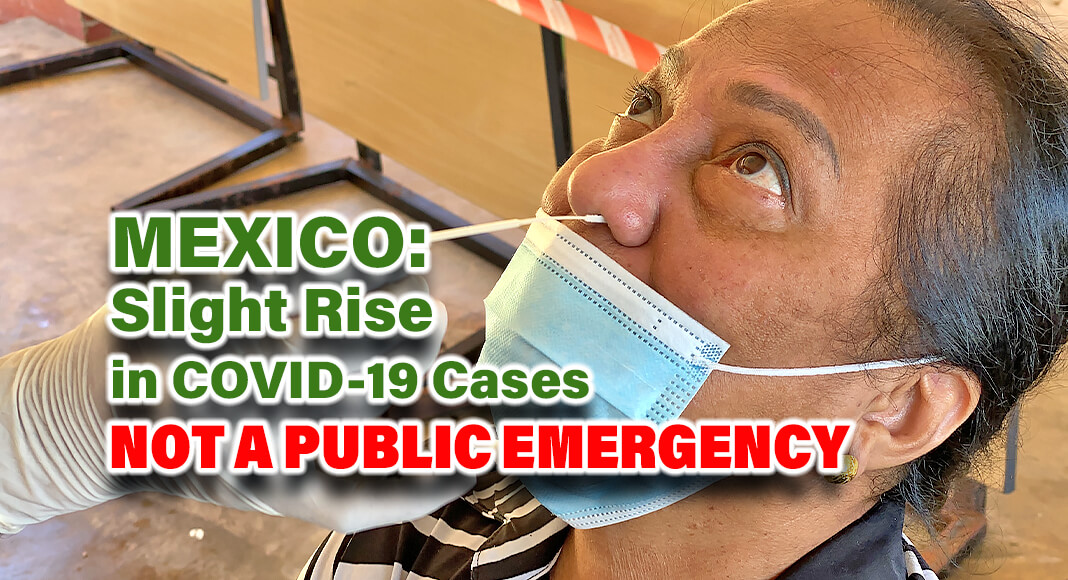
Mexico Sees Slight Rise in COVID Cases, but Government Assures Public Not to Worry

Translate to Spanish or other 102 languages!

In a Tuesday press conference, Health Minister Hugo López-Gatell stated that only 19 people across the country were presently hospitalized with the virus. He clarified that the slight increase was consistent with patterns observed in other nations, including the United States, and reiterated that no emergency situation existed. Image for illustration purposes

Mega Doctor News

- Advertisement -

By Roberto Hugo González

Despite a slight upswing in COVID-19 cases in Mexico, the government has assured the public that there’s no need for alarm. The Health Ministry dispelled fears, stating that the current situation remains manageable and within expected levels of variability for virus circulation.

In a Tuesday press conference, Health Minister Hugo López-Gatell stated that only 19 people across the country were presently hospitalized with the virus. He clarified that the slight increase was consistent with patterns observed in other nations, including the United States, and reiterated that no emergency situation existed.

- Advertisement -

The National Autonomous University of Mexico (UNAM) had recently reported a rise in positive tests for the virus. The university emphasized, however, that both hospitalizations and deaths have remained stable. UNAM urged precautions such as mask-wearing in enclosed spaces and self-isolation upon symptom development, primarily aimed at protecting its community as the new semester begins.

Addressing this, López-Gatell stated that the rise reported by UNAM, based on Health Ministry’s own data, has not been accompanied by a surge in severe cases warranting a return to universal mask-wearing. He emphasized that while mask use is not problematic, the ministry is not encouraging widespread use at this time due to upcoming winter season and potential mask fatigue among the populace.

The Health Ministry is planning a vaccination booster initiative for the most vulnerable populations, such as the elderly and chronically ill, in anticipation of a possible case surge during the winter months. López-Gatell pointed out that most current hospitalizations involve individuals who haven’t completed the recommended vaccination regimen.

It was also reported that the current low hospital occupancy rates in the National Health System, with less than 2% overall occupancy and a mere 0.5% in intensive care units.


- Advertisement -
- Advertisement -

- Advertisement -

More Articles

STHS Heart Earns National Recognition for Exceptional Stroke Care

Despite significant advances in prevention and treatment, cardiovascular disease remains the leading cause of death in the United States, accounting for nearly three in 10 deaths nationwide and claiming more than 940,000 lives each year, according to the Centers for Disease Control and Prevention (CDC).

Why Older Men Should Reconsider Their Long-Term Medications

One in three men will experience moderate-to-severe lower urinary tract symptoms in their lifetime, with symptoms including frequent urination, difficulty starting urination, nocturia and a weak urine stream. Although these are common symptoms, in older men, they can significantly impact quality of life.

STHS McAllen Recognized as National Leader in Stroke Care with 7th Consecutive Gold Plus Award

Stroke is the fifth-leading cause of death in the United States and one of the leading causes of serious long-term disability nationwide, according to the Stroke Awareness Foundation, affecting nearly 800,000 Americans each year.

Medicare’s New $50 GLP-1 Coverage: 7 Essential Facts to Know

For decades, it’s been against the law for Medicare to pay for weight-loss medication, but that changed on July 1, with the launch of a new program called Bridge. It gives some people over 65, or who have Medicare for other reasons, access to some weight management medications if they meet certain weight and health criteria.
- Advertisement -