








Mega Doctor News
The mind-body connection is vital for overall health because your thoughts, emotions and behaviors directly influence physical health, and your physical state affects mental well-being.
“It’s a powerful, two-way link that communicates through complex systems like hormones, neurotransmitters and the nervous system,” says Leticia Sosa, MSSW, LCSW, LCDC-I., KAP, CLYL, EMDR Therapist, Director of Outpatient Services, South Texas Health System Behavioral. “The mind-body connection impacts everything from stress response to mood and overall vitality, benefiting everything from sleep to chronic disease management.”
The principle behind holistic health, nurturing this link between the mind and body through practices like mindfulness, physical activity and healthy habits helps improve resilience while reducing inflammation and fostering better health outcomes.

Unfortunately, chronic negative emotions have been linked with a number of health problems, including heart disease, high blood pressure and immune dysfunction.
While about 80% of U.S. adults recognize the link between mental and physical health, according to Mental Health America, translating that awareness into holistic wellness remains a challenge.
“Many people have difficulty understanding the mind-body connection because it feels abstract to them, making it harder to visualize than physical connections like our bones,” says Sosa. “But it’s scientifically proven, with research showing literal brain links between movement, thought and involuntary functions.”
Restoring the mind-body connection is crucial to your overall health because it allows you recognize stress signals early, manage chronic pain while enhancing mental clarity and boosting overall resilience. Ultimately, it allows you to foster a more holistic approach to well-being through practices like mindfulness, yoga, and breathwork.
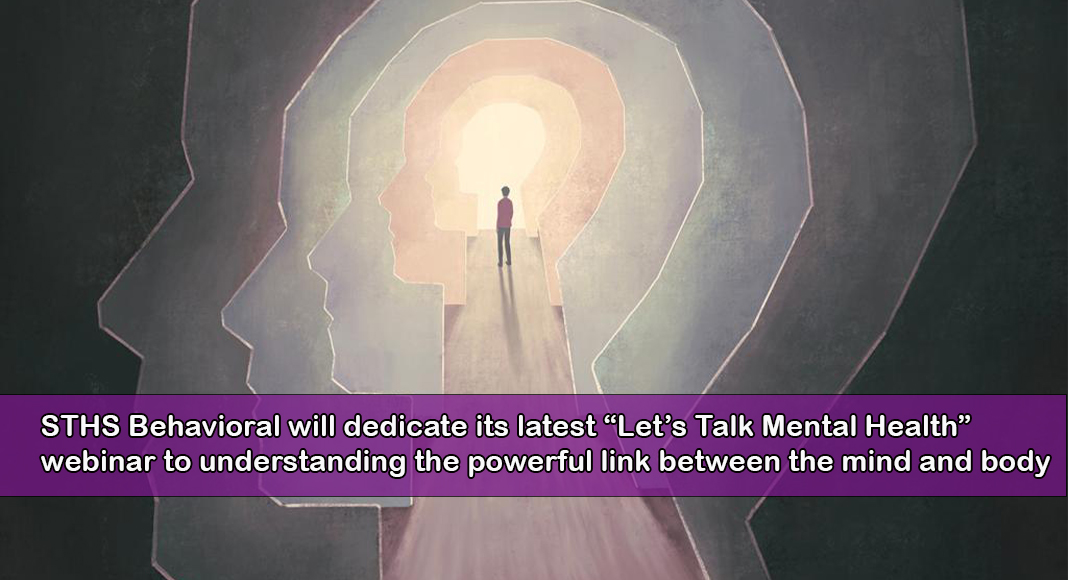
To help South Texas residents better understand how thoughts, emotions and physical health are deeply intertwined, STHS Behavioral will dedicate its latest Let’s Talk Your Mental Health webinar to the mind-body connection.
Broadcast live via South Texas Health System’s Facebook page, from 5:30 – 6:30 p.m., on Thursday, January 1, 2026, the online seminar will offer practical tools to help reduce stress, improve emotional balance, and support overall wellness through mindful awareness and intentional self-care.
During the online seminar, Sosa will highlight ways to integrate physical care with mental practices to improve overall health, including leveraging activities, creative outlets and social connection, as well as learning to set boundaries to reduce overwhelm and build resilience.
For more information on the webinar, visit the STHS Facebook Events page. If you’d like to view previous Let’s Talk Mental Health seminars, visit STHSLetsTalk.com.
| Who: | South Texas Health System Behavioral |
| What: | FREE virtual seminar entitled “Let’s Talk Mental Health – Mind-Body Connection” |
| When: | Thursday, January 1, 2025, from 5:30 – 6:30 p.m. |
| Where: | Online via STHS’ Facebook page |


