Mega Doctor News
- Advertisement -
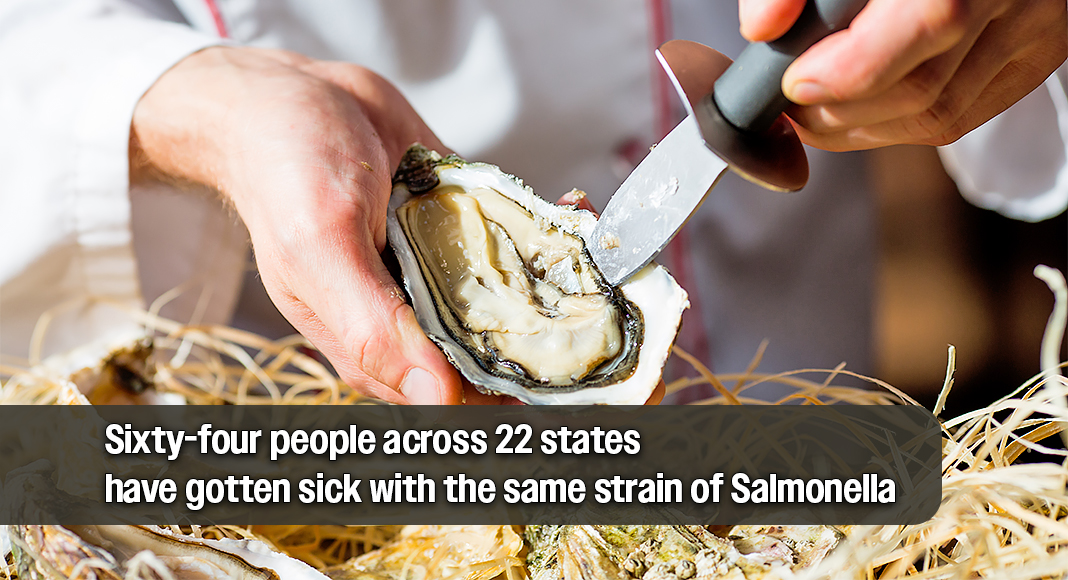
CDC – People in this outbreak are reporting eating raw oysters. CDC and FDA are working to determine if a common source of oysters can be identified. Raw oysters can be contaminated with germs at any time of year.
Key Points:
- Sixty-four people across 22 states have gotten sick with the same strain of Salmonella. Twenty people have been hospitalized, and no deaths have been reported.
- People in this outbreak are being hospitalized at a higher rate than expected when compared to other Salmonella outbreaks linked to oysters.
- State and local public health officials are interviewing people about the different foods they ate in the week before they got sick. Of the 27 people interviewed, 20 (74%) reported eating raw oysters.
- CDC and FDA are working to determine if a common source of oysters can be identified.
- No recall has been announced at this time.
What You Should Do:
- Advertisement -
- Raw oysters can be contaminated with germs at any time of year. Cook them before eating to reduce your risk of food poisoning.
- Hot sauce and lemon juice do not kill germs.
- You cannot tell if oysters have germs by looking at them.
About Salmonella:
- Most people infected with Salmonella develop diarrhea, fever, and stomach cramps 6 hours to 6 days after being exposed to the bacteria.
- The illness usually lasts 4 to 7 days, and most people recover without treatment.
- In some people, the illness may be so severe that the patient is hospitalized.
- Children younger than 5, adults 65 and older, and people with weakened immune systems are more likely to get severely sick.
If you have questions about cases in a particular state, please call that state’s health department.Information source: C
- Advertisement -