








Mega Doctor News
CLEVELAND CLINIC – Osteoporosis is a disease that weakens bones, making them more susceptible to sudden and unexpected fractures.
Ardeshir Hashmi, MD, Section Chief of Geriatrics for Cleveland Clinic, said some people may not even know they have it.
“Unfortunately, most people find out the hard way. They don’t think they’ve ever broken anything before and they say, ‘Well the fall wasn’t as bad as I thought it would be. I didn’t think I would get these fractures,’ and yet there they are with a fracture,” said Dr. Hashmi. “By definition, that fragility fracture is that you have osteoporosis.”

The good news is that osteoporosis can largely be prevented.
Dr. Hashmi said the key is to start healthy habits early on, which include eating foods that have calcium to help support bone health, taking the right supplements like vitamin D, and of course exercising.
He notes the latest research shows it can be beneficial to combine strength and aerobic training.
However, be careful not to overdo it so you don’t get hurt.
You also don’t necessarily have to go to the gym.
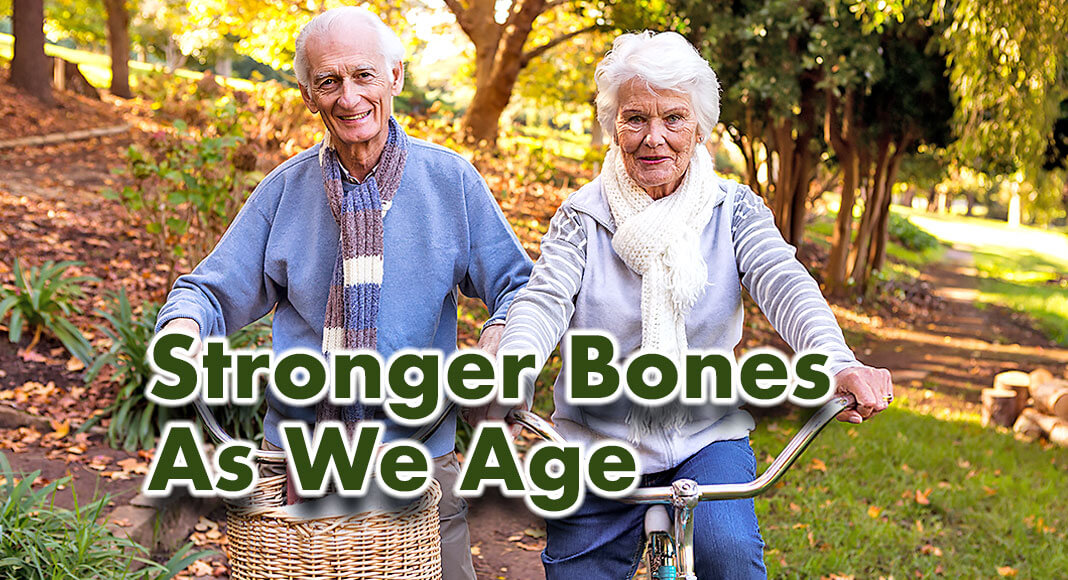
There are other physical activities a person can do instead, like walking, climbing stairs or riding a bike.
You could even dance or do some gardening, it really depends on what you enjoy.
“For some people, it’s even water-type exercising, so aquatic therapy or swimming. But that gives you more aerobic sort of exercise,” he explained. “The resistance does come though and it actually comes from the counter-pressure of the water. So, if I was in the pool just walking around, that would give me some strength training and some aerobic exercise as well.”
Dr. Hashmi said for those who may be concerned that they’re at risk for osteoporosis or think they have it, it’s important to talk to their physician, as there are tests available to check, like a bone density scan.


