








How Anthocyanins Give Blueberries Their Superfood Status

Translate to Spanish or other 102 languages!

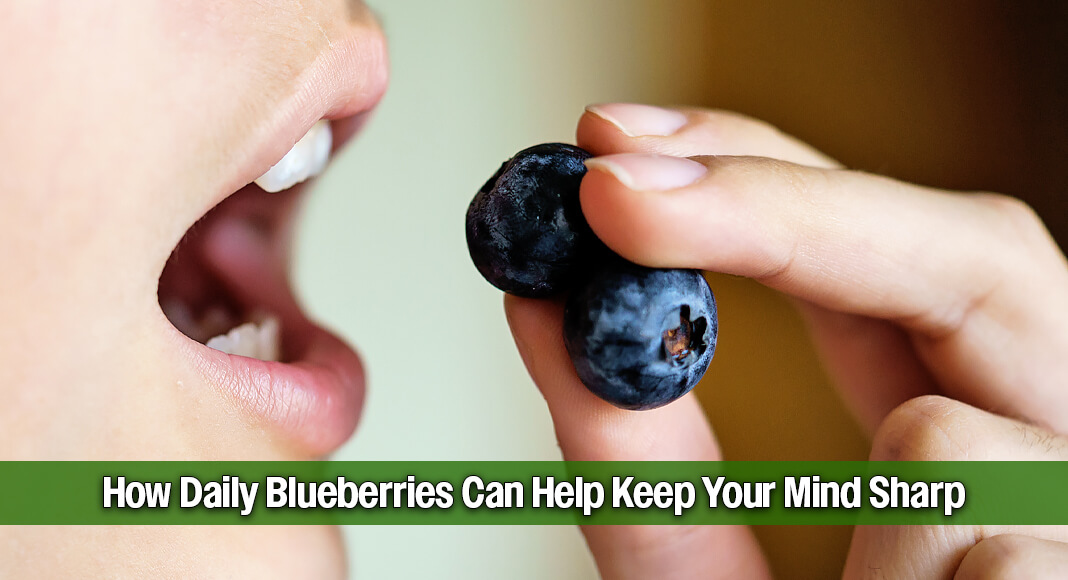
If you like blueberries, or have been thinking about trying them, you may be surprised to know this tiny fruit offers some big health benefits. Image for illustration purposes.
- Advertisement -

CLEVELAND CLINIC – If you like blueberries, or have been thinking about trying them, you may be surprised to know this tiny fruit offers some big health benefits.

“Blueberries have a rich source of antioxidants, actually one of the largest sources of antioxidants when it comes to fruit. They contain an antioxidant called anthocyanin. Anthocyanin gives blueberries that blue hue,” said Julia Zumpano, RD, registered dietitian at Cleveland Clinic.

Antioxidants help protect the body from cell damage and disease, which is why fruits like blueberries are so beneficial.

- Advertisement -

But that’s not all. 

Zumpano said blueberries have also been shown to help with brain health, heart health and reducing inflammation. 

So, what’s the best way to eat them? 

She said you could eat them on their own or add them to something else, like a salad, muffins or pancakes.

- Advertisement -

You also don’t need to buy fresh blueberries.

Frozen can be a great option if you want to save money.

“I always have a frozen bag of blueberries in my freezer. They defrost well, you can microwave them for a couple of minutes and throw them into oatmeal, yogurt, or a smoothie. There are so many versatile ways you can use them, so it’s a matter of just getting them on your routine grocery list,” she said. 

Zumpano said while blueberries offer a lot of benefits, it’s worth checking out other berries too, like blackberries and raspberries. 

That way you have more variety in your diet. 

- Advertisement -
- Advertisement -

- Advertisement -

More Articles

Endocrine Society Outlines Strict Rules for Safe Testosterone Therapy

The Society’s Clinical Practice Guideline on testosterone replacement therapy in men with hypogonadism offers recommendations on appropriate testing and prescribing practices. 

The Simple Blood Draw Reshaping the Future of Alzheimer’s Care

Diagnosing dementias such as Alzheimer’s disease is a complex process. While we’ve gained significant ground in understanding how the disease affects the brain, clinicians must still rely on generalized cognitive tests and advanced brain scans to make a definitive diagnosis.

Exploring Facial Processing Differences in Autism

Some of the hallmark characteristics of autism are the tendencies to avoid looking at other’s faces and making less eye contact.

New Lancet Commission Outlines Roadmap to Close the Gender Gap in Blood Disorders

A new report in The Lancet Haematology, led by Cleveland Clinic hematologist Bethany Samuelson Bannow, M.D., outlines practical strategies to improve diagnosis, care and outcomes globally for women and girls with hematological conditions, such as bleeding disorders, heavy menstrual bleeding, postpartum hemorrhage, thrombosis and maternal hematologic complications.
- Advertisement -

