Mega Doctor News
Stress is a natural response to change and challenge, often affecting individuals physically, emotionally and behaviorally.
While it is an unavoidable part of daily life, effective stress management can help people navigate difficulties with greater balance, clarity and resilience.
Nearly 30% of adults report feeling so stressed on most days that it affects their ability to function effectively, according to the American Psychological Association, underscoring the significant impact chronic stress can have on overall well-being.

“Stress is a normal part of life, but when it becomes persistent, it can take a serious toll on both physical and emotional health,” said Bob Cooper, LCSW-S, Director of Utilization Review, South Texas Health System (STHS) Behavioral. “Recognizing the signs early and adopting healthy coping strategies can help individuals build resilience, improve well-being and better manage life’s challenges.”
Whether caused by demanding schedules, personal responsibilities or unexpected setbacks, stress can build gradually and manifest through fatigue, irritability, difficulty concentrating and changes in sleep patterns.
Left unmanaged, chronic stress can take a toll on physical health, relationships and overall quality of life.
“Managing stress isn’t about eliminating life’s challenges or accepting stress as a normal part of a busy lifestyle,” said Cooper. “It’s about recognizing the factors contributing to ongoing stress and developing healthy, practical coping strategies. By doing so, individuals can build resilience, improve emotional well-being and achieve a healthier sense of balance.”
The good news is that stress doesn’t have to take control. Recognizing the early signs of stress and adopting healthy coping strategies can help restore balance and improve emotional well-being.
Simple practices like deep breathing, regular exercise, mindfulness and setting healthy boundaries can make a meaningful difference. Research shows that mindfulness-based techniques can significantly reduce stress symptoms over time, underscoring the benefits of intentional self-care.
“Many people view self-care as a luxury, but it’s actually a vital component of long-term health and wellness,” saidCooper. “Prioritizing self-care can help reduce stress, prevent burnout, boost emotional resilience and improve quality of life.”
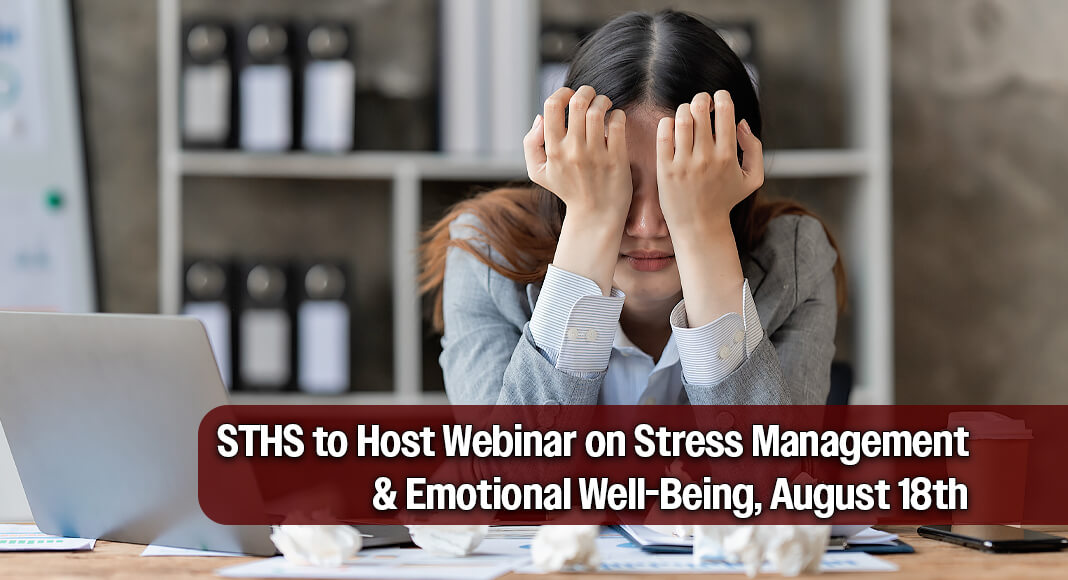
To help Rio Grande Valley residents better manage stress and improve their overall well-being, STHS will dedicate the latest installment of its Let’s Talk Your Health webinar series to stress management and emotional wellness.
Broadcast live via STHS’ Facebook page on Tuesday, August 18, 2026, from 5:30 to 6:30 p.m., the free virtual seminar will provide participants with practical tools and evidence-based strategies to cope with stress, build resilience and maintain a healthier, more balanced approach to everyday life.
For more information on the webinar, visit the STHS Facebook Events page. If you’d like to view previous Let’s Talk Your Health seminars, visit STHSLetsTalk.com.
| Who: | South Texas Health System |
| What: | FREE virtual seminar entitled “Let’s Talk Your Health – Stress” |
| When: | Tuesday, August 18, 2026, from 5:30 – 6:30 p.m. |
| Where: | Online via STHS’ Facebook page |