







Mega Doctor News

by Alicia Gambino Rutgers University-New Brunswick
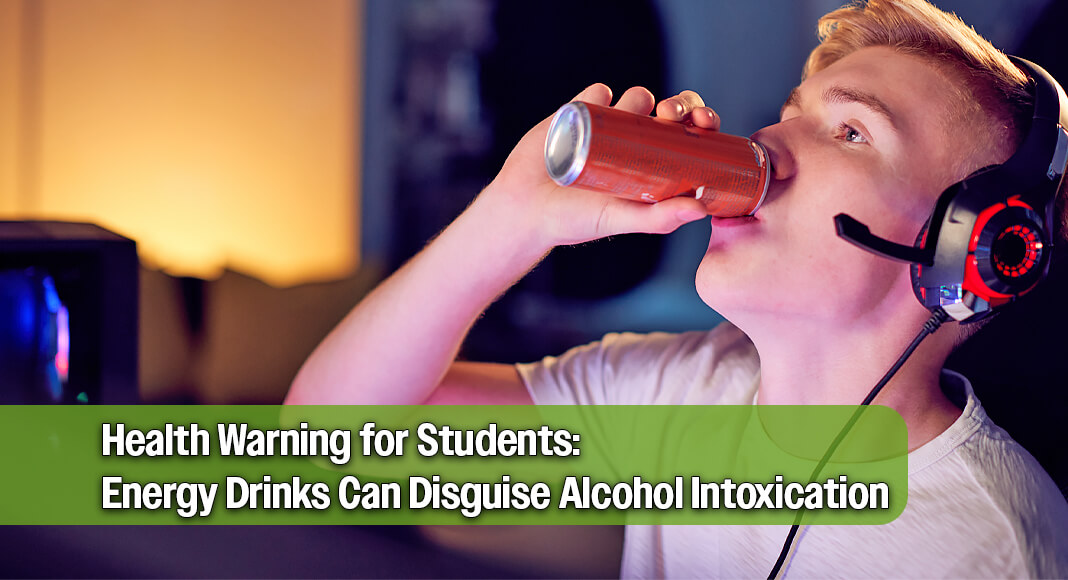
Newswise – As students prepare for the start of the fall semester, experts with the New Jersey Poison Control Center are warning about the dangers of mixing energy drinks with alcohol.
Common at parties, tailgates and other social gatherings, this combination can increase the risk of alcohol poisoning, injury and impaired judgment.

Caffeine in energy drinks acts as a stimulant, while alcohol is a depressant. Together, they can affect how people perceive the effects of alcohol. Students may feel “less drunk” than they actually are, leading them to drink more alcohol than they otherwise would. As a result, alcohol-related harms become more likely.
“As students prepare for a new school year, it’s important to understand that energy drinks don’t make alcohol safer,” said Diane Calello, executive and medical director of the New Jersey Poison Control Center at Rutgers New Jersey Medical School. “While caffeine may make someone feel more awake, it can hide the warning signs of intoxication and create a false sense of sobriety. Students may think they’re less impaired than they really are.”
Calello added that a false sense of confidence “can lead people to drink more alcohol or underestimate their level of impairment. The result can be alcohol poisoning, injuries, and other serious alcohol-related harms.”’
Risks of mixing alcohol and energy drinks include:
- Greater risk of alcohol poisoning and overdose.
- Increased likelihood of accidents, impaired driving and other alcohol-related harms.
- Dangerous heart effects, including irregular heartbeat and high blood pressure.
- Sleep disruption and severe dehydration.
Advice for students:
- Never mix alcohol with energy drinks.
- Keep an eye out for friends who may be over-intoxicated and call for help immediately.
- If you have questions or concerns about alcohol, energy products, or another potential exposure, New Jersey Poison Control experts are available 24/7 for free, confidential medical advice.
If someone becomes sick or develops unexpected symptoms after drinking alcohol, mixing substances or using energy products, don’t wait. Call the New Jersey Poison Control Center, where specially trained medical professionals are available 24/7 for medication errors, accidental ingestions, food poisoning, chemical exposures, carbon monoxide concerns and other poison-related questions and emergencies.
Children, teenagers and adults can get help by calling the Poison Helpline at 1-800-222-1222 or chatting online.
For life-threatening emergencies – such as trouble breathing, difficulty waking or seizures – call 911.


