







Mega Doctor News

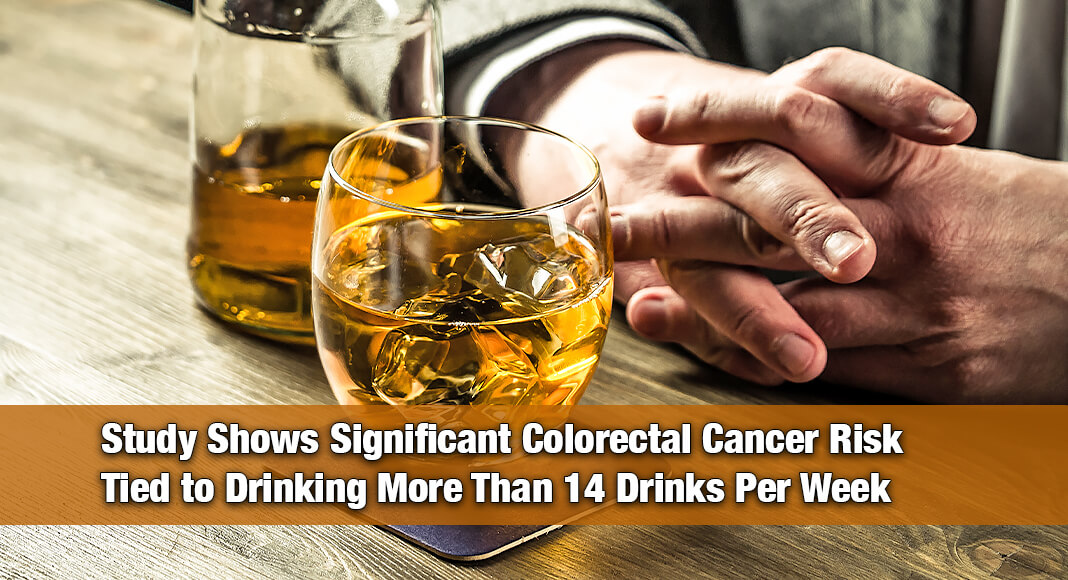
CLEVELAND CLINIC – Research continues to show the negative impact alcohol can have on the body. One recent study found that heavy alcohol use, which is considered more than 14 drinks per week, can increase a person’s risk for colorectal cancer.
“We’ve known for a long time that alcohol is a carcinogen, plain and simple. But to see that it was this strongly linked to colorectal cancer, was really noteworthy,” said Suneel Kamath, MD, oncologist at Cleveland Clinic. “To see a 91% increase in the risk of colorectal cancer for those who are heavy drinkers compared to low-level drinkers certainly is a big deal and something we need to talk about.”
Dr. Kamath did not take part in this study but said from what they know, alcohol has been shown to damage DNA in cells and alter the gut microbiome, which could be why it increases a person’s risk for colorectal cancer.

He said at this point, there really is no safe amount of alcohol to consume, it’s better to stop altogether.
But it’s not just alcohol that increases a person’s risk for colorectal cancer, there are other factors too.
“Alcohol, as far as a risk factor for colorectal cancer, is definitely way up there. I would say maybe red meat consumption, processed meats might be slightly higher in terms of risk. So that’s another thing to work on cutting out. It also seems sugar-sweetened beverages, like juices and sodas, are items to try to eliminate,” said Dr. Kamath.
With March being Colorectal Cancer Awareness Month, Dr. Kamath reminds the public to get their colonoscopies when eligible.
The recommended screening age is currently 45.


