







Mega Doctor News

Mental health challenges can affect nearly every aspect of a person’s life, from relationships and careers to the ability to manage everyday responsibilities.
Nearly 1 in 5 U.S. adults experiences a mental illness each year, according to the National Institute of Mental Health, underscoring the importance of connecting individuals with the level of care that best meets their needs.
While traditional counseling can be beneficial for many people, some may need more frequent support to effectively manage their symptoms. That doesn’t necessarily mean they require inpatient hospitalization.

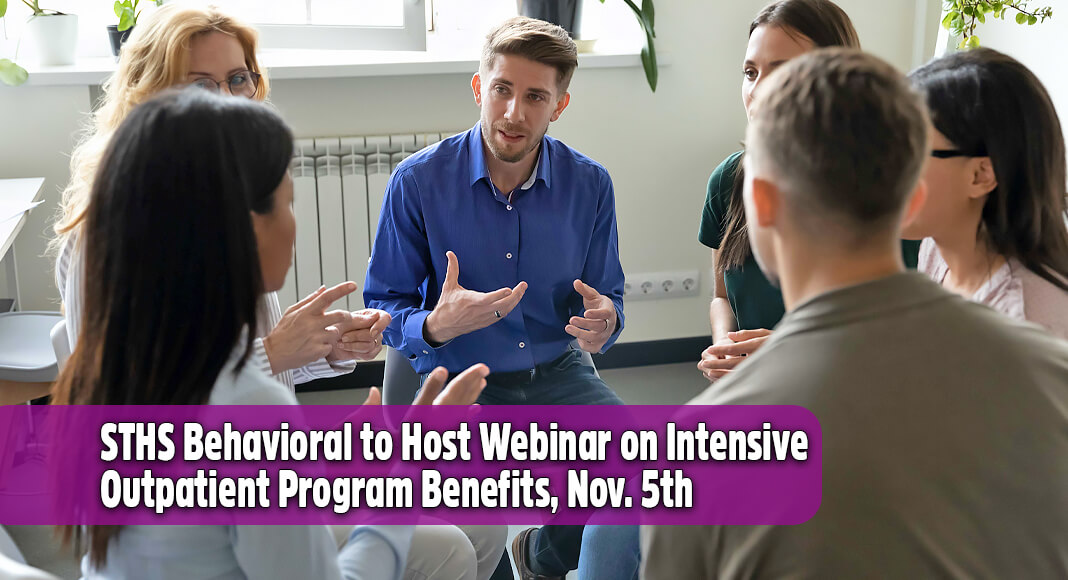
Intensive Outpatient Programs, or IOPs, can help bridge that gap by providing a more structured level of mental health support through scheduled therapy and other treatment services, while allowing participants to continue working, attending school and caring for their families.
“Everyone’s mental health journey is different, and the level of care they need can change over time,” says Bob Cooper, LCSW-S, Director of Utilization Review for South Texas Health System (STHS) Behavioral. “For individuals who need more than an occasional therapy session, intensive outpatient treatment can provide additional guidance and structure without completely disrupting their routines.”
Unlike inpatient treatment, which requires individuals to remain at a healthcare facility, IOPs generally involve several treatment sessions each week.
Depending on an individual’s needs, services may include group and individual therapy, medication management, family involvement when appropriate and education focused on managing mental health conditions.
Beyond addressing symptoms, these programs can help participants recognize unhealthy patterns, navigate stressful situations and develop practical coping skills they can use in everyday life.
“An important part of recovery is learning how to handle the challenges that come with everyday life,” says Cooper. “These programs give individuals the opportunity to work through difficult situations, gain a better understanding of their emotions and build the confidence to manage future challenges.”
Despite the availability of treatment options, many people living with mental illness do not receive professional care. In 2022, only about half of U.S. adults with mental illness received treatment, highlighting the importance of raising awareness about the different levels of mental health support available.
To help Rio Grande Valley residents better understand those options, STHS Behavioral will dedicate its upcoming “Let’s Talk Mental Health” webinar to intensive outpatient programs and the role they can play in supporting mental health recovery.
Broadcasting live on the STHS Facebook page from 5:30 to 6:30 p.m. on Thursday, November 5, 2026, the free webinar will cover what participants can expect from an IOP, the types of services available and how to determine whether this level of support may be appropriate.
“Learning about the resources available is an important first step,” says Cooper. “The sooner someone gets the appropriate care, the sooner they can begin working toward a healthier, more stable future.”
For more information about the webinar, visit the STHS Facebook Events page. To view previous “Let’s TalkMental Health” seminars, visit STHSLetsTalk.com.
| Who: | South Texas Health System |
| What: | FREE virtual seminar entitled “Let’s Talk Mental Health – Intensive Outpatient Programs” |
| When: | Thursday, November 5, 2026, from 5:30 – 6:30 p.m. (CST) |
| Where: | Online via STHS’ Facebook page |