
Mega Doctor News
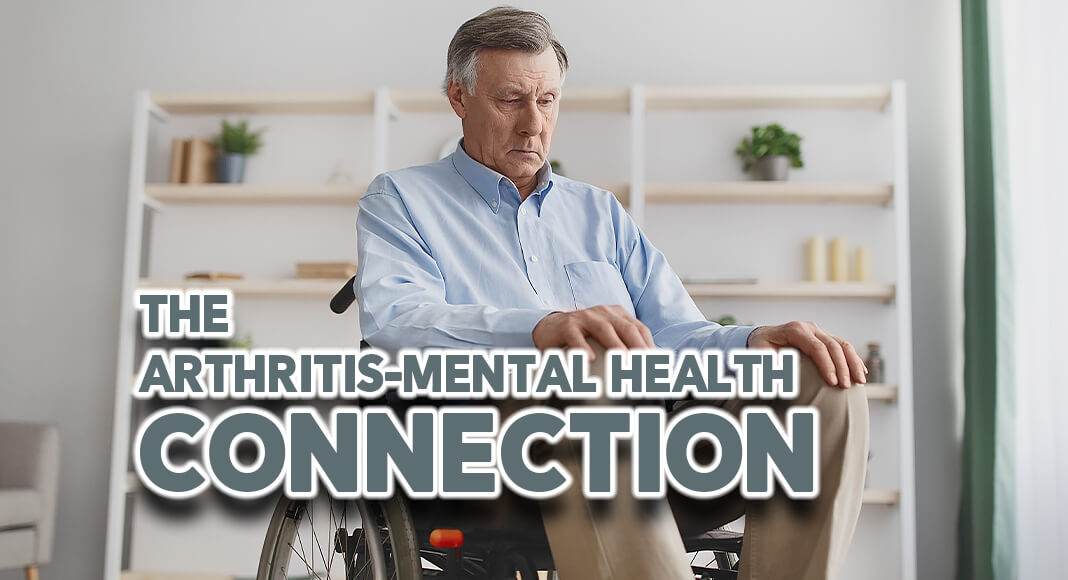
About 1 in 5 US adults with arthritis has symptoms of anxiety or depression. These symptoms are more common in adults with arthritis who are women, younger, identify as LGBT+, have chronic pain or other co-occurring chronic conditions, or are disabled, unemployed, or otherwise unable to work.
Because anxiety is often perceived as normal, people don’t always seek mental health services for it. Left untreated, anxiety can lead to greater problems. In fact, chronic anxiety can increase someone’s risk of developing depression.
Arthritis, anxiety, and depression can each have negative effects on overall health and quality of life. Feelings of sadness or worry can interfere with a person’s ability and motivation to care for themselves properly and manage daily life, let alone manage their arthritis or other health conditions. That’s why it’s important for people who have arthritis to take care of their mental health symptoms as well as their arthritis symptoms.

Symptoms of Anxiety and Depression
Some common symptoms of anxiety are:
- Worry or irritability.
- Restlessness (unable to stay still or stop racing thoughts).
- Trouble focusing.
- Trouble sleeping.
- Muscle tension, rapid heartbeat, shortness of breath, dizziness, or digestive problems without a clear physical cause or that do not ease with treatment.
Some common symptoms of depression are:
- Sadness, emptiness, or hopelessness.
- Feelings of guilt or worthlessness.
- Lack of interest in hobbies and activities.
- Fatigue, or lack of energy.
- Appetite and/or weight changes.
- Thoughts of death or suicide.
- Aches or pains, headaches, cramps, or digestive problems without a clear physical cause or that do not ease with treatment.
It is important to seek treatment when symptoms of anxiety or depression appear. Health care providers can treat or refer patients with arthritis experiencing these symptoms to mental health professionals and community resources. Some of these resources, such as evidence-based self-management education and physical activity programs, may even address mental health and arthritis together. Self-management education workshops teach skills to help people cope with symptoms like pain, reduce stress, and make healthy lifestyle choices. Physical activity can lead to benefits such as reduced arthritis pain, increased mobility, and improved mood.
Guidance for Health Care Providers
Over 58 million US adults have arthritis. About 10 million adults with arthritis report either anxiety or depression symptoms, according to a 2018 CDC analysis. These symptoms were more common among adults aged 18 to 44 than older adults. One in five adults with arthritis had anxiety symptoms, compared to about one in nine adults without arthritis. Depression symptoms were more than twice as common among adults with arthritis as those without arthritis (12.1% vs. 4.7%).
Not only are symptoms of anxiety and depression common among US adults with arthritis, these symptoms have also been associated with reduced response to arthritis treatment and poorer quality of life. Improving mental health can even reduce pain, independent of other pain management strategies. Health care providers can empower patients to improve their mental health and manage their arthritis in two ways:
- Ask your arthritis patients about depression and anxiety. The US Preventive Services Task Force recommends depression screening for all adults. The Substance Abuse and Mental Health Services Administration encourages universal screening for both anxiety and depression.
- Offer treatment and/or referrals to services. When treating mental health conditions in your arthritis patients, encourage strategies that address both physical and mental health. Refer patients to self-management education workshops, where they can learn proven ways to manage symptoms, reduce stress, and take medicines the right way. Also encourage patients to be physically active, on their own or by taking part in a structured, arthritis-appropriate physical activity program. Research shows that self-management education and physical activity can help improve mood, increase energy, and/or reduce symptoms of anxiety, depression, and arthritis.