




Sun Safety 101: Best Types of Sunscreen

Translate to Spanish or other 102 languages!

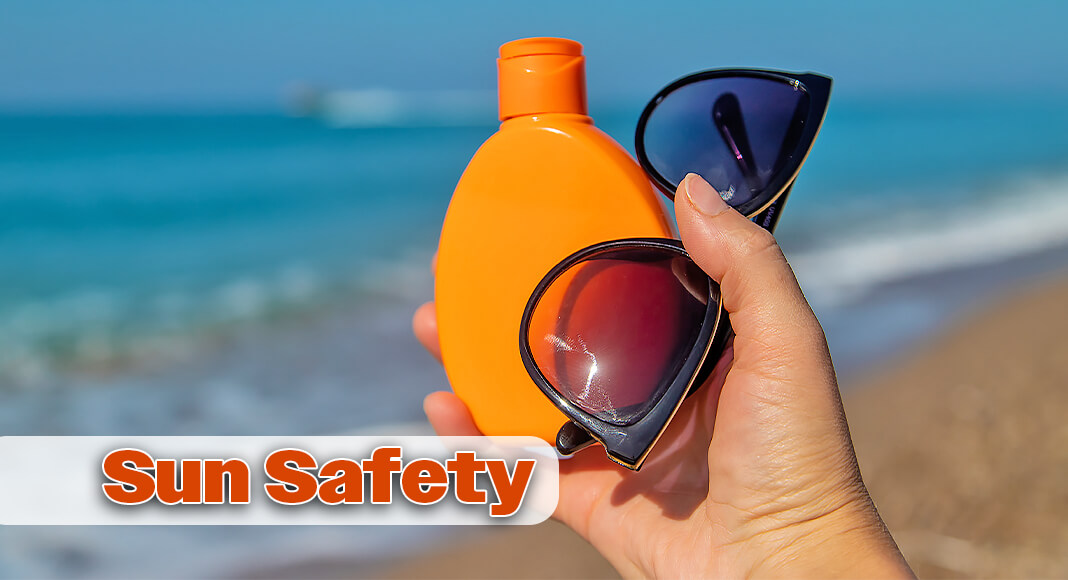
“At the end of the day, any sunscreen is better than none. But if you want to do the best job of protecting your skin, it would be picking a high SPF with your mineral sunscreens in it, which are going to be your zinc oxide, titanium dioxide,” said Shilpi Khetarpal, MD, dermatologist at Cleveland Clinic. Image for illustration purposes
- Advertisement -

CLEVELAND CLINIC – This Friday is Don’t Fry Day, which is held every year to help raise awareness about the importance of sun safety and using products like sunscreen. 

But with so many different kinds available, how do you know which one is best? 

“At the end of the day, any sunscreen is better than none. But if you want to do the best job of protecting your skin, it would be picking a high SPF with your mineral sunscreens in it, which are going to be your zinc oxide, titanium dioxide,” said Shilpi Khetarpal, MD, dermatologist at Cleveland Clinic. “It’s also important to look at the label for SPF 30 or higher. Once you’re at 30, you’re protecting yourself from at least 97% of the UV rays. And then look for broad spectrum, which means UVA, UVB.”

- Advertisement -

Dr. Khetarpal said you can use sunscreen in the form of a lotion, stick or spray. 

It doesn’t have to be an expensive brand either, what matters more is that you’re applying it properly. 

Often times people aren’t putting enough on in the first place.

Dr. Khetarpal said you need about a shot glass worth of sunscreen to cover your entire body, head and ears included. 

- Advertisement -

After that, it should be reapplied every two hours. 

If you’re planning to use water resistant sunscreen, she recommends putting it on at least a half hour before going in the water. 

Otherwise, it’ll just wash right off. 

“For people who don’t want to wear sunscreen, or they don’t like the way it feels, you could look for great clothing options that have UPF in them. So, it’s a special fabric that actually protects from the sun. They make UPF bathing suits, tops, and hats. Believe it or not, a cotton shirt is just an SPF of four,” said Dr. Khetarpal.

She also reminds people to check the expiration date on their sunscreen if they haven’t used it since last summer.

Once it expires, it’s no longer effective.

- Advertisement -
- Advertisement -

- Advertisement -

More Articles

How to Manage Back Pain on Your Next Vacation

As the travel season hits its peak, millions are preparing to spend hours on planes, trains, and in cars. That can dampen the excitement for the 1 in nearly 12 people worldwide who live with chronic low back pain.  But with proper planning, it is possible to travel without aggravating back conditions and enjoy a well-deserved break, say Hackensack Meridian Health orthopedic specialists.

Redefining the 50-Degree Scoliosis Rule

Is surgery the right choice for a 14-year-old with a 50-degree curve who is nearing skeletal maturity? Should a 10-year-old with a 19-degree curve start bracing—or just be watched?

Why Sunglasses Dominate Summer Safety

While a cool pair of shades is often a summer staple, they also provide important protection from the sun.

4th of July Fireworks Safety Guide for Parents

As families gear up for backyard barbecues, fireworks displays and other Fourth of July celebrations, safety should be part of the preparation.
- Advertisement -