Mega Doctor News
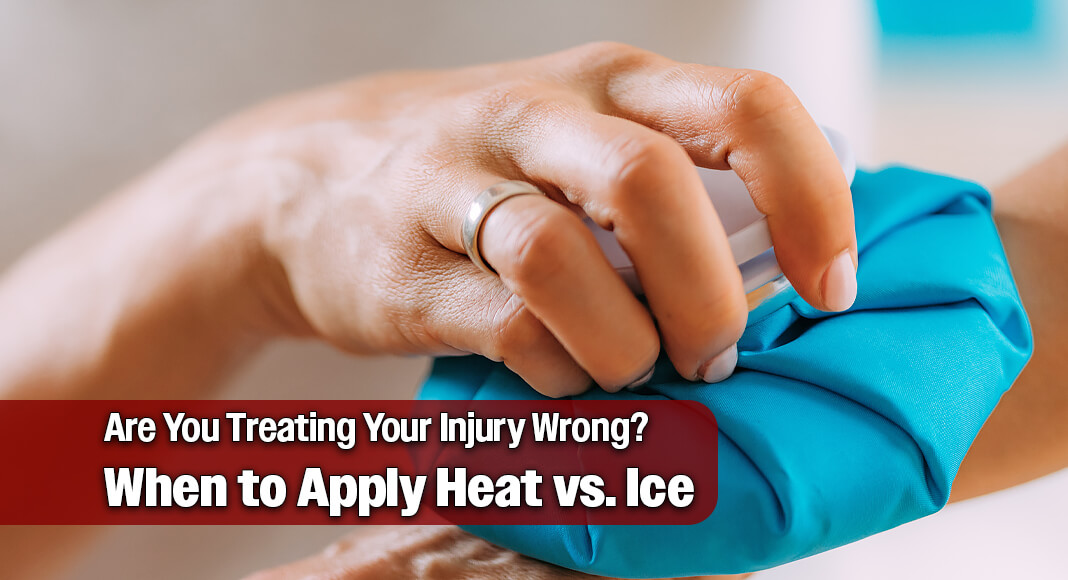
CLEVELAND CLINIC – When it comes to strains, sprains, bumps and bruises, do you know when to use heat or ice?
They can be easy to mix up, however, there are some helpful tips to keep in mind.
“The traditional advice has been to use ice for 10 to 20 minutes at a time, every one to two hours and to cycle that through for the first 24 to 48 hours,” said John Hanicak, MD, family medicine physician at Cleveland Clinic.

Dr. Hanicak said after the first 48 hours, it’s okay to apply some heat to the injury.
The recommendations are the same: use heat for ten to twenty minutes at a time every one to two hours.
He said you can overdo it with both heat and ice, so it’s important to be careful.
For example, if you leave ice on an injury for too long, it can cause tissue damage.
“If you decide to use a heating pad, make sure that there is no type of topical analgesic or topical pain-relieving cream underneath that. There should be really nothing between the heating pad and your skin in the form of a cream. It’s very common that people with topical analgesics who place a heating pad on top of that will force that cream further into the skin, resulting in a serious tissue injury or burn. So, we see that a lot and it’s something to pay attention to,” he noted.
Dr. Hanicak said if your injury doesn’t seem to be improving with time, it’s best to consult with your physician.
If you hit your head and are experiencing any kind of dizziness, vomiting, headaches or confusion, you should seek help right away.