Mega Doctor News
Rising rates of obesity, hypertension and diabetes in the United States have resulted in an increasing prevalence of heart disease across the nation, especially among young adults.
Heart attacks are becoming more common in adults under 40, according to the Centers for Disease Control and Prevention, with a 30% increase in related hospitalizations for those under 45 over the past decade.
“Referred to as a ‘silent killer,’ heart disease often develops, progresses and causes significant damage—event death—without causing obvious symptoms,” says Federico E. Azpurua, MD, FACC, a board-certified interventional cardiologist with South Texas Health System (STHS) Clinics. “Underlying health conditions like high blood pressure, high cholesterol and atherosclerosis can exist for years, often leading to a fatal heart attack or stroke as the first, unexpected sign.”

Subtle symptoms like fatigue, slight dizziness or jaw pain are often mistaken for stress or other conditions, while serious issues like plaque buildup in the arteries develop slowly, often causing no symptoms until a vessel is almost completely blocked.
“Known as atherosclerosis, this buildup of cholesterol, fat and calcium can cause blood clots, rupture or completely block oxygen-rich blood from reaching vital organs,” says Dr. Azpurua. “Tracking plaque buildup in the arteries is essential for the early detection of the condition, allowing for immediate lifestyle changes or medical intervention to prevent heart attacks, strokes and cardiovascular death.”
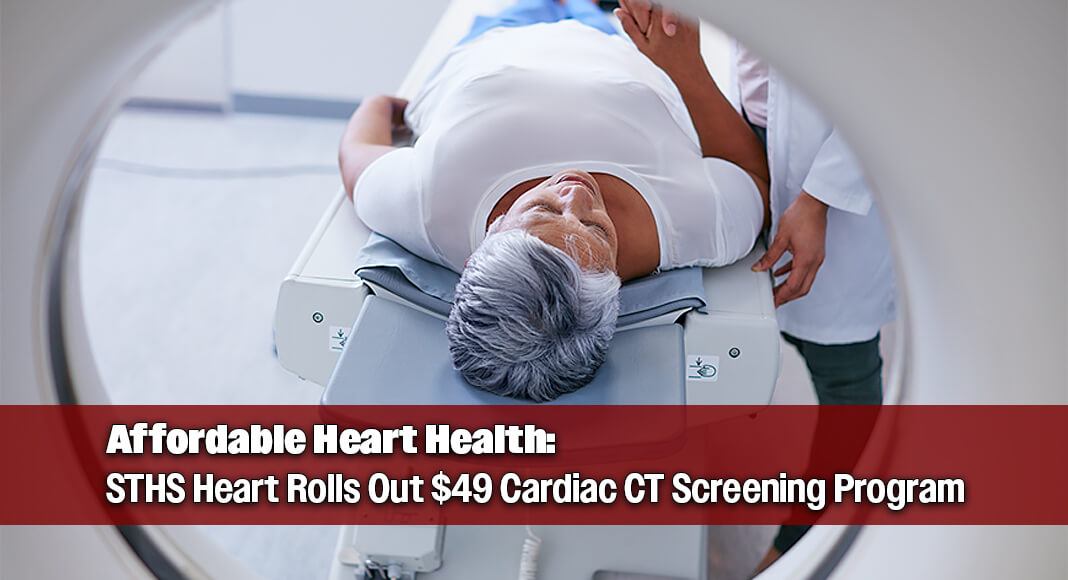
Using tools like cardiac CT screening, or coronary calcium scan, healthcare professionals can measure the exact amount of calcified plaque in an individual’s arteries, providing a precise assessment of future risk of a cardiovascular event and identifying silent, dangerous blockages before symptoms appear.
“The amount of calcification—expressed as the calcium score—may help to predict the likelihood of a heart attack in the coming years and helps your doctor or cardiologist decide whether the patient may need to take preventive medicine or undertake other measures like diet and exercise to lower the risk for heart attack,” says Dr. Azpurua.
To promote the importance of knowing your calcium score, especially if you’re between the ages of 45 to 75, STHS Heart is launching its Heart Saver initiative during American Heart Month. Throughout the month of February, the facility will be offering a reduced cash price for its cardiac CT screening.
Through February 28, 2026, the fast and non-invasive cardiac CT screening and risk assessment will be offered for the low cash price of $49 at STHS Heart.
In addition to providing your calcium score, the full screening will include a lipid panel, glucose and A1C, as well as family history, lifestyle and other risk assessment data. No doctor’s referral is needed for those between the ages of 40-75, fasting is required.
“Often taking less than 15 minutes, a cardiac CT screening can offer peace of mind by providing a quick and accurate assessment of heart health, often detecting silent plaque buildup before symptoms appear,” says Tom Castañeda, System Director of Marketing & Public Relations, STHS. “It also provides the necessary information to act if any risks are found, potentially saving lives. It’s all about understanding your risk and by taking proactive, preventative measures to protect your heart.”
For more information on STHS Heart’s Heart Saver initiative and to register for a cardiac CT screening, visit the facility’s website at www.sthsheart.com. Walk-in appointments are accepted, but pre-registration is highly encouraged. To make an appointment, you can call the pre-registration line at (956) 388-2190.