








Simple Habits That Make Falling Asleep Easier

Translate to Spanish or other 102 languages!

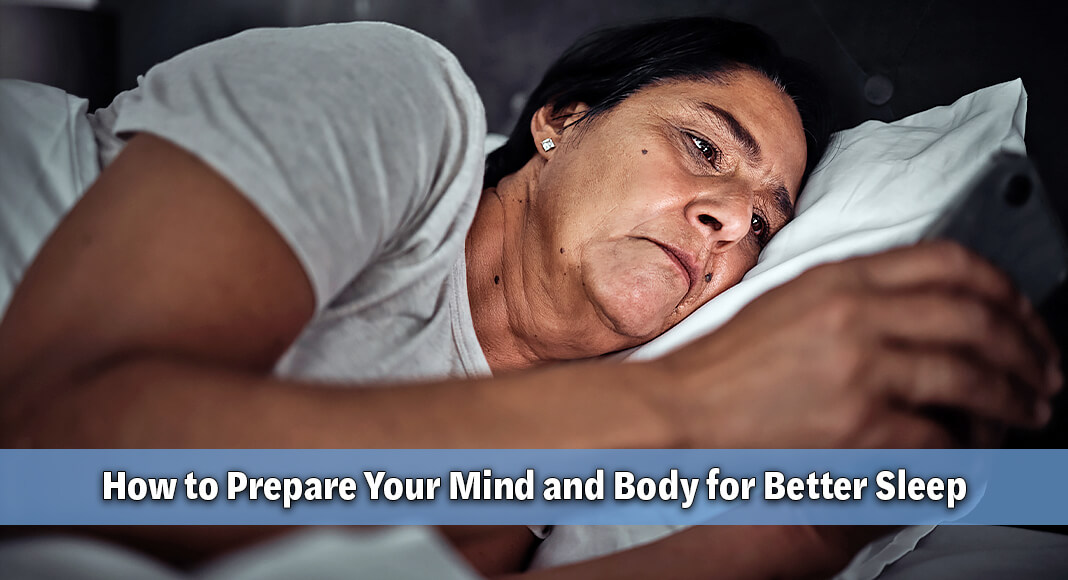
Struggling to fall asleep at night once your head hits the pillow? Your evening routine may be to blame. Image for illustration purposes
- Advertisement -

CLEVELAND CLINIC – Struggling to fall asleep at night once your head hits the pillow? Your evening routine may be to blame.

“A big problem with preparing yourself for bed and sleepiness is that people go, go, go, go, go and then expect sleep and wake to be like a light switch. But there has to be a gradual rest period before bedtime so that you get in the mindset and the physical space for sleep to come and visit you,” explained Alicia Roth, PhD, a sleep psychologist for Cleveland Clinic.

To fall asleep more easily, Dr. Roth recommends creating a relaxing bedtime routine.

- Advertisement -

Whether it’s reading a book or taking a warm bath, she said enjoying some stress-free activities about an hour before bed can make a big difference.

Along with keeping your stress in check, you want to avoid caffeine, heavy meals and alcohol before you hit the hay.

You also don’t want to make naps a habit, since most of your sleep should happen at night.

Above all, Dr. Roth said taking note of how sleepy you feel before getting into bed is key.

- Advertisement -

“You should only be getting into bed when you already feel sleepy and feel confident about sleep. If you try to get into bed to get sleepy, you will likely struggle and have difficulty falling asleep,” Dr. Roth said. 

If you don’t doze off in about 30 minutes, Dr. Roth recommends getting out of bed and doing something relaxing until you feel sleepy.

And if falling asleep is a regular struggle, she said it may be time to talk with a doctor to see if you have an underlying sleep disorder.


- Advertisement -
- Advertisement -

- Advertisement -

More Articles

STHS’ Freestanding ERs Earn National Recognition for High-Quality Resuscitation Care

Sudden cardiac arrest is a life-threatening medical emergency that occurs when the heart unexpectedly stops beating, abruptly cutting off blood flow to the brain and other vital organs. It can strike anyone, at any age, often without warning.

New Lancet Commission Outlines Roadmap to Close the Gender Gap in Blood Disorders

A new report in The Lancet Haematology, led by Cleveland Clinic hematologist Bethany Samuelson Bannow, M.D., outlines practical strategies to improve diagnosis, care and outcomes globally for women and girls with hematological conditions, such as bleeding disorders, heavy menstrual bleeding, postpartum hemorrhage, thrombosis and maternal hematologic complications.

DHR Health Neuroscience Institute Nationally Recognized for Commitment to Excellence in Stroke Care

DHR Health Neuroscience Institute received the American Heart Association’s Get With The Guidelines® - Stroke Gold Plus quality achievement award for its commitment to ensuring people experiencing a stroke receive timely, appropriate treatment based on nationally recognized, research-based guidelines, ultimately helping to save lives and reduce disability.

Accelerator Returns October 15, Expanding Its Focus on Al, Healthcare Access and Community Impact

AltaCair Foundation, in partnership with Genentech as the 2026 co-host, will host its fourth annual Accelerator summit on Thursday, October 15, 2026, from 8:00 a.m. to 12:00 p.m. at the Harlingen Convention Center.
- Advertisement -
