








Mega Doctor News
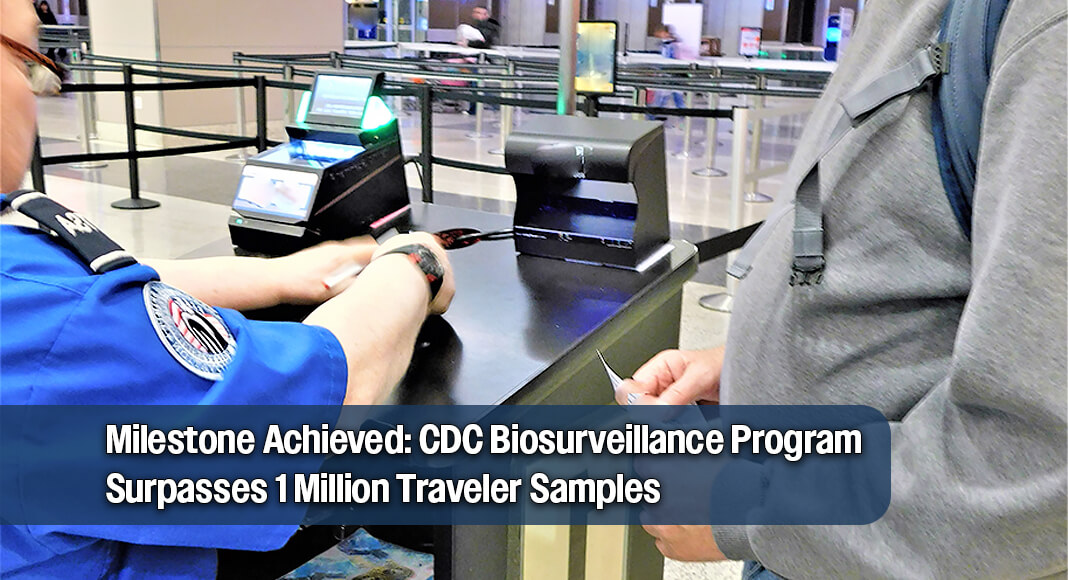
The Centers for Disease Control and Prevention (CDC) today announced that its Traveler-Based Genomic Surveillance (TGS) program has surpassed one million voluntary participants, marking a significant milestone in the United States’ ability to detect and respond to emerging public health threats at our borders.
TGS is one of many tools the United States uses to strengthen disease surveillance and protect the American people. Through voluntary and anonymous sample collection from arriving international travelers at select U.S. airports, the program provides early insight into emerging pathogens and variants before they spread broadly within the United States.
“The United States is the world’s leading authority in public health,” said HHS Deputy Secretary and Acting CDC Director Jim O’Neill. “The broad participation of travelers enhances our ability to safeguard the nation using tools that are developed, operated, and governed here at home without reliance on unaccountable global bureaucracies.”

The TGS program operates through public-private partnerships with organizations including Ginkgo Biosecurity and XWell, as well as cooperation from select U.S. airports. These partnerships enable CDC to generate rapid biosurveillance data when testing and sequencing information may be limited elsewhere in the world.
Launched in 2021, TGS monitors for communicable diseases among arriving international travelers, with a focus on early detection of emerging variants of seasonal respiratory viruses and other pathogens of public health concern. For example, the program reported the first two detections of influenza H3N2 subclade K to public repositories seven days before the next publicly reported sequence—demonstrating the value of early, U.S.-based surveillance.
Participation in the program is voluntary and anonymous. In addition to nasal samples from travelers, CDC has analyzed more than 2,600 airplane wastewater samples as part of its broader biosurveillance efforts.
As President Trump has made clear, the United States will remain the global leader in public health by strengthening domestic capabilities, advancing health innovation, and ensuring rapid response to infectious disease threats. Programs like TGS reflect that commitment by enhancing national biosecurity.
Additional information about current TGS data can be found here.


