




Mega Doctor News

While overdose deaths have declined in recent years, drug overdoses remain a significant public health concern and continue to be a leading cause of death in the United States.
Nearly 70,000 overdose deaths were reported nationwide in 2025, according to the Centers for Disease Control and Prevention (CDC). Synthetic opioids like fentanyl, along with methamphetamine and cocaine, continue to be among the substances most commonly involved in fatal overdoses.
While not all overdoses result in death, survivors can face severe physical, emotional and psychological effects.


“An overdose can change the course of a person’s life in an instant,” said Bob Cooper, LCSW-S, Director of Utilization Review, South Texas Health System (STHS) Behavioral. “Even when it is not fatal, the impact can be profound, leading to long-term health complications that affect individuals, families and entire communities.”
Survivors may experience lasting health complications, including brain injury caused by oxygen deprivation during the overdose event.
They also face a significantly increased risk of experiencing another overdose or dying in the weeks following hospital discharge, highlighting the critical need for ongoing addiction treatment, mental health care and recovery support services.
“Beyond the physical effects, overdoses can have profound emotional consequences for family members, friends and caregivers, impacting entire support networks and communities,” says Cooper. “These realities underscore the importance of prevention, early intervention and access to comprehensive behavioral health care.”
Overdose prevention is closely tied to mental health, as substance use is often associated with underlying emotional, psychological and behavioral health conditions. Addressing these factors through education, treatment and support can help reduce the risk of overdose and improve overall well-being.
“When people understand the warning signs of substance misuse, know how to respond in an emergency and feel empowered to seek help without stigma, lives can be saved,” says Cooper. “By connecting individuals and families to the resources they need, we can help build healthier, stronger communities.”
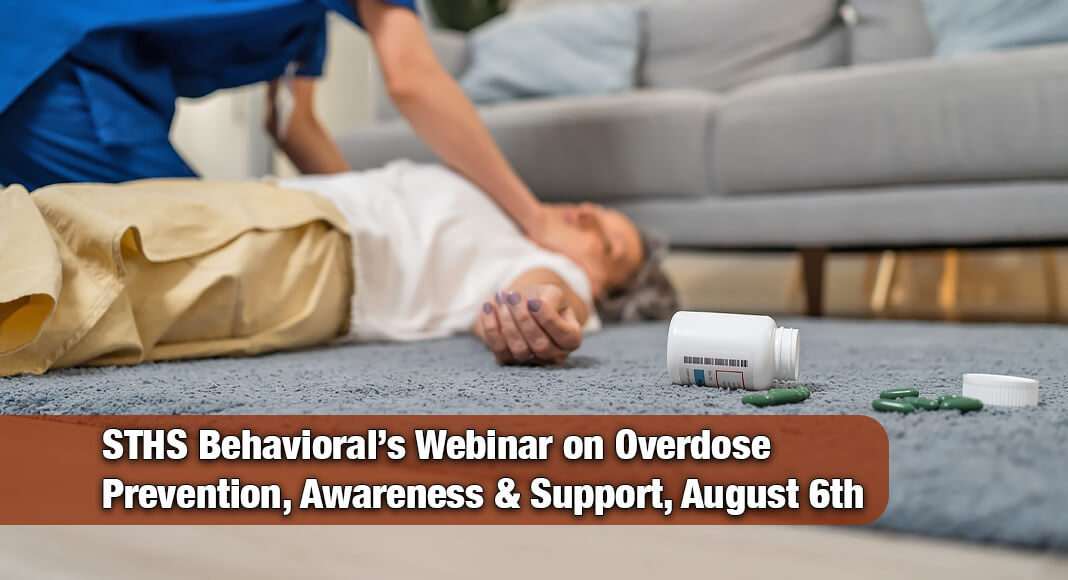
To help educate Rio Grande Valley residents about overdose prevention and available support services, STHS Behavioral will dedicate the latest installment of its Let’s Talk Mental Health webinar series to this important topic.
Broadcast live on the STHS Facebook page, from 5:30 to 6:30 p.m. on Thursday, August 6, 2026, the webinar will provide valuable information, practical prevention strategies and community resources aimed at reducing overdose-related emergencies and supporting recovery.
For more information on the webinar, visit the STHS Facebook Events page. If you’d like to view previous Let’s Talk Your Health seminars, visit STHSLetsTalk.com.
| Who: | South Texas Health System |
| What: | FREE virtual seminar entitled “Let’s Talk Mental Health – Overdose Prevention” |
| When: | Thursday, August 6, 2026, from 5:30 – 6:30 p.m. |
| Where: | Online via STHS’ Facebook page |