








Organ Donation Can Save More Lives Than You Realize

Translate to Spanish or other 102 languages!

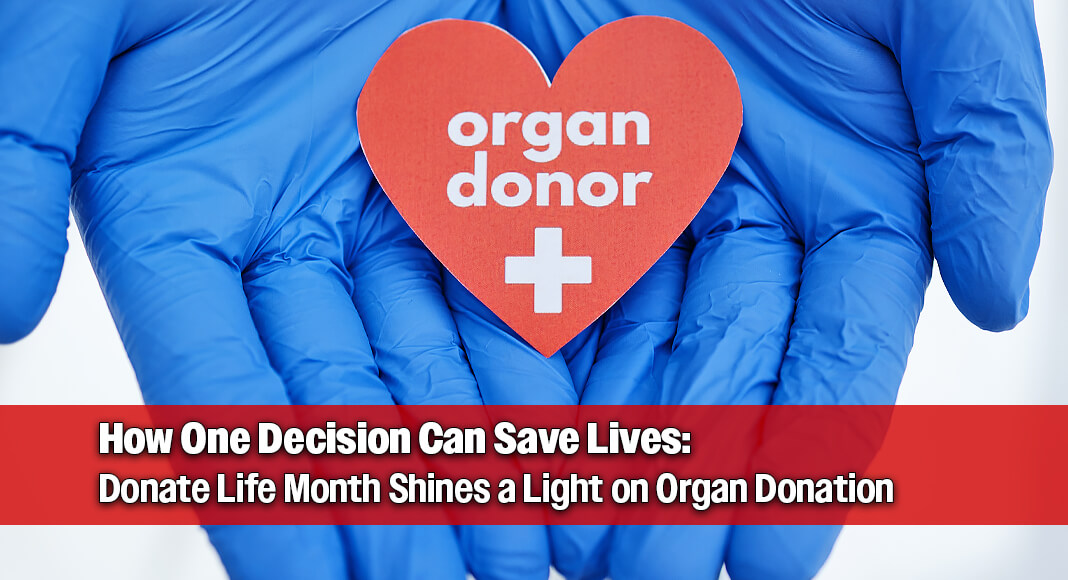
With more than 100,000 people on the national transplant waiting list, becoming an organ donor can save more lives than you think. Image for illustration purposes
- Advertisement -

CLEVELAND CLINIC – April marks Donate Life Month.

With more than 100,000 people on the national transplant waiting list, becoming an organ donor can save more lives than you think.

“By becoming an organ donor, you can save eight lives. It’s something you can so easily do by registering to be an organ donor and by letting your family and loved ones know your wishes that you want to donate in the event you could be an organ donor. An average of 13 to 17 people die each day while waiting for an organ transplant,” said Marie Budev, DO, a pulmonologist with Cleveland Clinic.

- Advertisement -

As Dr. Budev explained, one donor can save up to eight lives and improve the lives of over 75 more through tissue donation.

It’s also important to keep in mind that nearly anyone can be an organ donor because there’s no strict age limit to become one.

Dr. Budev said that even those with certain health conditions may still be eligible, so never count yourself out if you’re interested.

There are many ways to become an organ donor, including when you renew your driver’s license or by registering online.

- Advertisement -

Dr. Budev added that many people don’t realize there are multiple types of organ donors.

“Organs can come from deceased donors or from living donors, including both related and unrelated donors. Living donation is especially common in kidney and liver transplants,” Dr. Budev said.

If you’re interested in becoming a living organ donor, Dr. Budev said it’s best to talk to your provider about the process and what testing may be needed.


- Advertisement -
- Advertisement -

- Advertisement -

More Articles

DHR Health Transplant Institute Earns Top State and National Rankings

The DHR Health Transplant Institute announced today that it has been recognized among the state’s and nation’s top performing kidney transplant centers, earning the no. 2 ranking in the State and no. 16 ranking in the Nation, according to the Scientific Registry of Transplant Recipients (SRTR).  

New Noninvasive Tech Tracks Infant Vital Signs Without Wires

In the neonatal intensive care unit, the most fragile patients in medicine are often the most heavily wired. Premature babies, some weighing less than a pound, can be tethered to a tangle of cables, monitors, and sensors. Each blood draw to check sugar levels or electrolytes means another needle, another bandage, another moment of stress for an infant whose skin is still forming.

STHS McAllen Receives National Award for Advancing Cardiac Arrest Care & Improving Patient Survival

In the moments following cardiac arrest, every second counts. Rapid intervention, seamless teamwork and evidence-based care can make the difference between life and death.

The Truth About Hot Dogs and Your Health

July is National Hot Dog Month. Reports show Americans eat roughly 20 billion hot dogs every year. While they’re okay to have on occasion, they shouldn’t be a regular part of your diet.
- Advertisement -
