







Mega Doctor News

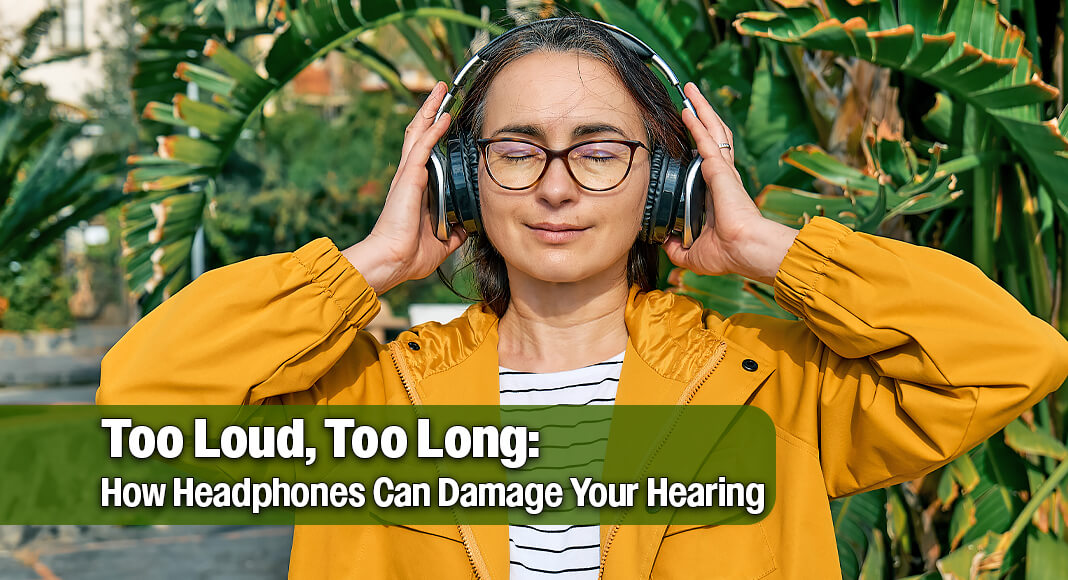
CLEVELAND CLINIC – If you have a habit of wearing headphones all the time or have children that do, it’s important to make sure the volume isn’t too loud.
Reports show hearing loss from headphones is a growing concern.
“When you’re talking about listening through headphones, it’s all about how loud you listen, but also how long. There’s a relationship between the volume of the sound and the length of the exposure. So you can listen through headphones safely, but you definitely have to learn how to do that,” said Valerie Pavlovich Ruff, AuD, audiologist at Cleveland Clinic.


Dr. Pavlovich Ruff said it’s generally recommended that people follow the 60/60 rule, which is when you set the volume on your headphones at 60% for about an hour.
After that, it’s best to take a break for ten or 15 minutes.
But what if you’re listening at a lower volume?
She said that break is still necessary because it’s not healthy to block your ear canals for long periods of time.
“The danger of having something continually blocking your ear, and some of my hearing aid patients actually deal with this because they have to wear their hearing aids all day every day, is that when you block the ear canal, moisture can build up in the ear canal, and it’s a breeding ground for bacteria. You can get ear infections,” she said.
Dr. Pavlovich Ruff said hearing loss from headphones can be permanent or temporary, it just depends on the situation.
She suggests those who may be experiencing any kind of muffled hearing or ringing of the ears to talk with an audiologist.