




Mega Doctor News

By Michigan Medicine – University of Michigan
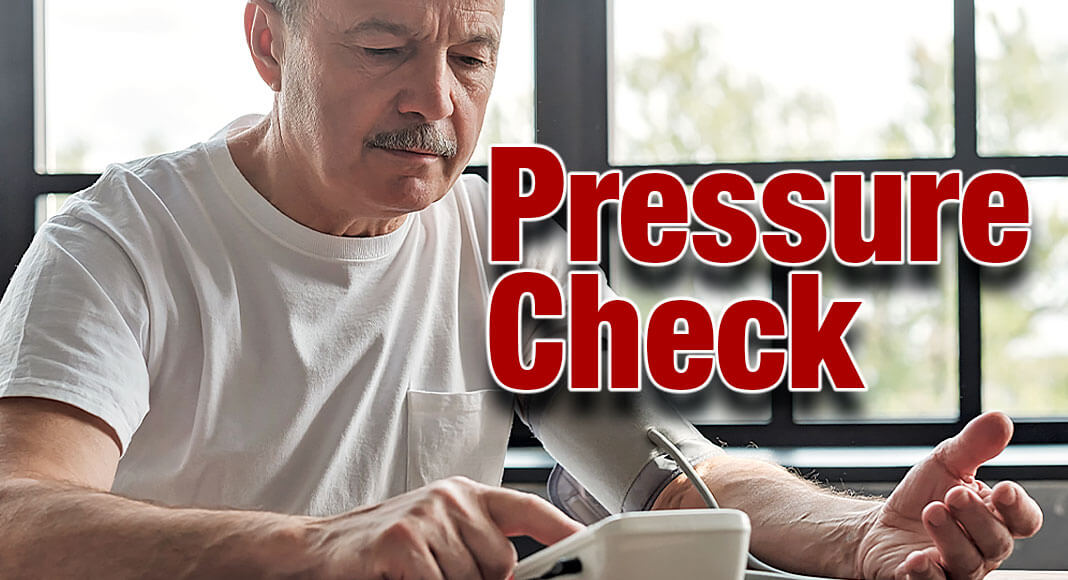
Newswise — Only 48% of people age 50 to 80 who take blood pressure medications or have a health condition that’s affected by hypertension regularly check their blood pressure at home or other places, a new study finds.
A somewhat higher number – but still only 62% — say a health care provider encouraged them to perform such checks. Poll respondents whose providers had recommended they check their blood pressure at home were three and a half times more likely to do so than those who didn’t recall getting such a recommendation.

The findings underscore the importance of exploring the reasons why at-risk patients aren’t checking their blood pressure, and why providers aren’t recommending they check — as well as finding ways to prompt more people with these health conditions to check their blood pressure regularly. This could play an important role in helping patients live longer and maintain heart and brain health, the study’s authors say.
Past research has shown that regular home monitoring can help with blood pressure control, and that better control can mean reduced risk of death; of cardiovascular events including strokes and heart attacks; and of cognitive impairment and dementia.
The findings are published in JAMA Network Open by a team from Michigan Medicine, the University of Michigan’s academic medical center. The data come from the National Poll on Healthy Aging and build on a report issued last year.
The poll, based at the U-M Institute for Healthcare Policy and Innovation and supported by Michigan Medicine and AARP, asked adults aged 50 to 80 about their chronic health conditions, blood pressure monitoring outside of clinic settings, and interactions with health providers about blood pressure. Study authors Mellanie V. Springer, M.D., M.S., of the Michigan Medicine Department of Neurology, and Deborah Levine, M.D., M.P.H., of the Department of Internal Medicine, worked with the NPHA team to develop the poll questions and analyze the findings.
The data in the new paper come from the 1,247 respondents who said they were either taking a medication to control their blood pressure or had a chronic health condition that requires blood pressure control – specifically, a history of stroke, coronary heart disease, congestive heart failure, diabetes, chronic kidney disease or hypertension.
Of them, 55% said they own a blood pressure monitor, though some said they don’t ever use it. Among those who do use it, there was wide variation in how often they checked their pressure – and only about half said they share their readings with a health provider. But those who own a monitor were more than 10 times more likely to check their blood pressure outside of health care settings than those who don’t own one.
The authors note that blood pressure monitoring is associated with lower blood pressure and is cost-effective. They say that the results suggest that protocols should be developed to educate patients about the importance of self blood pressure monitoring and sharing readings with clinicians.