






Mega Doctor News

It’s completely normal to feel afraid or experience intense reactions immediately following a traumatic event. However, if symptoms like flashbacks, severe anxiety or emotional numbness persist, it may be a sign of post-traumatic stress disorder (PTSD).
While PTSD is often associated with combat veterans, it can affect anyone who has experienced or witnessed trauma, including accidents, natural disasters, assault, abuse or the sudden loss of a loved one. Even learning about a traumatic event involving someone close can trigger symptoms.
“PTSD does not discriminate; it can affect anyone, at any stage of life, following exposure to trauma,” says Jamilex Cantu, LPC-A, a licensed therapist at South Texas Health System (STHS) Behavioral. “Whether the experience is sudden or prolonged, the emotional and psychological effects can surface in different ways and at various times. That’s why it’s so important to recognize the signs early, seek support and understand that healing is possible with the right care and guidance. No one should feel they have to navigate that journey alone.”

Approximately 6 out of every 100 Americans will experience PTSD at some point in their lives, according to the National Institute of Mental Health, with about 3.6% to 5% of adults affected each year.
Left untreated, PTSD symptoms can worsen over time, significantly impacting daily functioning, relationships and overall health. It rarely resolves on its own and may lead to complications such as depression, chronic physical conditions and substance use.
“Without appropriate treatment, PTSD can take a profound toll not only on the individual, but also on their relationships, work and overall sense of well-being,” says Cantu. “Persistent symptoms can make it difficult to function day to day, maintain connections with loved ones and fully engage in life. Over time, this can create a cycle that affects both emotional and physical health.”
The profound impact of untreated daily life extends beyond the individual. For their spouses and partners, PTSD can lead to secondary traumatization, caregiver burnout, relationship strain and an increased risk of anxiety or depression. For their children, it can lead to behavioral changes like aggression, clinginess or rebellious behavior, developmental and academic issues and intergenerational trauma.
“Without treatment, the emotional fallout from trauma can negatively shape a child’s worldview,” says Cantu. “It could potentially lead to anxiety or depression as they grow up.”
The good news is that recovery is possible. With evidence-based treatment and support, many individuals experience meaningful symptom improvement or even full remission. While healing takes time, it can help individuals regain control, manage triggers and move forward with confidence.
“With time, effective treatment and a strong support system, individuals can learn to manage their symptoms, rediscover their strength and rebuild a sense of stability and purpose,” says Cantu. “Healing may look different for everyone, but each step forward is a meaningful part of the journey.”
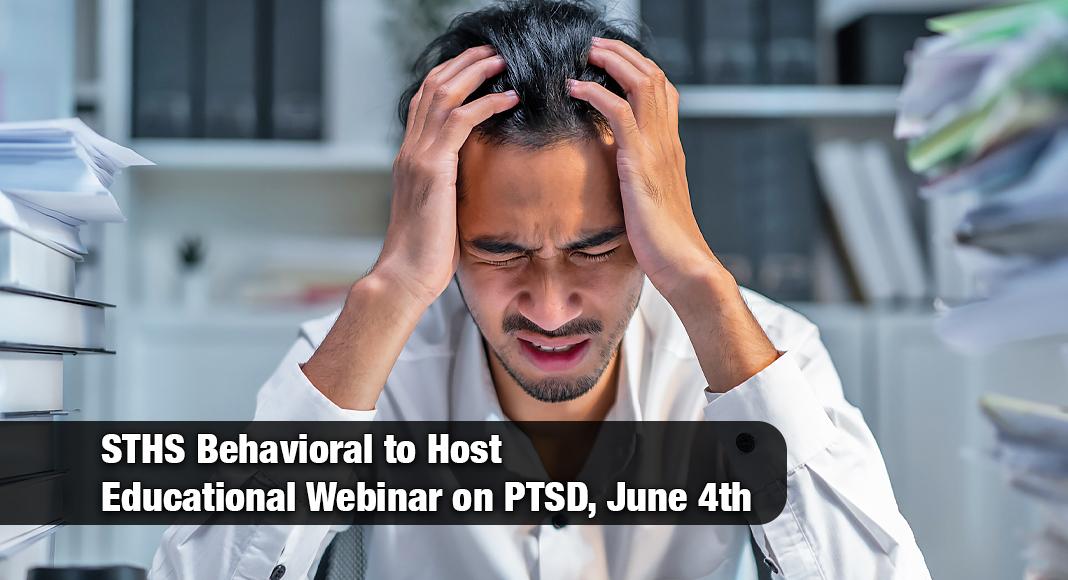
To help increase awareness of PTSD and provide education that empowers individuals on their journey to healing and resilience, STHS Behavioral is dedicating its latest Let’s Talk Mental Health webinar to the psychiatric mental health condition.
Broadcast live via STHS’ Facebook page, from 5:30 – 6:30 p.m., on Thursday, June 4, 2026, the online seminar will explore the signs and symptoms of PTSD, who may be most at risk and how the condition is diagnosed and treated.
A mental health expert will also share practical self-care strategies and daily grounding techniques to support healing and resilience.
For more information on the webinar, visit the STHS Facebook Events page. If you’d like to view previous Let’s Talk Mental Health seminars, visit STHSLetsTalk.com.
| Who: | South Texas Health System Behavioral |
| What: | FREE virtual seminar entitled “Let’s Talk Mental Health – PTSD” |
| When: | Thursday, June 4, 2026, from 5:30 – 6:30 p.m. |
| Where: | Online via STHS’ Facebook page |

