
loader image
Sunday, February 15, 2026
64.6 F
McAllen
- Advertisement -

New Research Helps Explain Why People Move Slower as They Get Older

Translate to Spanish or other 102 languages!

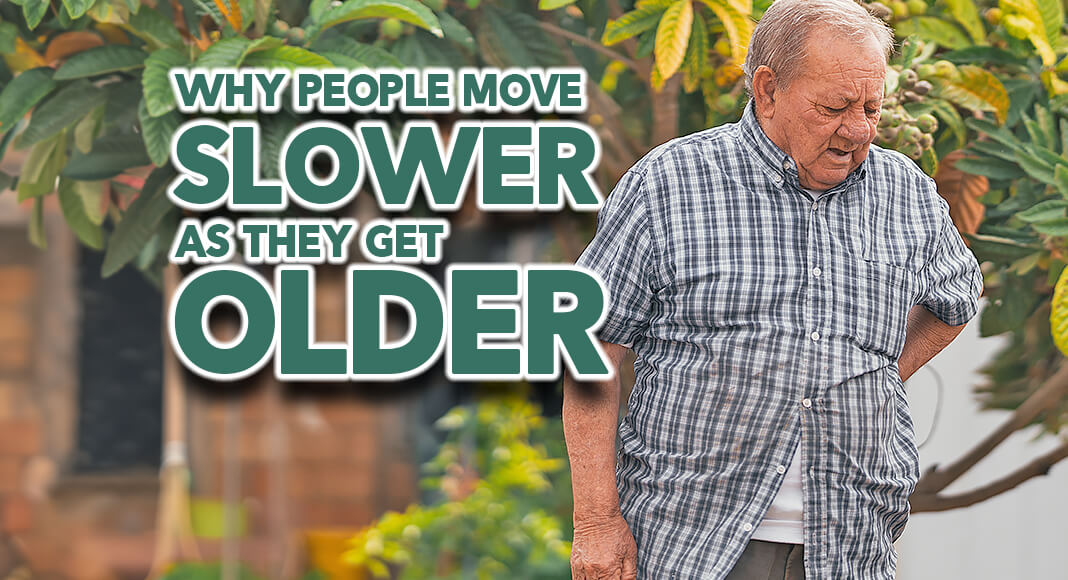
New research suggests that adults may move slower as they get older to help conserve energy. Image for illustration purposes
- Advertisement -
  • As human beings get older, our movements naturally start to slow down. 
  • New research suggests that older adults may move slower partly because it costs them more energy than younger adults.
  • Scientists believe these findings could lead to new diagnostic tools for diseases such as Parkinson’s and multiple sclerosis.

It’s common knowledge that our bodies naturally become slower in their movements as we age.

Follow the link below to Medical News Today for the full story:

https://www.medicalnewstoday.com/articles/why-do-people-move-slower-as-they-get-older-study

- Advertisement -

Information Source: https://www.medicalnewstoday.com

- Advertisement -

- Advertisement -

- Advertisement -

More Articles

Implanted Devices Offer Insight Into How Parkinson’s Patients Move at Home

Mega Doctor News By University of California, San Francisco (UCSF) Newswise — Scientists have traditionally...

Breakthrough TTFields Technology Gets FDA Approval for Pancreatic Cancer Treatment

Mega Doctor News The U.S. Food and Drug Administration has approved a...

El Paso Researchers Advance New Treatments for Cancer and Heart Disease

Ramadevi Subramani Reddy, Ph.D., remembers the neem tree from her childhood in India — a plant her grandmother used to treat everything from fevers to infections.

Researchers Identify Ancestry‑Specific Risk Factors for IBD in Hispanic Populations

Hispanic patients with inflammatory bowel disease (IBD) can experience very different disease patterns depending on whether they have higher African or Amerindian genetic ancestry, according to a large multicenter study led by Cedars-Sinai.
- Advertisement -
×