Mega Doctor News
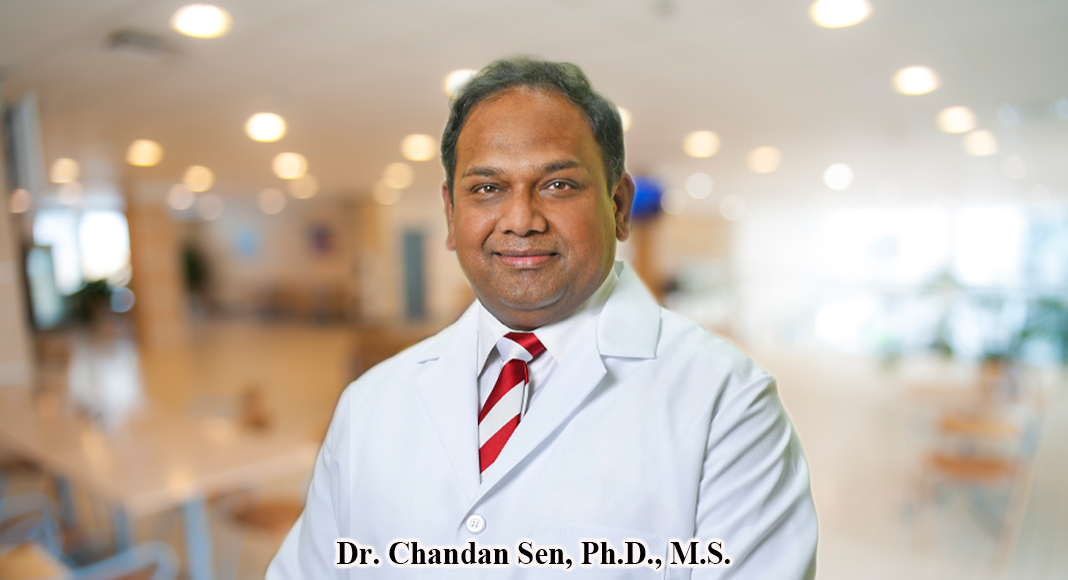
Dr. Chandan Sen, Ph.D., M.S., a distinguished regenerative medicine and innovative wound care technologies expert, has recently joined the University of Pittsburgh School of Medicine and UPMC. His arrival in Pittsburgh is not just a personal career move but a significant enhancement to the region’s medical and research capabilities. Dr. Sen brings a large team and a robust portfolio of ongoing research.
Dr. Sen’s addition to the faculty is expected to significantly accelerate the University of Pittsburgh’s research momentum, particularly in critical areas like tissue repair and regeneration. Anantha Shekhar, M.D., Ph.D., senior vice chancellor for the Pitt Schools of the Health Sciences, highlighted the profound impact of Dr. Sen’s work on the medical and scientific community. This potential is particularly notable, with plans to enhance connections with other foremost biomedical innovators, including nearby Carnegie Mellon University.
Dr. Sen revealed to Mega Doctor News that their innovation, which originated from an idea in 2016, has undergone rigorous testing in small and large animals, yielding promising results. With the unique capability of these chips to reprogram body tissues, bypassing the need for stem cells, Dr. Sen’s team is poised to transition into human trials when approved. His enthusiasm was palpable as he discussed the potential for regulatory approval, possibly later this year in jurisdictions outside the United States, followed by efforts to secure U.S. approval depending on the initial outcomes.

The device, about the size of a cuff link, is small but represents enormous potential. Researchers in the Ohio State University Wexner Medical Center laboratory demonstrate the concept by simply placing this chip on an injured body part and applying a small electrical current. This process, which takes less than a second, is completely noninvasive. Once applied, the chip does not stay with you. Cell reprogramming starts, offering a comfortable and reassuring approach to medical treatment.
This reprogramming turns skin cells into nearly any type of cell doctors might need to treat a patient. For example, in a badly injured leg that lacks blood flow, doctors can touch the chip to the leg and reprogram the skin cells to become functioning blood vessels. In many cases, changes start to be seen in seven days and persist. Within a week, active blood vessels begin to form, and by the second week, the leg is saved.
While not yet tested in humans, this breakthrough technology promises to transform medical treatments. Researchers are eager to test it in real-life applications, fueling hope for potential lifesaving uses.
The technology is not just limited to the skin; it can be used on other tissues within or outside the body. It even worked in the brain in lab tests, helping mice recover from strokes. In humans, this could allow doctors to grow brain cells on a person’s skin under the guidance of their immune system. They could then harvest those cells and inject them into the brain to treat conditions like Alzheimer’s or Parkinson’s disease without the need for immune suppression drugs, all by using a patient’s cells in a brand-new way.
Dr. Sen’s arrival at the University of Pittsburgh and UPMC marks a pioneering moment in regenerative medicine and wound care, promising significant advancements in patient care and medical innovation.