Mega Doctor News
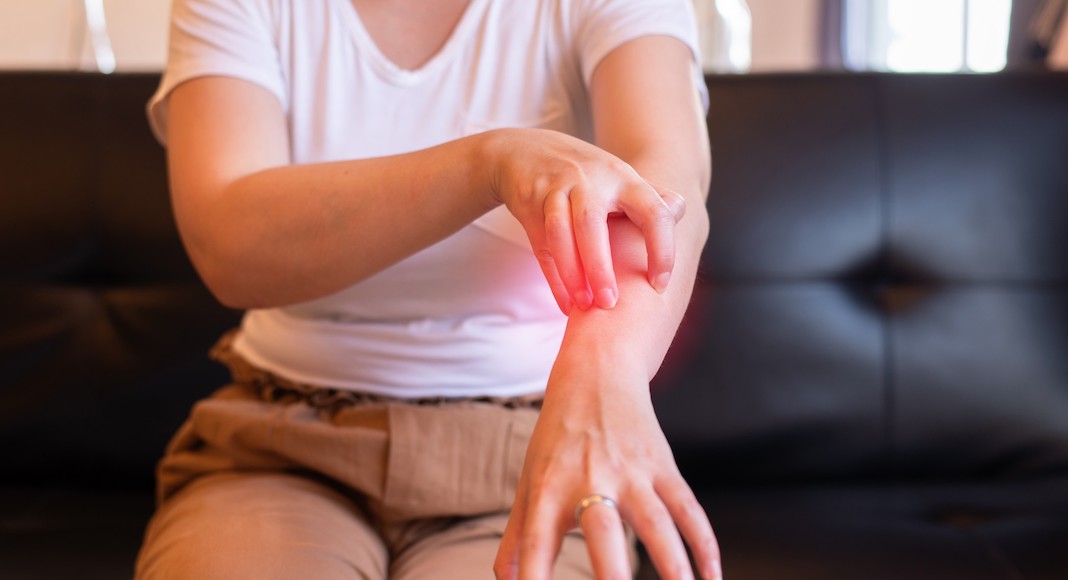
Newswise — ROSEMONT, Ill. — As COVID-19 vaccination ramps up globally, new research published today in the Journal of the American Academy of Dermatology demonstrates the wide variety of skin rashes, including full-body rashes, observed after COVID-19 vaccination. The authors provide reassurance that these reactions are generally mild, resolve on their own, and should not deter the public from getting vaccinated.
“We understand that some of these reactions may look scary, but when they appear more than four hours after receiving the COVID-19 vaccine, they are typically minor and in some cases, may indicate the body’s immune system is doing a good job of responding to the vaccine,” says senior study author and board-certified dermatologist Esther Freeman, MD, PhD, FAAD, director of Global Health Dermatology at Massachusetts General Hospital and principal investigator of the international COVID-19 Dermatology Registry. “Some rashes may appear a day or two after vaccination, and some have a delayed onset, as long as 7-14 days after vaccination. Most of these rashes resolve on their own with time or — depending on the rash — may require oral antihistamines, topical steroids, or other treatments as directed by a physician.”
Dr. Freeman does note that any reactions that start immediately after vaccination, or within four hours of the shot, need to be taken very seriously, and patients experiencing these rare type of allergic symptoms should seek prompt medical attention, as recommended by the CDC.

Dr. Freeman’s research examined the Moderna and Pfizer vaccines — two of the most widely administered vaccines authorized for emergency use by the FDA — in the U.S. from December 2020 to February 2021. The research of 414 skin reactions logged in the COVID-19 Dermatology Registry from healthcare workers, including board-certified dermatologists, identified a broad range of skin reactions. These include 218 cases of large, delayed reactions near the injection site — dubbed “COVID vaccine arm” — as well as other types of rashes that include rashes at the injection spot, hives, and full-body rashes similar to those typically seen after viral infections.
Dr. Freeman also says that some patients have developed pernio/chilblains, or what has been called “COVID toes”, following COVID-19 vaccines. She notes that this is of particular interest because it shows that the vaccine is triggering a similar immune response as can be seen after the virus. While these reactions are uncomfortable, she says, they are not necessarily a bad thing. It shows that your body is mounting an immune response to the vaccine, she says, which, in some cases, shows up on your skin.
“As dermatologists, we view the skin as a window into what is happening elsewhere in your body,” says Dr. Freeman. “Through this research, we have a deeper understanding of how the COVID-19 vaccine affects our patients and their skin, and I hope our findings, which show that people tolerated vaccination well even when they did develop skin side effects, offer greater reassurance for anyone who is hesitant to get vaccinated.”
In addition to studying a large spectrum of skin reactions to the COVID-19 vaccines, the researchers assessed patients’ responses from the first dose to the second. They found that less than half of the people who experienced skin reactions after the first dose experienced a reaction after the second, and if they did, it was milder.
“I hope this information encourages more people to get their second dose of the COVID-19 vaccine even if they experienced a skin reaction after their first dose,” says Dr. Freeman. “The COVID-19 vaccine will help protect you from getting the virus and can also prevent you from getting very sick if you do get infected.”
If you have concerns about a rash or other skin reaction that develops after getting the COVID-19 vaccine, don’t hesitate to call your doctor or a board-certified dermatologist.To find a board-certified dermatologist in your area, visit aad.org/findaderm