








Importance of Discarding Old Prescriptions

Translate to Spanish or other 102 languages!

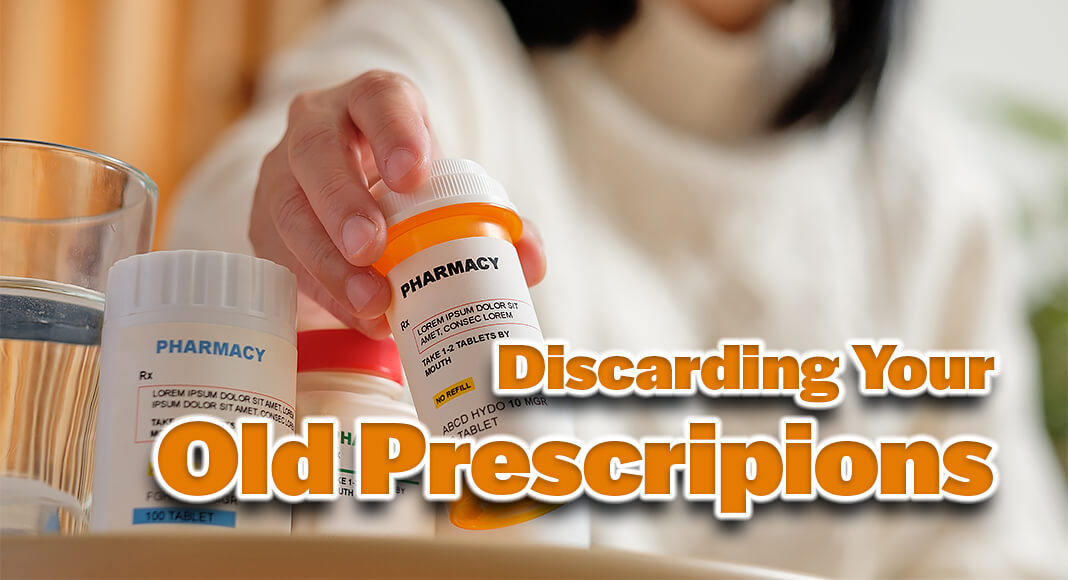
 National Prescription Drug Take Back Day makes it a good time to go through your medicine cabinet and see what’s expired. Image for illustration purposes
 National Prescription Drug Take Back Day makes it a good time to go through your medicine cabinet and see what’s expired. Image for illustration purposes
- Advertisement -

CLEVELAND CLINIC – National Prescription Drug Take Back Day makes it a good time to go through your medicine cabinet and see what’s expired.

“It’s important to go through your medicine cabinet and get rid of things that are expired, old or unused for a number of reasons. First and foremost is the efficacy of these medications may actually be less than when they were originally prescribed. Conversely, there are some medications that become more potent, and they may actually interact with your body or with your other medications,” explained Neha Vyas, MD, a family medicine physician for Cleveland Clinic.

Dr. Vyas said it can also be confusing to have a bunch of old prescriptions sitting around.

- Advertisement -

You could wind up taking the wrong one and that could be dangerous.

If the expiration date on the label has worn off, you can do a physical exam of the medication instead.

Keep an eye out for things like discoloration or decay.

If it’s hard to tell, Dr. Vyas said it’s best to err on the side of caution and check with your physician or pharmacist.

- Advertisement -

And if you do plan to get rid of the medication, make sure you’re doing so properly.

“You want to be mindful of how you dispose of your old, unused or expired medications. You don’t want to flush them down the toilet or put them down the drain. You do want to discard them in safe, appropriate places,” said Dr. Vyas. “You can check the Drug Enforcement Agency website for specific instructions on how to do so or contact your local municipality.”

Dr. Vyas said another reason it’s good to get rid of old medications is to help prevent the risk of accidental poisonings and overdoses.


- Advertisement -
- Advertisement -

- Advertisement -

More Articles

No More Needles: FDA Approves First Daily Pill to Replace Injectable Cholesterol Drugs

The U.S. Food and Drug Administration approved Lipfendra (enlicitide), the first oral inhibitor of proprotein convertase subtilisin/kexin type 9 (PCSK9), as an adjunct to diet and exercise to reduce low-density lipoprotein cholesterol (LDL-C), or “bad” cholesterol, in adults with hypercholesterolemia, including those with heterozygous familial hypercholesterolemia (HeFH). Image source: Merck.com.

Physicians Warn of Rising ER Visits Linked to E-Bikes and Scooters

Mega Doctor News CLEVELAND CLINIC - As electric bikes and scooters grow in...

STHS Heart Ranks Among Nation’s Top Hospitals for Heart Attack Care

Every year, more than 800,000 people in the United States suffer a heart attack, according to the Centers for Disease Control and Prevention, an event that occurs approximately every 40 seconds.

DHR Health Burn Surgeon Urges Public to Avoid Preventable Risks

Many of the most serious burn and trauma injuries can be prevented by avoiding unnecessary risks, according to Dr. R. Dewayne Edwards, chief burn surgeon, surgical critical care and trauma surgeon at DHR Health, who said public awareness and timely medical care remain essential to improving patient outcomes.
- Advertisement -
