







Mega Doctor News

Newswise — Physicians at UC San Diego Health are utilizing artificial intelligence (AI) to develop a non-invasive, computer-based mapping system that has resulted in a new way of treating ventricular arrhythmia, or irregular heart rhythm, including atrial fibrillation (AFib). Traditional arrhythmia-mapping techniques are not always reliable, which led to researchers with University of California San Diego School of Medicine to create a new technique involving AI that assists physicians to help locate the direct source of a patient’s arrhythmia.
According to the U.S. Centers for Disease Control and Prevention, AFib is the most common heart arrythmia that affects more than 12 million Americans and can be fatal. The standard of care for treating the condition is ablation, which involves small catheters inserted into the heart to burn or freeze specific areas responsible for the electrical signals causing an abnormal heartbeat. Before the procedure, physicians use the FDA-approved technology to locate a patient’s arrythmia by converting their EKG data into specific source maps that leverage millions of arrythmia simulations performed by technology resources, including the Supercomputer Center at UC San Diego.

Gordon Ho, MD, cardiac electrophysiologist at UC San Diego Health, is available to discuss the use of AI in arrythmia treatment.
Biography :
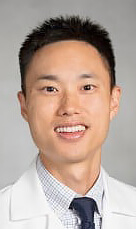
Gordon Ho, MD, is a board-certified cardiologist who subspecializes in cardiac electrophysiology who takes care of patients with fast, slow and irregular heart rhythms. Specifically, he has expertise in performing minimally-invasive procedures to treat atrial and ventricular arrhythmias. He is aslo board certified in internal medicine and cardiovascular medicine.
His primary goal is providing safe, individualized, and evidence-based care of patients with all heart rhythm disorders. He is skilled at catheter ablation of heart rhythm disorders, including patient-specific mapping and ablation of atrial fibrillation (Afib), atrial flutter, atrial tachycardias, ventricular tachycardia (VT), premature ventricular contractions (PVC), supraventricular tachycardias (SVT). He also performs device-based therapy (pacemakers, including leadless pacemakers) for slow heart rhythms (bradycardia), implantable defibrillators (ICD) for dangerous arrhythmias, cardiac resynchronization therapy (CRT) for heart failure and implantable loop recorders (ILR) to detect arrhythmias.
Using his biomedical engineering background, Ho performs innovative research to develop novel leading-edge technologies to improve treatment of heart rhythm disorders. His research projects include the development of computer-based mapping techniques to improve patient-specific therapy of all arrhythmias and studying mechanisms of refractory atrial fibrillation.
Ho is a member of the Heart Rhythm Society, American College of Cardiology, and American Heart Association.


