








How Physical Activity Supports Brain Health

Translate to Spanish or other 102 languages!

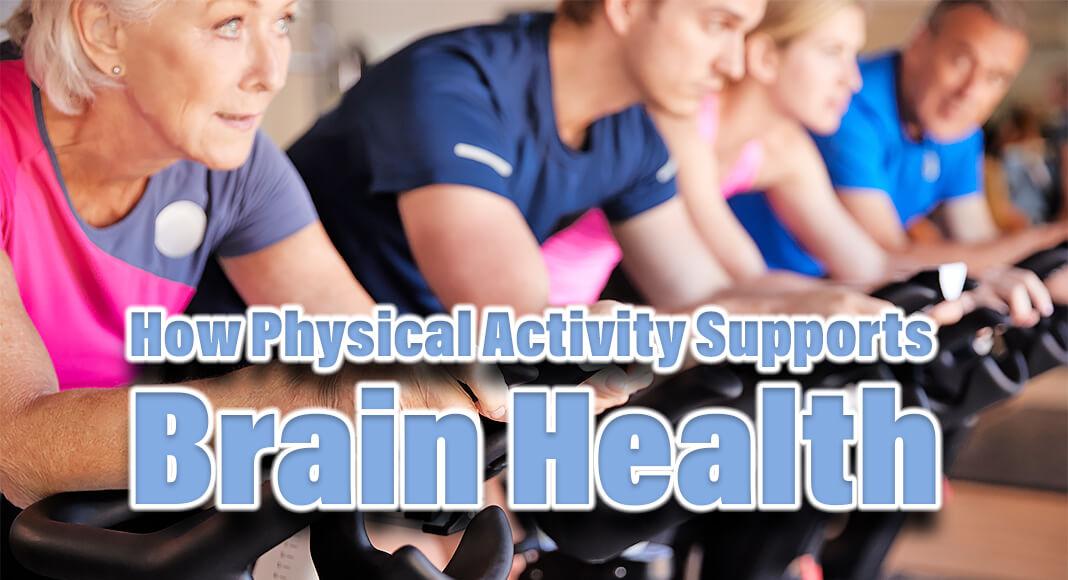
More evidence emerges suggesting that staying fit can help protect your brain health as you age. Image for illustration purposes
- Advertisement -
  • Dementia affects more than 55 million people worldwide, with 10 million diagnosed every year.
  • Studies suggest that keeping fit helps to reduce the risk of cognitive decline.
  • A new study in older adults has shown that higher cardiorespiratory fitness is associated with better cognitive performance, even in people with a genetic predisposition for dementia.

Dementia is increasing in prevalence worldwide. It affects more than 55 millionTrusted Source people, and is the seventh leading cause of death globally.

Follow the link below to Medical News Today to read he full story:

https://www.medicalnewstoday.com/articles/cardiorespiratory-fitness-could-protect-cognitive-health-as-we-age?slot_pos=article_1&utm_source=Sailthru%20Email&utm_medium=Email&utm_campaign=MNT%20Daily%20News&utm_content=2024-12-16&apid=&rvid=4ba4ec80177cae00eabc43b8bc6648d598c4a356d104663735777e0a0f8b5c9f

- Advertisement -

Information Source: https://www.medicalnewstoday.com

- Advertisement -

- Advertisement -

- Advertisement -

More Articles

How Anthocyanins Give Blueberries Their Superfood Status

If you like blueberries, or have been thinking about trying them, you may be surprised to know this tiny fruit offers some big health benefits.

Endocrine Society Outlines Strict Rules for Safe Testosterone Therapy

The Society’s Clinical Practice Guideline on testosterone replacement therapy in men with hypogonadism offers recommendations on appropriate testing and prescribing practices. 

The Simple Blood Draw Reshaping the Future of Alzheimer’s Care

Diagnosing dementias such as Alzheimer’s disease is a complex process. While we’ve gained significant ground in understanding how the disease affects the brain, clinicians must still rely on generalized cognitive tests and advanced brain scans to make a definitive diagnosis.

Exploring Facial Processing Differences in Autism

Some of the hallmark characteristics of autism are the tendencies to avoid looking at other’s faces and making less eye contact.
- Advertisement -


