








The Importance of Giving the Gift of Life

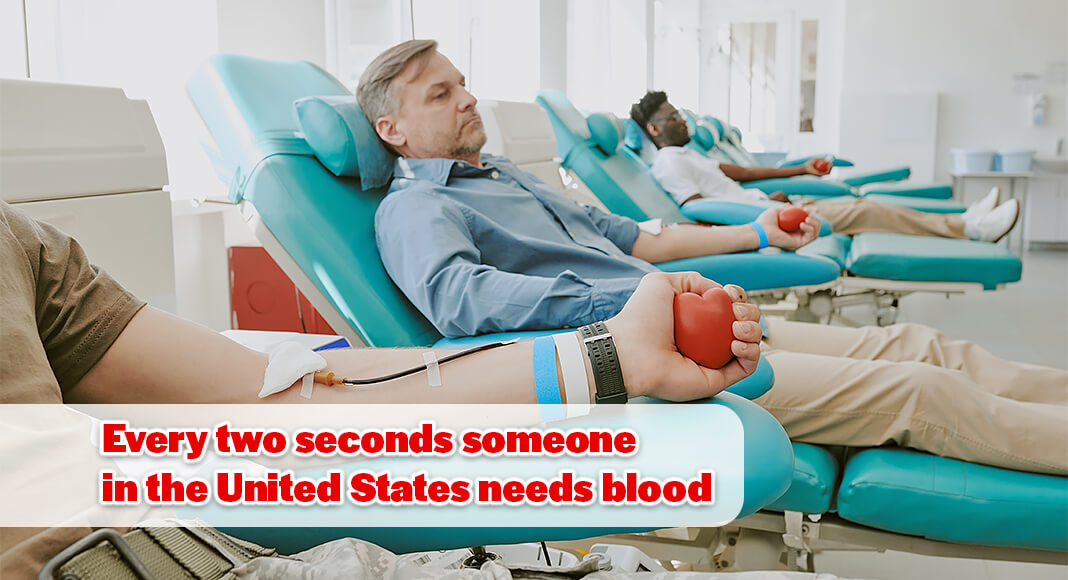
Every two seconds someone in the United States needs blood

Translate to Spanish or other 102 languages!

The type of patients that require blood to save their lives are patients such as trauma patients, cancer patients and surgery patients. Image for illustration purposes
- Advertisement -

CLEVELAND CLINIC – January is National Blood Donor Month, and According to the Red Cross, every two seconds someone in the United States needs blood. 

“We cannot manufacture blood. The only way we get lifesaving blood is through donations,” said Thomas Waters, MD, emergency medicine physician at Cleveland Clinic. “The type of patients that require blood to save their lives are patients such as trauma patients, cancer patients and surgery patients. So, it’s important that we keep blood donations up throughout the entire year.”

Dr. Waters said if you’ve never donated blood before, it usually takes about ten minutes and is done under sterile conditions. 

- Advertisement -

Your arm will be cleansed and then a needle will be placed for the blood draw.

About a pint of blood will be collected.

After you’re done, you’ll be given a drink and snack and rest for 15 minutes.

Dr. Waters knows it can feel like an intimidating process for some people, but it can help to remember you’re saving lives. 

- Advertisement -

“One donation of blood can save up to three lives. So, you can make a big difference by donating blood,” he said.

Dr. Waters notes that blood donations have a short shelf life and only last up to 42 days, which highlights why the need is constant.


- Advertisement -
- Advertisement -

- Advertisement -

More Articles

DHR Health Transplant Institute Earns Top State and National Rankings

The DHR Health Transplant Institute announced today that it has been recognized among the state’s and nation’s top performing kidney transplant centers, earning the no. 2 ranking in the State and no. 16 ranking in the Nation, according to the Scientific Registry of Transplant Recipients (SRTR).  

New Noninvasive Tech Tracks Infant Vital Signs Without Wires

In the neonatal intensive care unit, the most fragile patients in medicine are often the most heavily wired. Premature babies, some weighing less than a pound, can be tethered to a tangle of cables, monitors, and sensors. Each blood draw to check sugar levels or electrolytes means another needle, another bandage, another moment of stress for an infant whose skin is still forming.

STHS McAllen Receives National Award for Advancing Cardiac Arrest Care & Improving Patient Survival

In the moments following cardiac arrest, every second counts. Rapid intervention, seamless teamwork and evidence-based care can make the difference between life and death.

The Truth About Hot Dogs and Your Health

July is National Hot Dog Month. Reports show Americans eat roughly 20 billion hot dogs every year. While they’re okay to have on occasion, they shouldn’t be a regular part of your diet.
- Advertisement -
