Mega Doctor News
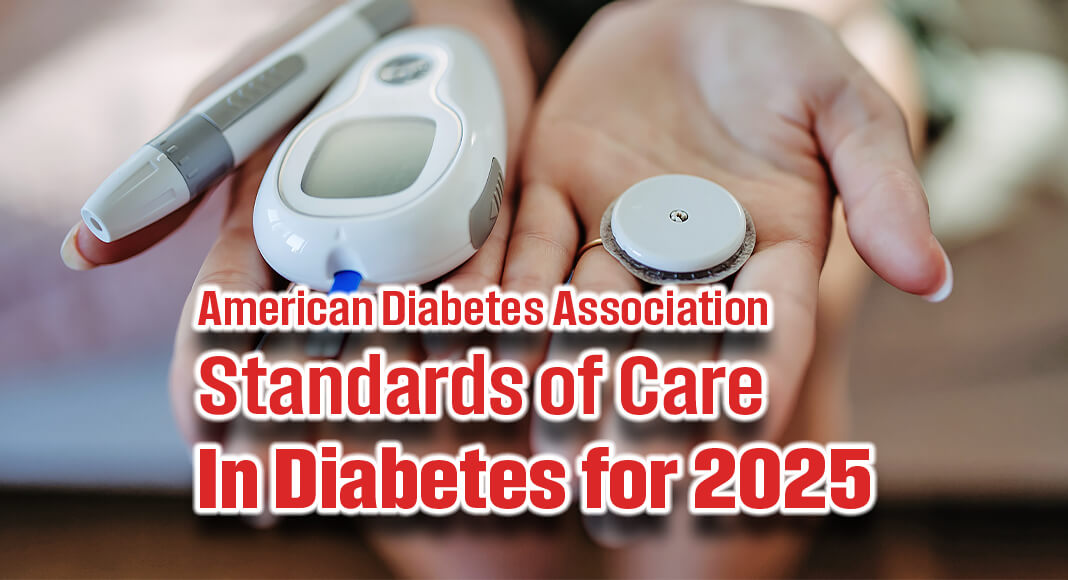
The American Diabetes Association® released the Standards of Care in Diabetes—2025 (Standards of Care) the gold standard in evidence-based guidelines for diagnosing and managing diabetes and prediabetes. Based on the latest scientific research and clinical trials, the Standards of Care includes strategies for diagnosing and treating diabetes in both youth and adults, methods to prevent or delay type 2 diabetes and its associated comorbidities like obesity, and care recommendations to enhance health outcomes.
“The latest ADA guidelines combine comprehensive, evidence-based recommendations for diabetes care with actionable guidance to enable health care professionals provide the best care possible for those living with diabetes,” said Nuha El Sayed, MD, MMSc, the ADA’s senior vice president of health care improvement.
Notable updates to the Standards of Care in Diabetes—2025 include:

- Consideration of continuous glucose monitor (CGM) use for adults with type 2 diabetes on glucose-lowering agents other than insulin.
- Guidance on actions to take during circumstances of medication unavailability, such as medication shortages.
- Additional guidance on the use of GLP-1 receptor agonists beyond weight loss for heart and kidney health benefits.
- Guidance on continuation of weight management pharmacotherapy beyond reaching weight loss goals.
- Guidance for treatment of metabolic dysfunction-associated steatotic liver disease (MASLD) with moderate or advanced liver fibrosis using a thyroid hormone receptor-beta agonist.
- Emphasis on the use of antibody-based screening for presymptomatic type 1 diabetes in those who have a family history or known genetic risk.
- Guidance on the use of recreational cannabis for type 1 diabetes and those with other forms of diabetes at risk for diabetic ketoacidosis (DKA).
- Key updates highlighting potentially harmful medications in pregnancy and guidance for appropriately modifying the care plan.
- Expanded nutrition guidance to encourage evidence-based eating patterns, including those incorporating plant-based proteins and fiber, that keep nutrient quality, total calories, and metabolic goals in mind.
The ADA annually updates its Standards of Care through the efforts of its Professional Practice Committee (PPC). Comprising global experts from diverse professional backgrounds, the PPC includes physicians, nurse practitioners, certified diabetes care and education specialists, registered dietitian nutritionists, pharmacists, and methodologists. Its members hold expertise in a range of related fields. The 2025 Standards of Care has garnered endorsements from the American College of Cariology (Section 10), the American Geriatrics Society (Section 13), the American Society of Bone and Mineral Research (Bone Health, Section 4), and the Obesity Society (Section 8).
Other noteworthy changes include:
- Emphasis on water intake over nutritive and nonnutritive sweetened beverages; and the use of nonnutritive sweeteners over sugar-sweetened products in moderation and for the short term to reduce overall calorie and carbohydrate intake.
- Importance of meeting resistance training guidelines for those treated with weight management pharmacotherapy or metabolic surgery.
- Guidance for DKA and hyperglycemic hyperosmolar state (HHS) in the outpatient and inpatient settings.
- Screening updates for fear of hypoglycemia, diabetes distress, and anxiety.
- Improved approach for diabetes care delivery for older adults.
- Guidance on the use of GLP-1 receptor agonists and dual GIP and GLP-1 receptor agonists in the perioperative care setting.
“Improving the lives of people affected by diabetes is a key part of the ADA’s mission. The Standards of Care offers the trusted support needed for people living with diabetes and those caring for them to manage the disease and thrive until we find a cure,” said Charles “Chuck” Henderson, the ADA’s chief executive officer.
The Standards of Care in Diabetes—2025 is now available online as a supplement to the January 2025 issue of Diabetes Care®. In addition, a convenient Standards of Care app, available for iOS and Android systems, offers the latest guidelines with interactive tables and algorithms for easy reference. Additional resources, including a comprehensive slide deck and a webcast offering continuing education (CE) credit, are available on the ADA’s professional website DiabetesPro®. A quick-reference pocket chart will soon be available for purchase on ShopDiabetes.org. For primary care providers, the Abridged Standards of Care, developed by the ADA’s Primary Care Advisory Group, is planned for release in Spring 2025 in Clinical Diabetes®. Through the “living” Standards of Care process, the online version, abridged guidelines, and all related materials will be updated in real time throughout the year to reflect the latest evidence and regulatory changes.
About the American Diabetes Association
The American Diabetes Association (ADA) is the nation’s leading voluntary health organization fighting to end diabetes and helping people thrive. For 84 years, the ADA has driven discovery and research to prevent, manage, treat, and ultimately cure diabetes. There are 136 million Americans living with diabetes or prediabetes. Through advocacy, program development, and education, we’re fighting for them all. To learn more or to get involved, visit us at diabetes.org or call 1-800-DIABETES (800-342-2383). Join the fight with us on Facebook (American Diabetes Association), Spanish Facebook (Asociación Americana de la Diabetes), LinkedIn (American Diabetes Association), and Instagram (@AmDiabetesAssn). To learn more about how we are advocating for everyone affected by diabetes, visit us on X (@AmDiabetesAssn).