How High Cholesterol And Hypertension Increase Heart Disease Risks In Younger Adults

Translate to Spanish or other 102 languages!

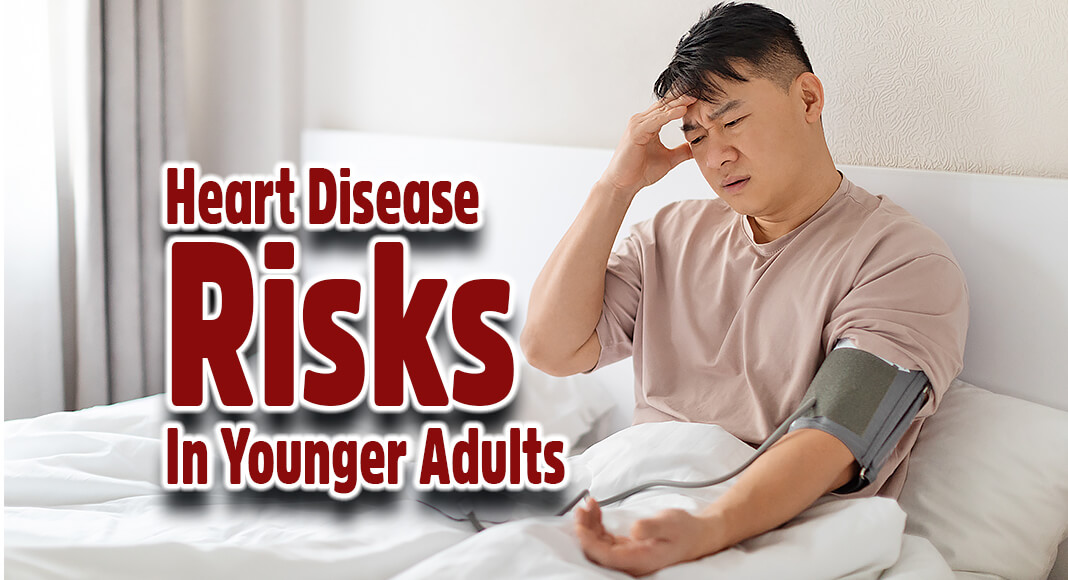
Experts say it’s important for younger adults to monitor their blood pressure. Image for illustration purposes
- Advertisement -
  • In a new study, researchers say younger people may be more vulnerable to developing cardiovascular problems than previously believed.
  • They say young adults need to pay more attention to cardiovascular risk indicators such as cholesterol and high blood pressure at an early age.
  • Experts say early lifestyle modifications can reduce the risk of heart problems later in life.

Cardiovascular issues aren’t just a concern for the young at heart.

Follow the link below to read the full story on Medical News Today:

https://www.medicalnewstoday.com/articles/how-high-cholesterol-and-hypertension-increase-heart-disease-risks-in-younger-adults

- Advertisement -

Information Source: https://www.medicalnewstoday.com

- Advertisement -

- Advertisement -

- Advertisement -

More Articles

New Study Shows Wide Variation in Telemedicine Use Among Patient Groups

Use of telemedicine spiked amid the COVID-19 pandemic, but is still used significantly more in the years following crisis compared to the time before, new analysis from Penn Medicine researchers shows.

The Truth About Sleep Trackers and What They Measure

We probably all know someone who tracks their sleep with a smart watch, but have you ever wondered if those devices actually work? 

FDA Seeks Public Input on New In‑Home Opioid Disposal Standards

The U.S. Food and Drug Administration today issued a Request for Information (RFI)seeking public comment on potential new standards for in-home opioid disposal products. This effort is part of the agency’s broader work to combat the opioid crisis.

Depression and Suicidal Ideation Rise Sharply Among U.S. College Students, 15‑Year Study Finds

Results of an analysis of health survey data from more than 560,000 U.S. college students concludes that depression symptoms have steadily increased over the past 15 years, particularly among women, minorities and students experiencing financial stress
- Advertisement -