








The Truth About Sleep Trackers and What They Measure

Translate to Spanish or other 102 languages!

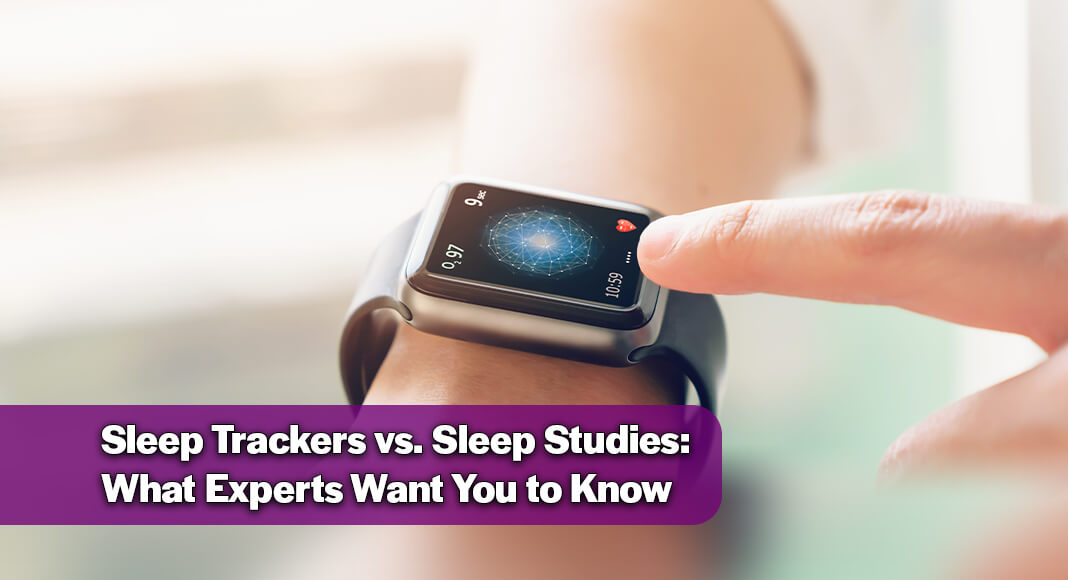
We probably all know someone who tracks their sleep with a smart watch, but have you ever wondered if those devices actually work? Image for illustration purposes
- Advertisement -

CLEVELAND CLINIC – We probably all know someone who tracks their sleep with a smart watch, but have you ever wondered if those devices actually work? 

“It really depends what you’re looking to get from them. Most sleep trackers use a very basic technology called an accelerometer, which basically means they just look at your movement. And by virtue of how much you’re moving and what type of movement you have, it can estimate if you’re sleeping or not. And therefore, it’s a pretty good estimate of the total amount of sleep that you’re getting every night,” said Samuel Gurevich, MD, who is a sleep specialist at Cleveland Clinic.

Dr. Gurevich said if you wanted a more in depth look at your sleep habits, a sleep tracker wouldn’t be the most reliable option. 

- Advertisement -

He explains that the data being collected is just an estimate and could, in some cases, even be wrong. 

So, what would he recommend using instead? 

Dr. Gurevich said the best way to truly know what kind of sleep you’re getting or if you have a sleep disorder is by doing a sleep study. 

It’s considered the gold standard. 

- Advertisement -

“With a sleep study, we invite patients into the laboratory where we’re looking at their brain activity, along with their breathing, and their heart rate, and other parameters. We can tell if they’re sleeping or not, and what stage of sleep they’re in,” he said. “So, if you’re looking for really granular data, like how much deep sleep you’re getting or REM sleep you’re getting, these trackers tend to be much less reliable.”

Dr. Gurevich said if you do use a sleep tracker, it’s important not to get too obsessive with the daily numbers. 

What matters more is paying attention to any concerning trends and letting your physician know.  

- Advertisement -
- Advertisement -

- Advertisement -

More Articles

TMA Honors Georgetown Pediatrician for a Career of Distinguished Service 

The Texas Medical Association (TMA) has honored Georgetown pediatrician John W. Hellerstedt, MD, with the 2026 TMA Distinguished Service Award in recognition of his 45 years of exemplary service to patients, public health, and organized medicine.   

FDA Clears Path for Expanded Testosterone Therapy Options for Men

The U.S. Food and Drug Administration is taking an initial step to advance treatment options for men’s health by encouraging sponsors of approved testosterone replacement therapy (TRT) products to contact FDA for information if they are interested in pursuing a potential new indication for low libido in men with idiopathic hypogonadism (without a known cause).

Study Finds Persistent Barriers to Hormone Therapy for Cervical Cancer Patients

Most oncologists say they would prescribe hormone therapy to cervical cancer patients who experience early menopause from radiation treatment, but barriers are keeping many from doing so in practice, according to a new University of Kentucky Markey Cancer Center study published in JAMA Network Open.

STC opens Wellness Center at Health Science Professions Campus

South Texas College recently inaugurated a new Wellness Center at its Health Science Professions Campus in McAllen, giving students, faculty and staff free access to a space designed to support both physical and mental well-being.
- Advertisement -

