Mega Doctor News
By Roberto Hugo González / Mega Doctor News
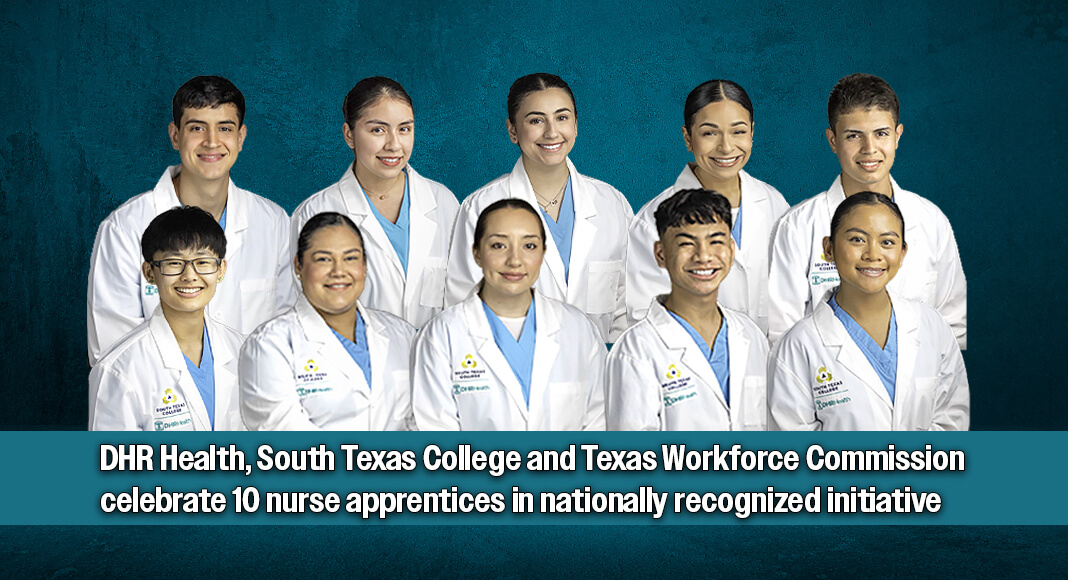
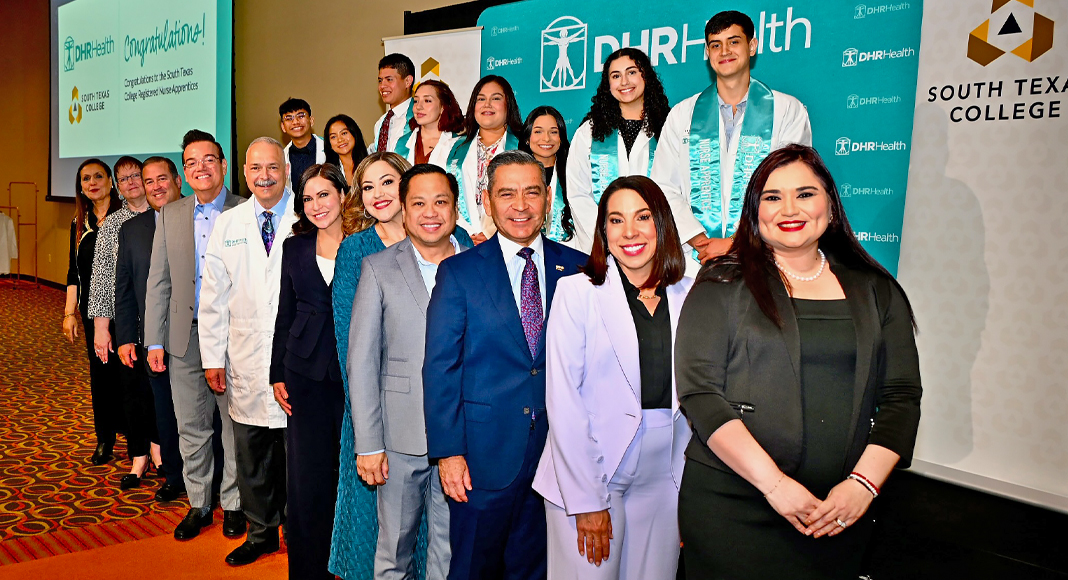
DHR Health and South Texas College celebrated the graduation of the first cohort of the Registered Nurse Apprenticeship Program, marking the completion of a program described by organizers as the first federally recognized traditional registered nursing apprenticeship in the United States. The ceremony honored 10 graduating nurse apprentices and featured remarks from leaders at DHR Health, South Texas College, and the Texas Workforce Commission.
Speakers described the program as a collaborative effort among DHR Health, South Texas College, and the Texas Workforce Commission to address the nursing shortage in the Rio Grande Valley and to create a new nursing education pathway. Graduates completed paid clinical training while pursuing associate degrees in nursing through South Texas College.

Marissa S. Castañeda, senior executive vice president at DHR Health and master of ceremonies for the event, said the ceremony recognized “the grit and commitment of our future nurses” and celebrated the first graduating class of the partnership.
Dr. Carlos Cardenas, chairman of the board at DHR Health, emphasized the role nurses play in patient care and community health. “Everything that we do in healthcare begins at the bedside and ends at the bedside,” Cardenas said, describing nursing as central to patient care and the healthcare system. He also said the program represented an effort to expand healthcare access in the Rio Grande Valley by training local professionals to serve local patients.
Clarissa Cerda, assistant chief nursing officer at DHR Health, described nursing as both demanding and service oriented. “Nursing is a calling. It is the ability to provide comfort during fear, hope during uncertainty, and healing during difficult moments,” Cerda said. She praised graduates for balancing coursework, clinical responsibilities, and personal obligations during the apprenticeship.
Several speakers highlighted the effort required to establish the program. Dr. Jayson Valerio, regional healthcare liaison at South Texas College, said the idea initially faced regulatory and structural obstacles, including the absence of registered nursing from the federal apprenticeship occupation list. “Once it was seen as impossible, it is now a reality and yielding to its great fruition,” Valerio said. “This did not happen by accident. It happened because we chose vision over hesitation.”
Valerio said the graduating class would play a historic role in shaping future nursing apprenticeships. “You are the first federally recognized traditional registered nursing apprenticeship in the nation. Because of you, you will be paving the way for the next cohort,” he said.
Texas Workforce Commission State Apprenticeship Director Desi Holmes said Texas led efforts to secure federal approval for registered nursing apprenticeships and establish paid clinical training. Holmes said the apprenticeship structure allows students to “earn while they learn” while gaining extensive hands-on experience. “I would prefer an apprentice nurse taking care of me than a college nurse,” Holmes said. “Because you learned it well, you learned it and earned it through the process.”
South Texas College Vice President Rodney Rodriguez said the program took approximately three years to develop and credited collaboration among education leaders, healthcare providers, and state agencies for making the initiative possible.
Texas Workforce Commissioner Albert Treviño III presented a proclamation recognizing Apprenticeship Week in Texas and praised the partnership for expanding workforce development opportunities. Treviño said the program demonstrated the potential for apprenticeships in healthcare and other career fields.
The ceremony concluded with a white-coat presentation for the graduates and recognition of faculty members, preceptors, and family members who supported the apprentices during the program. Speakers repeatedly described the graduates as pioneers in a model they said could influence nursing education across Texas and beyond.
See related story: