



Mega Doctor News
By Lavene Gass / Rutgers University-New Brunswick
Newswise – Heart disease is the leading cause of death in the United States according to the Journal of the American College of Cardiology. Its impact extends beyond biology, with social detriments such as food insecurity, socioeconomic status and education influencing outcomes.
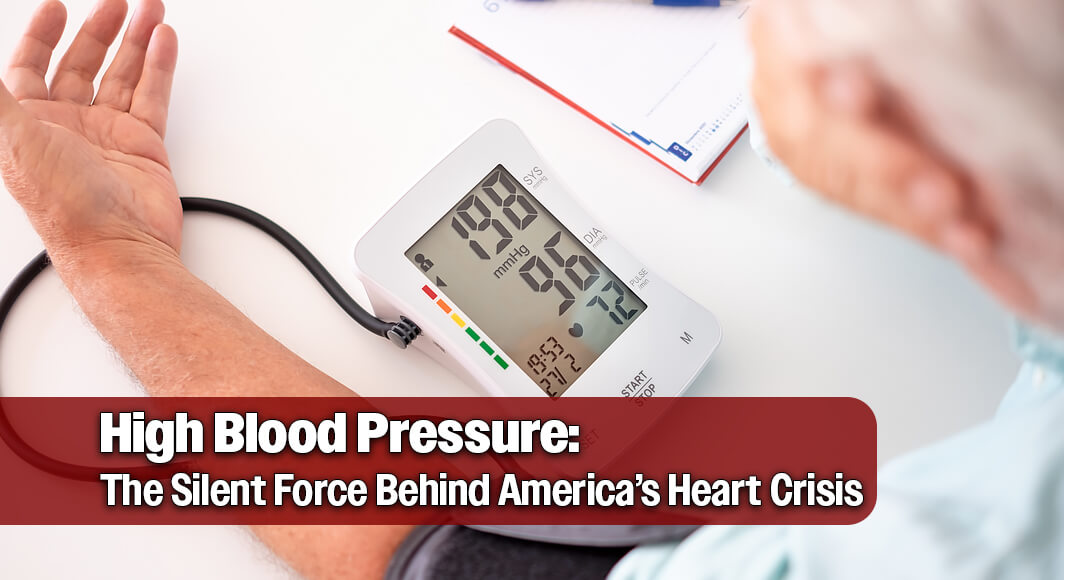
Hypertension is a major and often underrecognized risk factor for cardiovascular disease – considered the “silent killer” because it typically presents without symptoms. As it progresses, hypertension can contribute to more serious cardiovascular conditions overtime, including angina, heart attacks and atherosclerosis, a buildup of plague in the arteries. In 2023, hypertension was the primary or contributing cause of about 664,000 deaths in the United States. At Rutgers Health and University Hospital, cardiovascular health experts are advancing patient care through advanced technology and innovative comprehensive cardiovascular services.

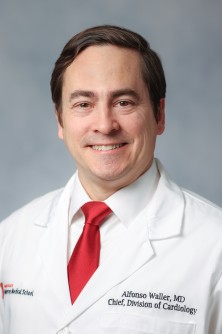
Alfonso Waller, a professor of medicine and radiology and chief of the Division of Cardiology at Rutgers New Jersey Medical School, discusses how lifestyle changes, early screening and access to specialized care can reduce risks and improve health outcomes.
How prevalent is heart disease in the U.S., and why does it remain the leading cause of death?
There are over 82 million U.S. adults living with heart disease, and when combined with broader cardiovascular conditions like stroke and high blood pressure, roughly half of U.S. adults have some form of cardiovascular disease.
Heart disease, including coronary artery disease, heart failure and hypertension-related heart disease remains the leading cause of death for both men and women in the U.S. due to family history and modifiable risk factors, such as hypertension, high cholesterol, obesity, diabetes, smoking and physical inactivity.
What are some common risk factors for heart disease and which ones are often overlooked?
Well-established risk factors include modifiable ones like high blood pressure, high cholesterol, obesity, diabetes, smoking and physical inactivity.
Non-modifiable risks include family history and gender, with men developing heart disease earlier and women typically after menopause and age, as risk increases with age.
Often overlooked are social and environmental factors such as food insecurity, limited access to preventative care, neighborhood walkability and exposure to secondhand smoke or air pollution.
How does heart disease impact different populations, including women and communities of color?
Heart disease affects populations unequally across socioeconomic status, gender and race and ethnicity, with differences also seen in awareness. It is the leading cause of death for both men and women in the U.S. – more than all cancers combined. Yet many women are not aware that heart disease is the number one cause of death in women.
There are specific risk factors for women, who may also present with accompanying symptoms such as nausea, fatigue and shortness of breath, compared to isolated chest discomfort described in men, which can contribute to delay in diagnosis.
Communities of color also experience higher rates of heart disease, earlier onset and worse outcomes.
How do lifestyle factors such as stress, diet and exercise influence cardiovascular health?
Stress can contribute to poor diet, inactivity and elevated heart rate and blood pressure. Diet strongly influences cholesterol, blood pressure and weight. Regular exercise helps maintain healthy weight, lowers resting heart rateand reduces blood pressure. Together, a healthy diet and regular exercise can promote heart health.
How are Rutgers Heath and University Hospital addressing heart disease through research and clinical care?
Rutgers Health and University Hospital offer full-spectrum cardiovascular care, from prevention and early detection to advanced diagnostic screening and treatments.
Services include advanced imaging, electrophysiology, complex interventional cardiology, advanced heart failure care and structural heart interventions. Care is guided by evidence-based and guideline-based practices, covering everything from prevention to interventions.
At University Hospital, we were the first academic hospital in New Jersey to offer photon-counting CT scanner. It is state-of-the-art technology that shows sharper images of the heart that allows us to provide a more precise diagnosis.
Additionally, University Hospital is the only hospital in New Jersey to earn the Advanced Certification in Heart Failure from The Joint Commission, recognizing the comprehensive, high-quality coordinated care provided for patients with heart failure.
What is one actionable step you encourage people to take to prioritize their heart health?
High blood pressure usually has no symptoms, yet it significantly increases the risk of heart attack and stroke. Cholesterol levels are also critical to heart health.
If you have not seen your primary care doctor in some time, make an appointment to check blood pressure and cholesterol, and discuss lifestyle modifications or medications, if needed. For those with heart disease, a low-salt, low-cholesterol diet and regular follow-up are important.