








Mega Doctor News
By Roberto Hugo González / Mega Doctor News
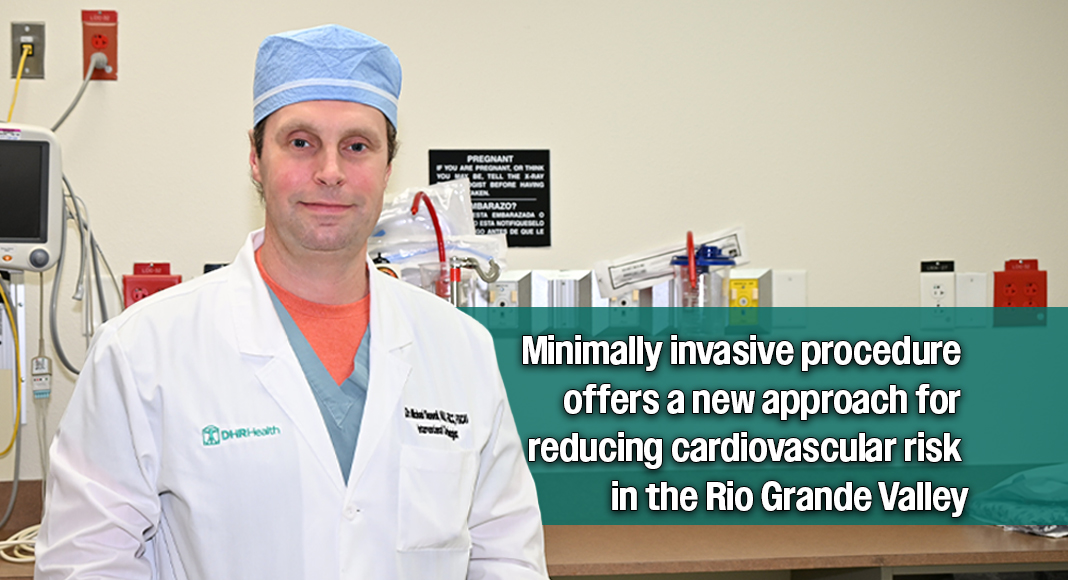
Dr. Michael Seawell, a board-certified interventional cardiologist at DHR Health, is helping expand access to renal denervation, a minimally invasive treatment designed for patients with difficult-to-control high blood pressure. The procedure targets overactive nerves surrounding the renal arteries and is emerging as an additional treatment option for patients whose hypertension remains uncontrolled despite medication.
Dr. Seawell specializes in diagnosing and treating conditions affecting the heart and blood vessels through catheter-based procedures. After completing his Internal Medicine residency at The Long School of Medicine in San Antonio, he pursued a cardiovascular disease fellowship at The University of Tennessee Health Science Center and later completed an Interventional Cardiology fellowship at the University of Florida College of Medicine in Jacksonville.

At DHR Health, Dr. Seawell provides care for patients with coronary artery disease, cardiomyopathy, congenital heart conditions, heart valve disease, blood clots, hypertension, venous disease, and other cardiovascular disorders. Among the newer treatment options available through the health system is renal denervation, a procedure aimed at reducing blood pressure by disrupting nerve signals associated with the kidneys.
According to Dr. Seawell, renal denervation is performed on an outpatient basis and involves temporarily placing a catheter inside the renal arteries. Energy delivered through the catheter, typically radiofrequency waves or ultrasound energy, is used to alter overactive nerves surrounding the arteries. The goal is to reduce signals that contribute to elevated blood pressure.
“It blunts the nervous system response from the kidneys, thereby decreasing the signals sent to the brain to increase vascular tone, decrease sodium and fluid reabsorption, and reduce the hormonal response that increases blood pressure,” Dr. Seawell explained. He said the treatment works through both direct disruption of nervous system activity and indirect reduction of hormonal responses that contribute to hypertension.
The procedure is intended for carefully selected patients. Dr. Seawell said ideal candidates include individuals with hypertension that remains uncontrolled despite taking two or three medications at maximally tolerated doses. Patients with labile hypertension, those who have required emergency care because of severe blood pressure elevations, and individuals who cannot tolerate blood pressure medications may also be considered.
Before renal denervation is offered, patients undergo a comprehensive evaluation to determine the underlying causes of their hypertension. Dr. Seawell emphasized that patients must first be assessed for secondary hypertension, which refers to elevated blood pressure caused by another medical condition. Those underlying conditions must be identified and treated before renal denervation is considered.
The evaluation process begins with a detailed office visit during which physicians review medications, symptoms, risk factors, prior hospitalizations, and potential complications. Laboratory testing and imaging studies are commonly performed as part of the workup. Physicians also review home blood pressure readings or ambulatory blood pressure monitoring results to gain a more complete picture of blood pressure control outside the clinical setting
“Sometimes the workup leads us in another direction for treatment of their hypertension, and another condition is treated to try to control their BP,” Dr. Seawell said. If no secondary cause is identified and blood pressure remains poorly controlled, patients and physicians can make a shared decision about moving forward with renal denervation.
Hypertension remains one of the most common chronic health conditions in the United States. Dr. Seawell noted that approximately half of American adults have been diagnosed with hypertension. Among those patients, resistant hypertension affects an estimated 10% to 20%.
Determining whether blood pressure is adequately controlled involves more than a single office reading. While office measurements remain important, Dr. Seawell said physicians frequently rely on home or ambulatory monitoring. Consistent readings above 140/90 despite treatment indicate uncontrolled hypertension. Significant fluctuations in blood pressure throughout the day or night may also signal poor control.
If a patient is approved for renal denervation, insurance authorization is obtained before scheduling the procedure. Dr. Seawell said insurers have historically been restrictive regarding coverage, but approval has become easier and less restrictive in recent years. He added that prior authorization is obtained before scheduling to help prevent unexpected out-of-pocket expenses.
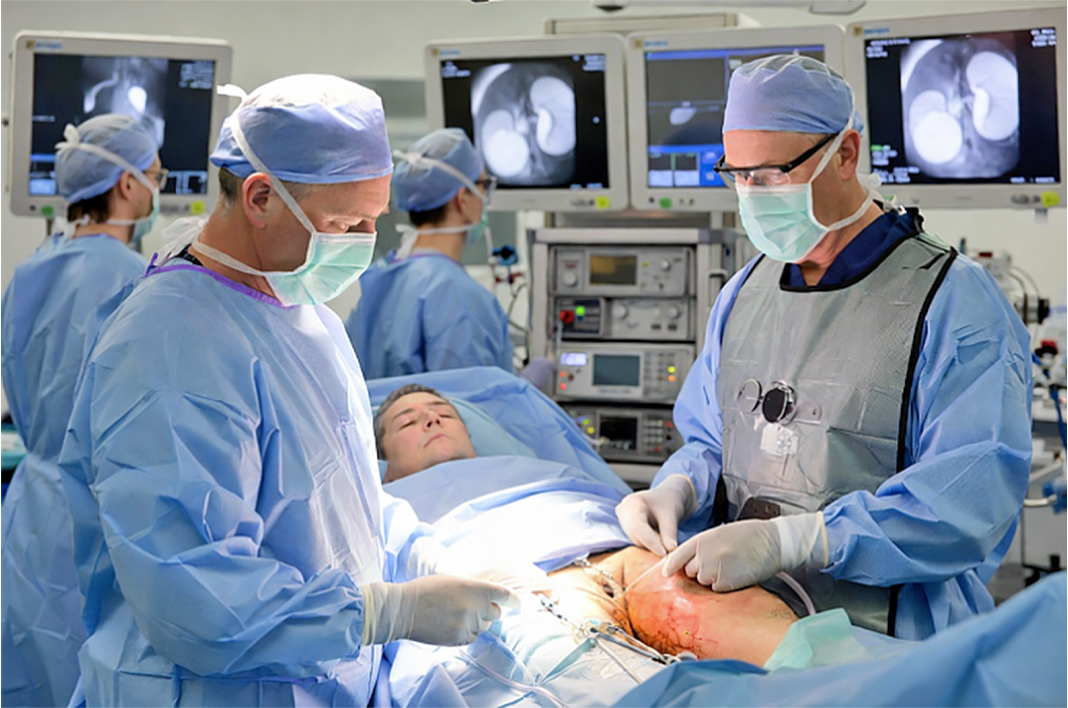
The procedure itself takes place in a hospital cardiac catheterization laboratory. Patients receive sedation and pain medication before physicians access the femoral artery through the groin. Contrast-enhanced X-ray imaging is used to evaluate the renal arteries before treatment begins.
The renal denervation catheter is then advanced into branches of the renal arteries, where targeted treatment is performed. The process is repeated on both sides. Once the procedure is complete, the catheter and sheath are removed, and patients recover for several hours before returning home the same day.
Dr. Seawell reported that the complication rate is less than 1%. Most complications involve vascular access issues. Less common risks include injury to the renal arteries and complications related to contrast dye exposure, particularly among patients with advanced chronic kidney disease.
One of the key measures of success is the procedure’s impact on blood pressure reduction. Dr. Seawell said renal denervation typically lowers systolic blood pressure by approximately 10 millimeters of mercury (mmHg). From a cardiovascular perspective, he described that reduction as clinically significant.
“Every 10 mmHg drop in systolic blood pressure reduces the risk of a major cardiovascular event, such as stroke or heart attack, by 20%,” he said. He added that all-cause mortality is reduced by 13%.
The benefits of renal denervation are not always immediate. According to Dr. Seawell, patients generally begin to see improvements within weeks to months. Significant reductions often become apparent within two to three months, although blood pressure improvements may continue for up to a year after treatment.
Current evidence also suggests that the effects are long-lasting. Dr. Seawell said that available evidence suggests benefits lasting approximately 10 years, making renal denervation a long-term treatment option for eligible patients.
While some patients may be able to reduce the number or dosage of medications they take after the procedure, Dr. Seawell cautioned that renal denervation should not be viewed as a replacement for medication. Instead, it may reduce medication burden or improve stability and control when used alongside existing treatment plans.
The procedure is not appropriate for all patients. Dr. Seawell identified fibromuscular dysplasia as a contraindication. Other patients who may not be suitable candidates include those with advanced chronic kidney disease who are at risk of requiring dialysis, kidney transplant recipients, individuals with untreated renovascular disease, and pregnant patients.
Beyond lowering blood pressure, renal denervation may provide broader health benefits. Dr. Seawell said the treatment can reduce cardiovascular events and may help decrease progression to chronic kidney disease. He also noted that its blood pressure-lowering effect is comparable to adding another medication, while providing what he described as an “always-on effect” that does not depend on medication adherence or maintaining drug levels in the body.
Among the misconceptions patients commonly have is the belief that renal denervation is a major surgery requiring hospitalization. Dr. Seawell said some patients also incorrectly assume the procedure is dangerous, that results are immediate, or that all blood pressure medications can be discontinued afterward.
Since DHR Health began offering renal denervation, patient response in Edinburg and Brownsville has been mixed. “Many patients are intrigued and want to undergo the procedure; others are apprehensive,” Dr. Seawell said.
He shared the example of a patient in his late 30s with longstanding uncontrolled hypertension and progressing stage 3 chronic kidney disease. After undergoing renal denervation, the patient experienced a 15-20 mmHg reduction in systolic blood pressure, discontinued one antihypertensive medication, significantly reduced the dosage of another, and has seen stabilization of kidney function since the procedure was performed last year.
Dr. Seawell believes the procedure could have a substantial public health impact in South Texas, where rates of hypertension, diabetes, and cardiovascular disease remain high.
“The public health benefit in the RGV could be drastic and, over time, meaningfully decrease the risk of cardiovascular events and worsening renal failure,” he said. He noted that the cardiovascular benefits associated with blood pressure reduction may be even greater among patients with diabetes.
DHR Health introduced renal denervation to provide another option for patients facing complications from uncontrolled hypertension. “Our patients are particularly susceptible to the complications of uncontrolled hypertension,” Dr. Seawell said. “This is a novel treatment that can drastically improve the overall health of our citizens and improve the local public health, and more importantly, enable eligible patients to live healthier lives.”
He added that DHR Health continues to pursue innovative treatments and research initiatives across multiple medical disciplines through its research institute.
For individuals who believe high blood pressure is simply a normal part of aging, Dr. Seawell offered a clear message. “It is not, but the earlier you have it treated, the better the results and the greater the long-term benefit in control,” he said. “Don’t wait to get treated, and if medications aren’t controlling your pressure, don’t give up. There are other options.”
Patients interested in determining whether they may qualify for renal denervation can schedule an appointment through the DHR Health Heart and Vascular Institute and specify their interest in the procedure or ask their primary care physician for a referral for evaluation.
#RenalDenervation #Hypertension #HighBloodPressure #Cardiology #InterventionalCardiology #HeartHealth #CardiovascularHealth #DHRHealth #RioGrandeValley #SouthTexasHealth #HeartAndVascularInstitute #BloodPressureControl #ResistantHypertension #ChronicKidneyDisease #StrokePrevention #HeartAttackPrevention #MedicalInnovation #PatientCare #PreventiveHealth #MegaDoctorNews
Create a photorealistic medical scene inside a modern hospital cardiac catheterization laboratory showing a renal denervation procedure being performed by an interventional cardiologist. The patient is lying on a catheterization table under sterile drapes and conscious sedation, while a physician and clinical team in surgical gowns, masks, gloves, and protective lead aprons guide a catheter through the femoral artery in the groin. Large medical monitors display contrast-enhanced fluoroscopic images of the renal arteries and catheter position. The image should accurately depict the minimally invasive nature of the procedure, with the catheter advanced into the renal arteries to deliver radiofrequency or ultrasound energy to the surrounding nerves. Emphasize advanced cardiovascular technology, a clean and professional hospital environment, realistic medical equipment, detailed anatomy shown on imaging screens, and a calm, controlled atmosphere. The style should be highly detailed, clinically accurate, photorealistic, editorial-quality medical photography suitable for a healthcare magazine or hospital publication, with natural lighting and no graphic surgical exposure.
See related story:


