loader image
Sunday, December 7, 2025
89.6 F
McAllen
- Advertisement -

Risks of Taking Weight Loss Supplements

Translate to Spanish or other 102 languages!

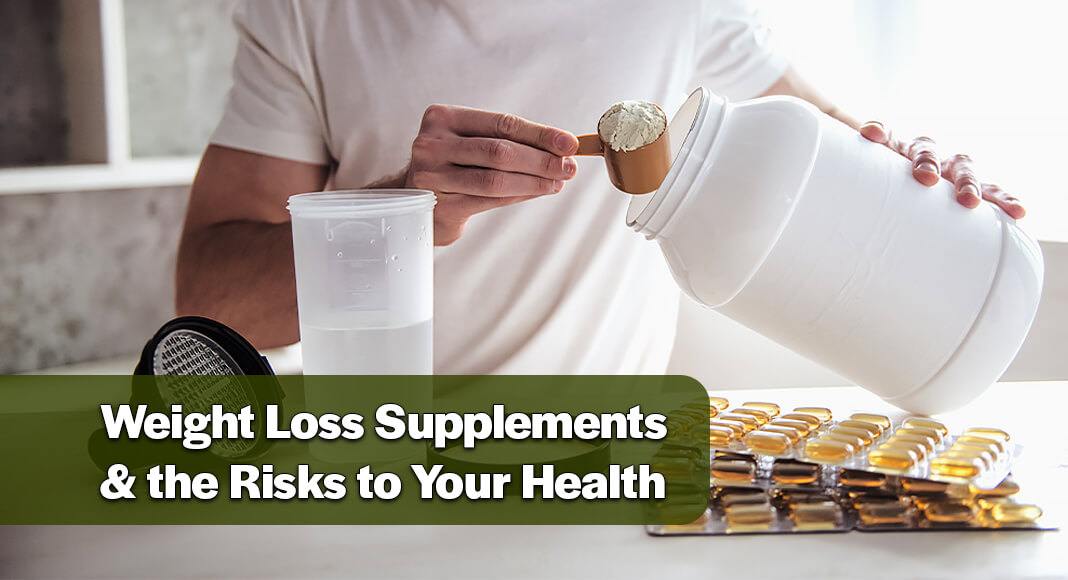
 GLP-1 medications are continuing to grow in popularity, but not everyone is eligible for them. As a result, some are opting to take weight-loss supplements instead, which doctors warn can be unsafe. Image for illustration purposes
 GLP-1 medications are continuing to grow in popularity, but not everyone is eligible for them. As a result, some are opting to take weight-loss supplements instead, which doctors warn can be unsafe. Image for illustration purposes
- Advertisement -

CLEVELAND CLINIC – GLP-1 medications are continuing to grow in popularity, but not everyone is eligible for them. As a result, some are opting to take weight-loss supplements instead, which doctors warn can be unsafe. 

“The problem with supplements is that they are not standardized. GLP-1 medications have been rigorously tested in multiple randomized controlled trials in large cohorts of patients. So, what that means is, they have been tried on multiple patients before they have been deemed safe,” said Peminda Cabandugama, MD, endocrinologist at Cleveland Clinic. 

Dr. Cabandugama said unlike GLP-1 medications, weight-loss supplements do not need to be approved for use by the FDA.

- Advertisement -

That means anything can be added to them, including harmful or illegal ingredients. 

Not to mention, there’s no way to know the potential side effects or long-term risks of taking them. 

Another concern with weight-loss supplements is how they interact with other medications. 

“These supplements could interact with other medications you’re taking, and this can be disastrous if you’re taking any sort of life-saving medication,” Dr. Cabandugama said.

- Advertisement -

If you are currently taking a weight-loss supplement, it’s important to let your physician know because they can offer safer alternatives. 

- Advertisement -
- Advertisement -

- Advertisement -

More Articles

ACIP: Parents to Decide on Hepatitis B Vaccine for Infants

The Centers for Disease Control and Prevention's (CDC) Advisory Committee on Immunization Practices (ACIP) today voted 8 to 3 to recommend individual-based decision-making for parents deciding whether to give the hepatitis B vaccine, including the birth dose, to infants born to women who test negative for the virus.

How to Ease Holiday Stress

The holidays are here, and sometimes they can feel just as stressful as they are joyful. This often comes down to the pressures we all face this time of year.

CDC Warns of Salmonella Outbreak Tied to Moringa Leaf in Supplements

11 people from 7 states have gotten sick from the same strain of Salmonella. Three people have been hospitalized, and no deaths have been reported.

Celebrating Resilience: DHR Health Trauma Center’s Annual Luncheon

Mega Doctor News Edinburg, Texas: DHR Health’s Level I Trauma Center hosted a...
- Advertisement -
×