



Mega Doctor News

Texas Border Business / Mega Doctor News
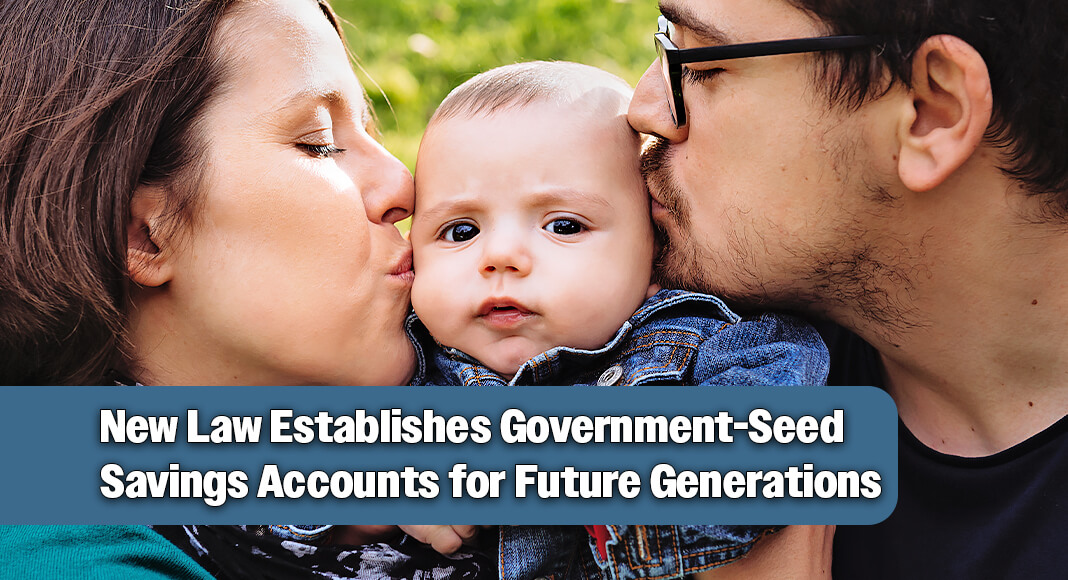
On July 4, 2025, President Donald J. Trump signed the ONE BIG BEAUTIFUL BILL (OBBB) into law, establishing a new federal savings program called “Trump Accounts.” These accounts are designed to help children born between January 1, 2025, and December 31, 2028, build long-term financial security. Each eligible child will automatically receive a government-seeded account with options for additional contributions over time.
According to the law, “Every child born in the United States between calendar years 2025 and 2028 shall be issued a federal investment account, known as a ‘Trump Account,’ within 60 days of birth, to be held in trust and administered under rules set by the Secretary of the Treasury.” The accounts will be opened and funded without requiring parents or guardians to take any action, though they may choose to contribute further.


The OBBB sets an annual contribution cap of $5,000 per account. Of this amount, employers may contribute up to $2,500 per year on behalf of the child. These contributions are not mandatory but are encouraged through potential future tax incentives, which the Treasury Department may announce in separate guidance.
Funds in a Trump Account can be withdrawn starting at age 18, but only for specific, qualified uses. The bill lists the following as qualified purposes: “tuition and related educational expenses, first-time home purchases, qualified vocational training programs, or capital expenses associated with starting a business.” Withdrawals for these purposes will be tax-free.
Any withdrawal made for non-qualified reasons will be subject to both ordinary income tax and a 10% early withdrawal penalty, unless the Treasury later defines an exemption. The bill states, “Withdrawals from a Trump Account for nonqualified purposes shall be included in gross income for the taxable year and subject to an additional tax of 10 percent.”
Trump Accounts are intended to function similarly to long-term investment vehicles like Roth IRAs or 529 plans, but with broader usage categories. The Treasury Department will publish rules regarding account management, investment options, and reporting requirements. As of the bill’s signing, the initial government seeding amount per child has not been publicly disclosed but is expected to be announced before the end of 2025.
The program begins with children born on or after January 1, 2025, and will remain available for children born through December 31, 2028. The law is currently scheduled to sunset on December 31, 2028, though existing accounts will remain active under the original rules.
Parents, employers, and financial institutions are expected to receive implementation details from the Department of the Treasury before the end of the calendar year. The government will also launch a secure portal for account access, tracking, and contributions.
See relates stories: