Chronic Hives: Researchers Identify Most Effective, Safest Treatments

Translate to Spanish or other 102 languages!

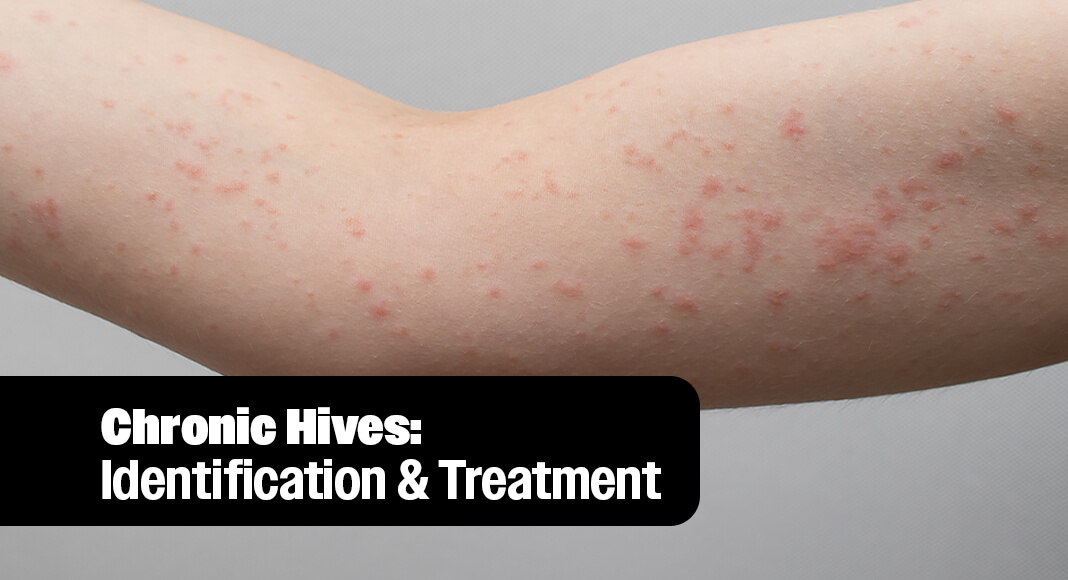
A new international study led by researchers at McMaster University has identified the most effective and safest treatments for people suffering from chronic urticaria, more commonly known as chronic hives. Image for illustration purposes
- Advertisement -

By McMaster University

Newswise — A new international study led by researchers at McMaster University has identified the most effective and safest treatments for people suffering from chronic urticaria, more commonly known as chronic hives.

Published in The Journal of Allergy and Clinical Immunology on July 15, 2025, the study is the first comprehensive network meta-analysis to compare more than 40 treatment options for chronic hives, a condition that affects about one per cent of people and can severely impact quality of life, sleep, and productivity. The study examined 93 randomized controlled trials involving over 11,000 participants.

- Advertisement -

Prior to now, patients and clinicians had to consult a growing list of treatment options without up-to-date evidence.

The research identified the following treatments as most effective:

  • Omalizumab, an injectable antibody, and remibrutinib, a new oral medication, are among the most effective treatments for reducing hives, itch, and swelling.
  • Dupilumab, another injectable antibody, also showed promise, particularly for reducing hives.
  • Cyclosporine may be effective but carries a higher risk of side-effects such as kidney toxicity and high blood pressure.

“This first comprehensive analysis of all advanced treatment options for chronic urticaria provides a clear and evidence-based ‘menu of treatment options’ for patients and their clinicians to choose from,” says Derek Chu, senior author and assistant professor with McMaster’s Department of Medicine.

Chu says the study makes clear which treatment options were the most effective and safe.

- Advertisement -

The findings of this study will be used to inform upcoming international clinical guidelines. The study received funding from the American Academy of Allergy, Asthma & Immunology (AAAAI) and the American College of Allergy, Asthma and Immunology (ACAAI).


- Advertisement -
- Advertisement -

- Advertisement -

More Articles

FDA Launches Expedited IND Pilot to Speed Up Clinical Trials

The U.S. Food and Drug Administration today announced the final design of the Expedited Investigational New Drug (IND) Pilot. Accelerating clinical trial timelines and eliminating regulatory hurdles to maintain American leadership in global medical innovation is a core priority for the Trump Administration.

Navigating Cardiovascular Health in Hispanic Communities

Cardiovascular disease is the leading cause of death for Hispanic and Latino people in the United States. But the challenges they face are hardly the whole story, say experts who helped write a new report on the heart health of these communities.

Easy Ways to Turn Picky Eaters Into Happy Eaters

September is National Fruits and Veggies Month. If you have a little one who isn’t a big fan of either, you’re in good company. It’s common for kids to be picky eaters.

New AI Tool Accurately Predicts Lung Cancer Immunotherapy Results

Artificial intelligence (AI) tools can help physicians predict treatment and survival outcomes in patients with advanced non-small cell lung cancer (NSCLC) treated with immunotherapy, according to a new study published in Nature Medicine.
- Advertisement -