








loader image
Sunday, February 8, 2026
59.7 F
McAllen
- Advertisement -

Easy Ways to Make Water More Appealing

Translate to Spanish or other 102 languages!

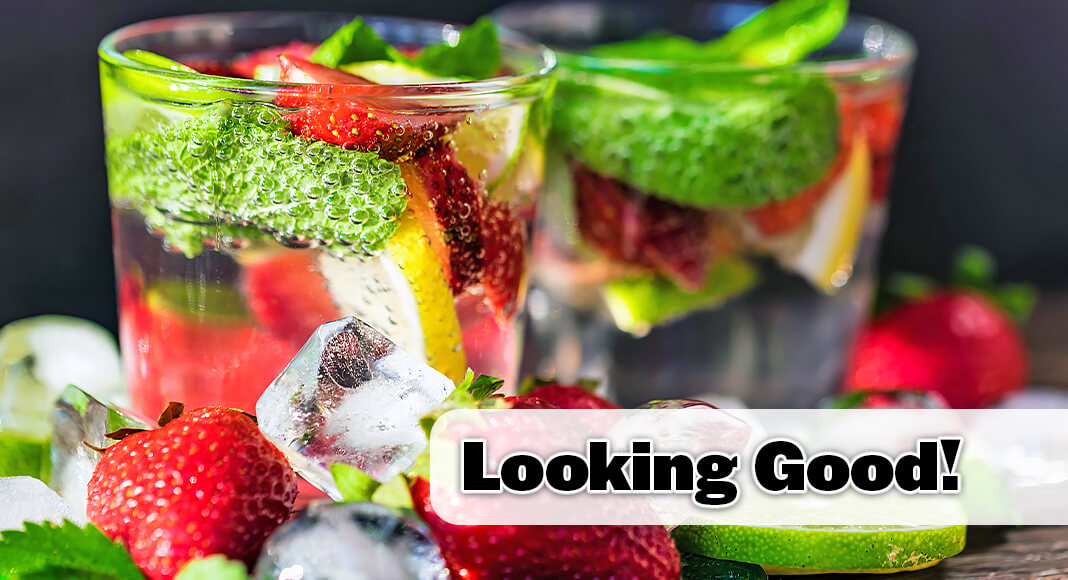
Some examples of making water more appealing  include watermelon, strawberries, grapefruit, cantaloupe, lettuce, cucumbers, celery, and tomatoes. Image for illustration purposes
Some examples of making water more appealing include watermelon, strawberries, grapefruit, cantaloupe, lettuce, cucumbers, celery, and tomatoes. Image for illustration purposes
- Advertisement -

CLEVELAND CLINIC – It can be easy to get dehydrated in these scorching temperatures, which is why it’s important to make sure you’re drinking enough water. 

But not everyone likes the taste of it. 

Kristin Kirkpatrick, RD, registered dietitian at Cleveland Clinic, offers some ways to help make it more appealing.

- Advertisement -

“Citrus works wonderful, and it doesn’t just have to be lemons or limes. It could be that you have an orange, or you’ve got a grapefruit that you squeeze some fresh juice at the beginning of the week, and you add a little bit to your water every time you have some. That not only may makes it a little bit tastier for you, but it also adds in some nutrients like vitamin C,” said Kirkpatrick.

Kirkpatrick said while water should be your primary source for hydration, you can supplement it with fruits and vegetables – specifically, those with highwater content. 

Some examples include watermelon, strawberries, grapefruit, cantaloupe, lettuce, cucumbers, celery, and tomatoes. 

Kirkpatrick adds that milk, tea and coffee have water in them too. 

- Advertisement -

If seltzer water seems more palatable, make sure it’s plain and doesn’t include a long list of ingredients or artificial sweeteners. 

The same goes for flavored powders. 

Instead, consider adding juice from a lemon, lime, or orange. 

As for sports drinks, she suggests skipping those unless needed. 

“A sports drink is necessary if we’re looking at the replacement of electrolytes, which we know typically occurs after you have about 60 minutes of physical activity. So, if we’re sitting around all day at the pool, it doesn’t make sense to have a sports drink which is equated to electrolyte replacement,” said Kirkpatrick. “Again, think about those guidelines. When do I really need extra sodium and potassium to replace what was lost? Typically, a sports drink is not necessary for most individuals.”

So how much water should we drink? 

Kirkpatrick said eight, eight-ounce glasses of water a day has been the general recommendation.

However, it really does vary. 

Someone who is very active may need more than that. 

- Advertisement -
- Advertisement -

- Advertisement -

More Articles

Inside the Physiology and Neuroscience of Winter Olympians

What makes Olympians the very best at what they do — even in cold, slippery or icy conditions? 

Study Finds 60% of American Women Choose Clinic Visits Over At‑Home Cervical Screening

American women now have the option of screening for cervical cancer at home, using newly approved self-collection tools. While experts hope this will increase uptake in the under-screened population, a first-of-its kind study by researchers from The University of Texas MD Anderson Cancer Center found the majority (60.8%) still prefer to see a medical professional in-clinic.

Food Safety Tips for a Healthy Super Bowl Sunday

Super Bowl parties often feature takeout, delivery and foods that are served over several hours. To help prevent foodborne illness, the U.S. Department of Agriculture’s (USDA) Food Safety and Inspection Service (FSIS) is reminding fans to keep food safety in play on game day.

FDA Updates Guidance on “No Artificial Colors” Labels as Natural Options Expand

The U.S. Food and Drug Administration took additional steps to support the transition of our nation’s food supply from the use of artificial petroleum-based colors to alternatives derived from natural sources. Companies will now have flexibility to claim products contain ‘no artificial colors’ when the products do not contain petroleum-based colors. In the past, companies were generally only able to make such claims when their products had no added color whatsoever — whether derived from natural sources or otherwise
- Advertisement -
×

