








Mega Doctor News
By Sharon Theimer | Mayo Clinic News Network
LONDON — High blood pressure, also known as hypertension, can occur at any age. Its prevalence in people in early to mid-adulthood has been rising globally. Bianca Bandarra, M.B.B.S., a general practitioner and executive health physician at Mayo Clinic Healthcare in London, describes lifestyle factors that can influence risk and explains why treating high blood pressure early matters.
High blood pressure is a common condition that affects the body’s arteries. If you have high blood pressure, the force of blood pushing against the artery walls is consistently too high. The heart has to work harder to pump blood.

If untreated, high blood pressure raises the risk of heart attack, heart failure, stroke and other serious health problems, including kidney and eye problems, dementia, and metabolic syndrome, a group of conditions that increases the risk of diabetes.
Hypertension usually develops with no symptoms
High blood pressure can be a silent disease; people can have it without realizing it, Dr. Bandarra says.
“If high blood pressure isn’t treated, it can damage blood vessels and organs over many years,” she explains. “Because of that, we need to be proactive about prevention and early diagnosis. A simple blood pressure check is an important screening tool. People with conditions such as diabetes, kidney disease or a family history of hypertension may need more frequent monitoring.”
If you have a family history of hypertension — for example, if one or both of your parents have it — it is sensible to be proactive and discuss with your healthcare team whether additional steps, such as monitoring your blood pressure at home, are appropriate.
While hypertension usually develops without symptoms, some people may notice warning signs if blood pressure becomes severely elevated, Dr. Bandarra says.
“Very high readings can sometimes be associated with headaches, especially in a hypertensive crisis,” she says. “Some people may also feel pressure or discomfort behind their eyes.”
Blurred vision, chest pain, palpitations, nosebleeds, shortness of breath and feeling tired and generally unwell can also occur, though these symptoms are not specific to hypertension and can have other causes. If you experience these symptoms, especially if they are new or severe, seek medical attention promptly, Dr. Bandarra says.
Lifestyle plays a role
Several lifestyle factors can influence the risk of developing hypertension, Dr. Bandarra says.
Factors that can raise the risk include having obesity or being overweight, tobacco use, alcohol use, high stress levels, eating too much salt, not consuming enough potassium and not moving enough.
Factors that can lower the risk include exercising, achieving a healthy weight, following a heart-healthy diet with fruits, vegetables and whole grains, exercising regularly, managing stress, avoiding tobacco and alcohol, and getting enough sleep.
“Some people may do all the right things and still develop hypertension,” Dr. Bandarra says. “That’s because genetics also play a role. We can take steps to prevent it from getting worse.”
Stopping hypertension from progressing
Treatment typically includes following a healthy lifestyle — even for people whose hypertension has a genetic component — and medication. Tests such as blood tests, urine tests and an electrocardiogram may be needed to assess overall health and look for organ damage or related conditions.
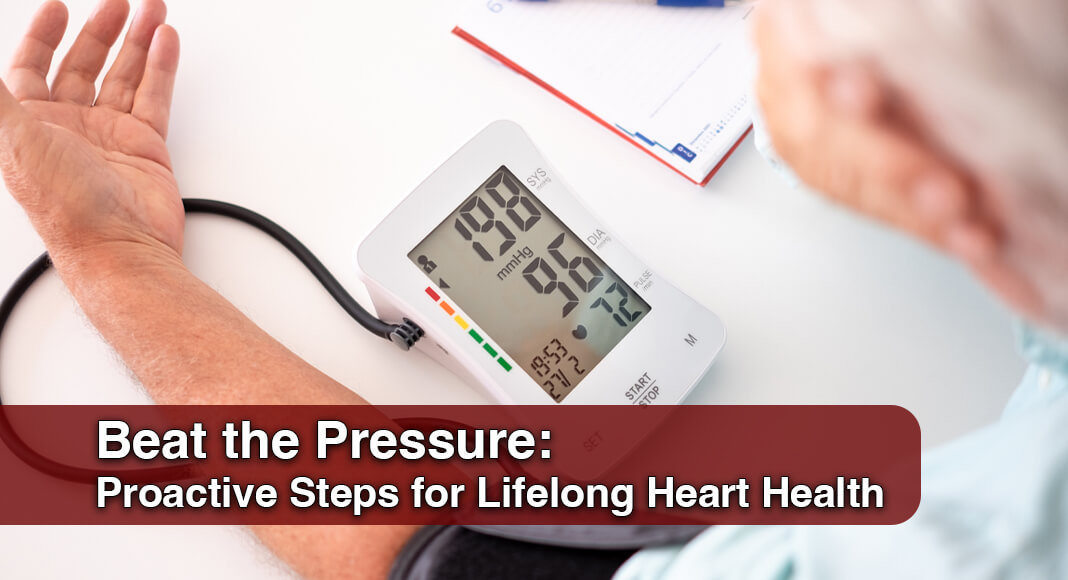
Whatever your risk level, checking your blood pressure at home in addition to routine health checkups can be a safe and useful way to track your cardiovascular health.
“Use a validated device with the correct cuff size and follow proper technique,” Dr. Bandarra says. “Raising awareness about high blood pressure for yourself, your friends and your family can make a real difference.”


