








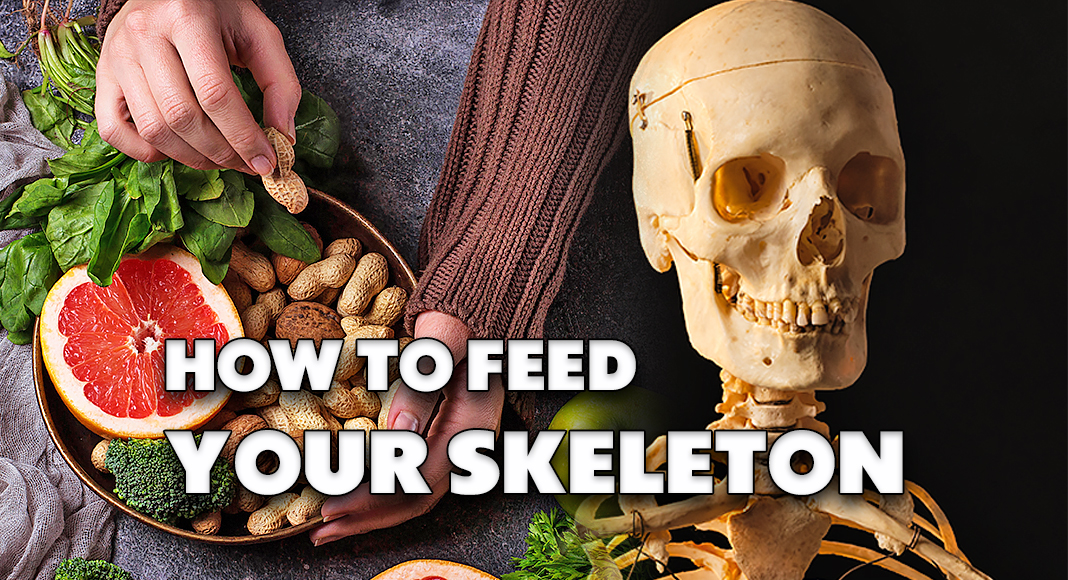
How to Feed Your Skeleton

Translate to Spanish or other 102 languages!

“Our bones are just like any other body part. We grow them and build them and support them by the food that we eat, and we can damage them by the food we eat, so certainly can go both ways,” said Julia Zumpano, RD, registered dietitian for Cleveland Clinic. Image for illustration purposes
- Advertisement -

CLEVELAND CLINIC – As you venture out for trick-or-treating this week, you’re sure to see a lot of spooky and scary skeletons on display. 

And while those are just for show, our real bones are much more important, which is why we need to keep them healthy. 

“Our bones are just like any other body part. We grow them and build them and support them by the food that we eat, and we can damage them by the food we eat, so certainly can go both ways,” said Julia Zumpano, RD, registered dietitian for Cleveland Clinic.

- Advertisement -

There are more than 200 bones in our body, and they serve many roles, like providing structural support and protecting our organs.

So, what can we eat to help keep our bones healthy?

Zumpano said milk, cheese, yogurt and oranges are good sources for calcium, while eggs, mushrooms, salmon and leafy greens have a lot of vitamin D.

But, those aren’t the only nutrients you need.

- Advertisement -

She said you should also pick foods that have vitamin K2, protein, magnesium, phosphorus and potassium in them.

As for what to avoid, she said it’s the same as what we would stay away from for general health, like salt and sodium.

“Salt and sodium can cause the body to lose calcium, we definitely don’t want that,” said Zumpano. “Most Americans eat way more sodium than we need to. And most of it’s coming from processed food, not necessarily adding salt to whole foods. So that’s another category that we want to avoid.”

She also recommends avoiding sugary foods and caffeinated beverages, like soda, which can impact the absorption of certain nutrients. 

- Advertisement -
- Advertisement -

- Advertisement -

More Articles

New Study Shows Wide Variation in Telemedicine Use Among Patient Groups

Use of telemedicine spiked amid the COVID-19 pandemic, but is still used significantly more in the years following crisis compared to the time before, new analysis from Penn Medicine researchers shows.

The Truth About Sleep Trackers and What They Measure

We probably all know someone who tracks their sleep with a smart watch, but have you ever wondered if those devices actually work? 

FDA Seeks Public Input on New In‑Home Opioid Disposal Standards

The U.S. Food and Drug Administration today issued a Request for Information (RFI)seeking public comment on potential new standards for in-home opioid disposal products. This effort is part of the agency’s broader work to combat the opioid crisis.

Depression and Suicidal Ideation Rise Sharply Among U.S. College Students, 15‑Year Study Finds

Results of an analysis of health survey data from more than 560,000 U.S. college students concludes that depression symptoms have steadily increased over the past 15 years, particularly among women, minorities and students experiencing financial stress
- Advertisement -

