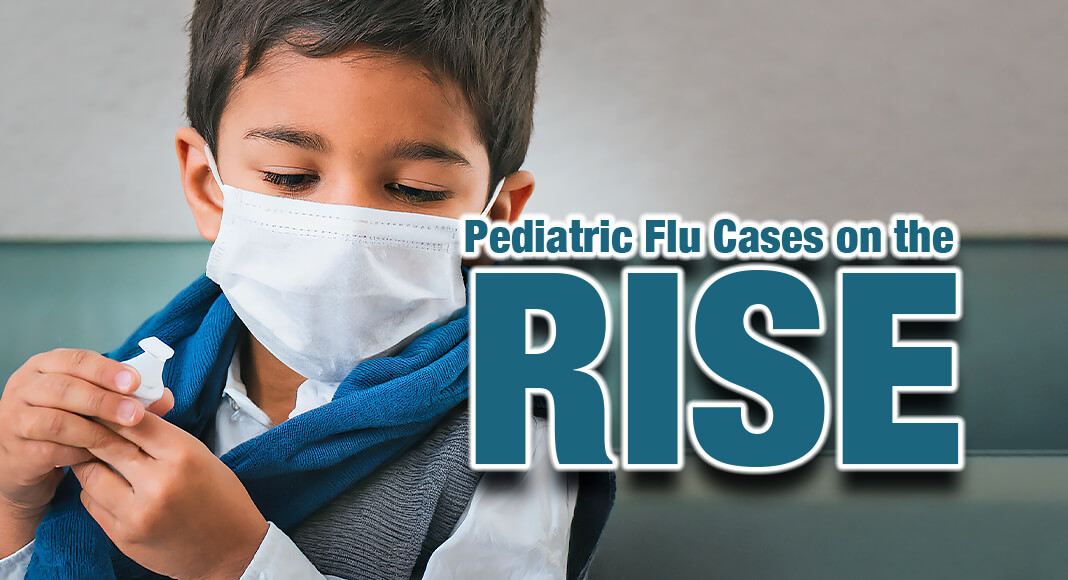

Pediatric Flu Cases on the Rise

Flu cases are continuing to rise across the country. A pediatric infectious disease specialist offers advice on how to prevent further spread.

Translate to Spanish or other 102 languages!

Now that the holidays are over and kids are back to school, more cases of the flu are being reported, Frank Esper, MD, pediatric infectious disease specialist with Cleveland Clinic Children’s, said is to be expected. Image for illustration purposes
- Advertisement -

CLEVELAND CLINIC – Now that the holidays are over and kids are back to school, more cases of the flu are being reported, Frank Esper, MD, pediatric infectious disease specialist with Cleveland Clinic Children’s, said is to be expected.

“Influenza does this, where it slowly goes up week after week, and then it really hits a peak and goes up exponentially for about three, four weeks and then finally subsides,” Dr. Esper explained.
 
The flu is a common respiratory virus and can easily spread. 

Symptoms often include fever, chills, body aches, cough, headaches, sore throat, runny or stuffy nose and fatigue. 

- Advertisement -

In mild cases, Dr. Esper said it can be treated at home with supportive care, like getting plenty of rest, staying hydrated, and taking pain relievers to help with headaches, body aches and fevers. 

Anti-viral medications are also available under certain circumstances. 

So, how can you and your little ones avoid getting sick? 

Dr. Esper said be sure to regularly wash your hands, sanitize high touch areas and get the flu vaccine if you haven’t. 
 
“The flu vaccine and the flu virus that’s in the community right now are pretty good matches based on the initial tests. So it’s going to help protect you from getting the flu, but more importantly, it will protect you from getting really, really bad flu, like that gets you in the hospital or on a breathing machine.” 
 
Dr. Esper said it’s also very important for people who are 65 and older, children under five, pregnant women, and those with pre-existing health conditions to get vaccinated, since they are considered more vulnerable. 

- Advertisement -
- Advertisement -

- Advertisement -

More Articles

The Hidden Chemicals Lurking in E-Cigarettes

Compared with traditional cigarettes, electronic cigarettes can seem simple and harmless. After all, they trade the eye-stinging smoke of burning tobacco leaves for something that looks like steam and might smell like air freshener. But that aroma masks a complex chemical mix that definitely worries experts who study the ingredients and effects of e-cigarettes, or vapes as they’re also known.

How Emerging Tick-Borne Viruses Evade the Human Immune System

Warmer temperatures bring out ticks that spread diseases such as Lyme disease and Rocky Mountain spotted fever. But another class of emerging tick-borne pathogens — nairoviruses — is on the rise.

Spotting Dehydration in Older Adults

As temperatures continue to heat up this summer, it’s important to keep a close eye on the older adults in your life.

$5.5 Million in Grants Awarded to Expand Texas Healthcare Services

Three Statewide Preceptorship Program (SPP) grants were awarded totaling $5.5 million to professional medical societies in Texas. The grants support hands-on training for Texas medical students in family medicine, general internal medicine, and pediatrics, including pediatric subspecialties. 
- Advertisement -