







Mega Doctor News

CLEVELAND CLINIC – Spending time in the sun is a great way to boost your mood and get some vitamin D.
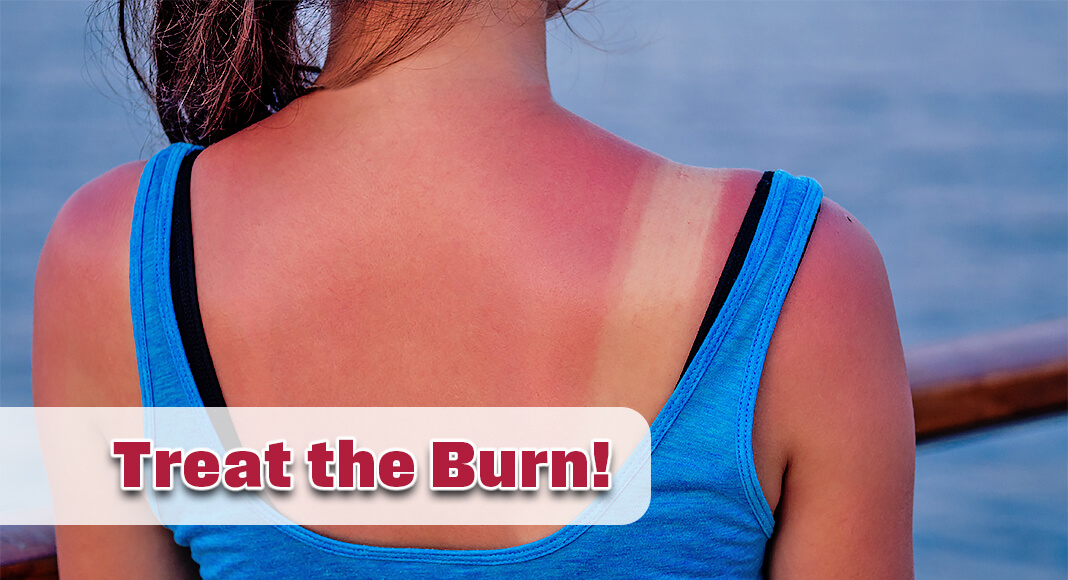
But we all know the painful consequences of overdoing it and ending up with sunburn.
“Our skin is our barrier to the outside world, but when the sun hits our skin, it causes irritation and damage. Your body’s response to that damage is the burn, and it’s warning you to get out of the sun because you’ve caused injury that it can’t repair as quickly as it’s happening,” explained Jennifer Lucas, MD, a dermatologist with Cleveland Clinic.

When it comes to sunburn, Dr. Lucas said you want to avoid irritating it even more.
Try not to touch the area as much as possible and leave any blisters or peeling skin alone.
To treat mild sunburn, Dr. Lucas suggests taking cool showers, using a gentle moisturizer and staying well-hydrated to help the skin recover.
You can also use aloe vera and an anti-itch cream for some relief.
If your symptoms worsen or don’t improve, Dr. Lucas said it’s important to seek medical help.
“Not every sunburn is something you want to take care of at home. If you get to the point where you’re having fevers, you’re throwing up, you’re lightheaded, you’re showing signs of infection – these symptoms may mean you’ve really overdone it,” Dr. Lucas said. “You could be dehydrated, you could have other things going on and those are times when you would need to seek medical attention.”
Above all, Dr. Lucas stressed that it’s best to prevent sunburn in the first place by using sunscreen.
Wearing SPF clothing and seeking shade during the midday hours can help as well.


