


Mega Doctor News

By Roberto Hugo González
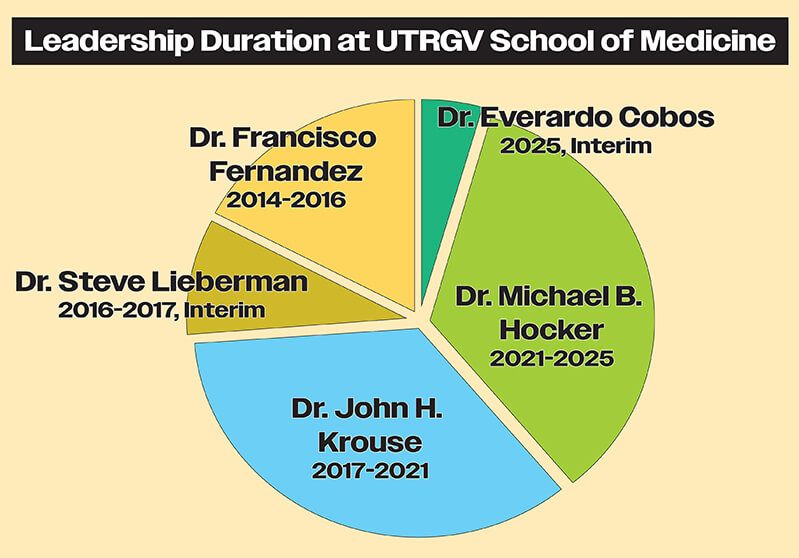
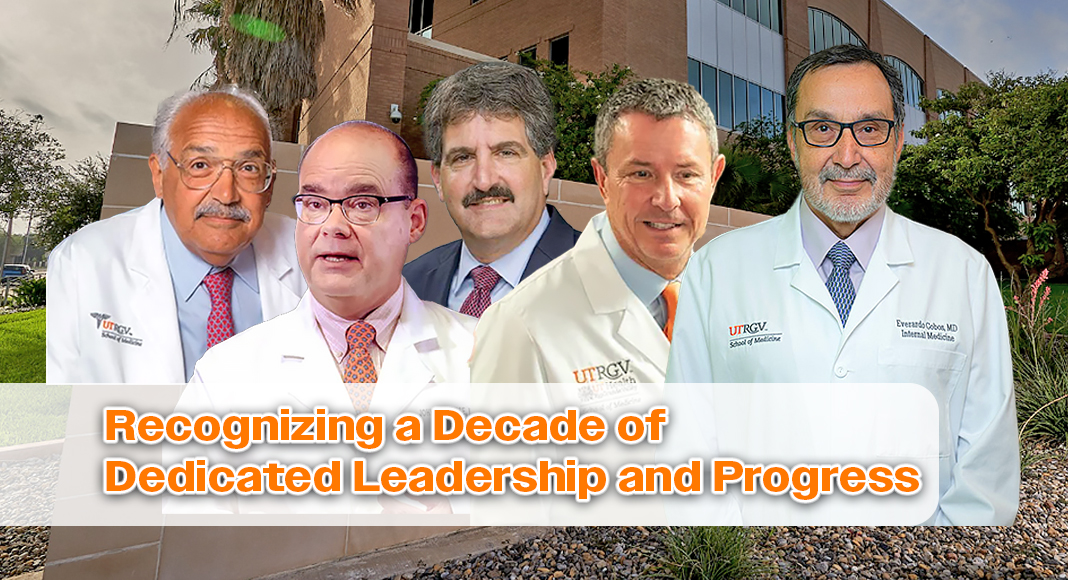
Since its inception, the UTRGV School of Medicine has been guided by dedicated leaders who have each played a pivotal role in shaping the institution’s direction and growth.
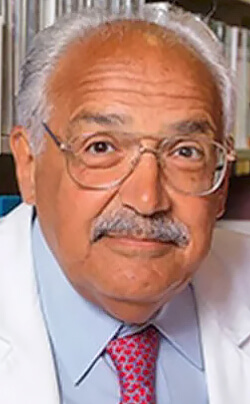
Dr. Francisco Fernandez served as the founding dean from 2014 to 2016. Under his leadership, the school achieved its initial accreditation and prepared for its first class of medical students, who enrolled in 2016. His tenure laid the foundation for the school’s future and concluded in July 2016 when he stepped down to return to the faculty.
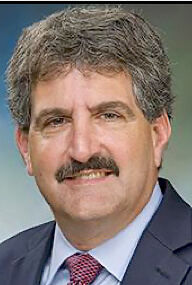
Following Dr. Fernandez’s departure, Dr. Steve Lieberman of UTMB provided interim leadership during the 2016–2017 academic year. During this transition, he offered critical stability and oversight as a national search was conducted for a permanent dean.
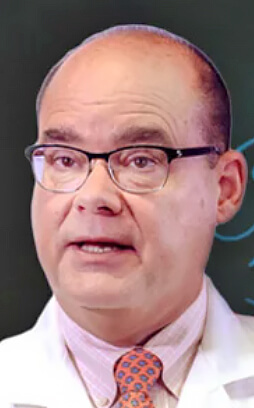
In 2017, Dr. John H. Krouse was appointed dean and also served as Executive Vice President for Health Affairs. His tenure, which lasted until 2021, was marked by significant efforts to expand clinical training opportunities and build institutional partnerships. These initiatives supported the school’s continued growth and integration with the healthcare community.
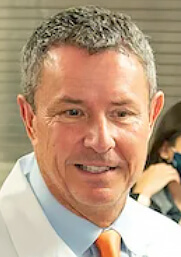
Dr. Michael B. Hocker began his term as dean on June 28, 2021. His leadership has focused on stabilizing and growing the institution in the wake of the COVID-19 pandemic and during a period of evolving hospital affiliations. Dr. Hocker’s forward-thinking approach and commitment to progress have positioned the School of Medicine and UT Health RGV for continued success. He is set to depart in July 2025 to assume the role of Executive Dean at the University of Tennessee Health Science Center.
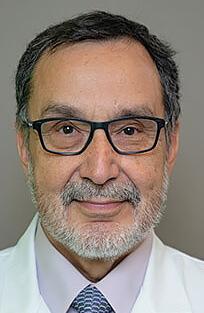
On May 1, 2025, Dr. Everardo Cobos was appointed interim dean. He will work closely with Dr. Hocker during a two-month transition period to ensure the continuity of leadership and ongoing momentum. Dr. Cobos’s appointment reflects the institution’s commitment to maintaining excellence and advancing the mission of the School of Medicine.
The UTRGV School of Medicine’s leadership timeline highlights a strong tradition of service and dedication. Each leader has made significant contributions, ensuring that the school continues to thrive as a cornerstone of medical education and healthcare in the Rio Grande Valley.
The establishment of the UTRGV School of Medicine resulted from decades of persistent advocacy and collaboration by leaders across the Rio Grande Valley. Community members, healthcare professionals, educators, and elected officials united around a shared vision to improve the region’s access to medical education and healthcare. Their efforts focused on addressing the Valley’s longstanding health disparities and physician shortages. Valley leaders secured the necessary legislative and financial support through strategic lobbying, planning, and partnerships with the University of Texas System. Their determination culminated in creating the School of Medicine, which officially welcomed its first class in 2016. This achievement shows the commitment to improving lives through education and healthcare.