








Mega Doctor News
Aug 1-7 is World Breastfeeding Week. Can a breastfeeding mom’s COVID-19 vaccine protect her baby too? A women’s health specialist weighs in.
CLEVELAND – The first week of August is World Breastfeeding Week. Nursing moms who have been vaccinated against COVID-19 may wonder if the vaccine’s protection is passed on to their newborn.
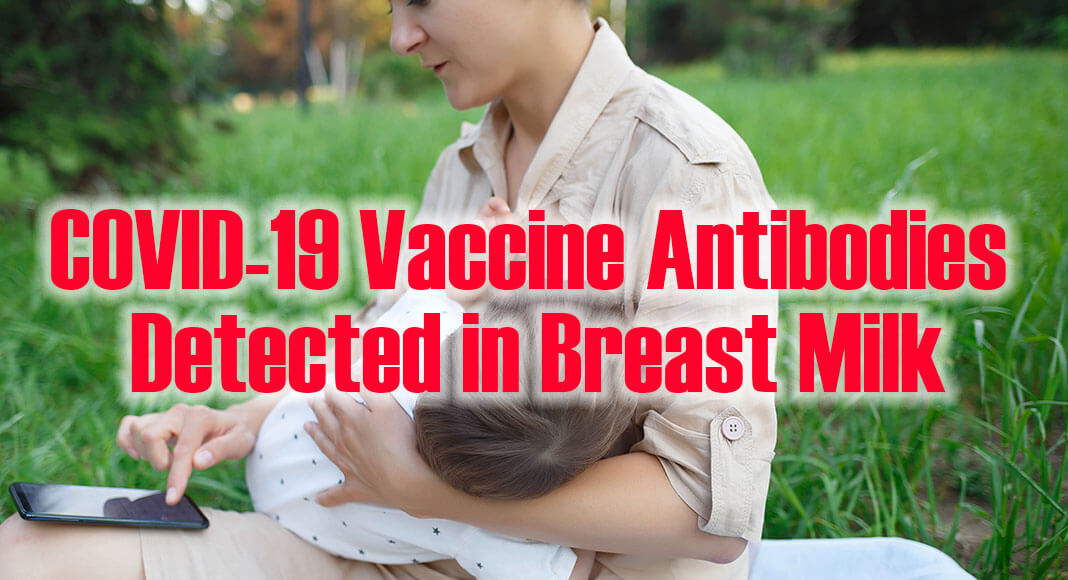
According to some small studies on COVID-19 mRNA vaccines, vaccine antibodies have been detected in breast milk.

Tosin Goje, MD, Ob/Gyn and infectious disease specialist for Cleveland Clinic, who was not involved in the research, said that’s good news.
“Those antibodies that we’re finding in breastmilk, antibodies against SARS-COV-2 that we’re finding in this breastmilk, we’re hoping they will offer some protection for these newborns,” said Dr. Goje.
A newborn’s immune system is still developing, leaving them vulnerable to viruses and bacteria, so they depend on protection from others. Women who are able to breastfeed provide their babies with antibodies to help them through their first few months of life.
In fact, it’s been shown babies who are breastfed have a lower risk for certain infections.
When it comes to COVID-19, some data suggest young infants may be at higher risk for severe illness. Research is ongoing about whether COVID-19 vaccine antibodies in breastmilk will protect an infant from coronavirus, but doctors know other vaccines, like the flu shot, are beneficial for a baby.
“When mothers get the flu vaccine, they produce antibodies and those antibodies actually protect the newborn when they are transferred through breastmilk to the babies,” Dr. Goje explained.
According to the CDC, pregnant women are more likely to become severely ill with COVID-19. Dr. Goje encourages women who are pregnant or lactating to get vaccinated.
If you have concerns about the vaccine, she said it’s best to speak with your healthcare provider.


