
Mega Doctor News

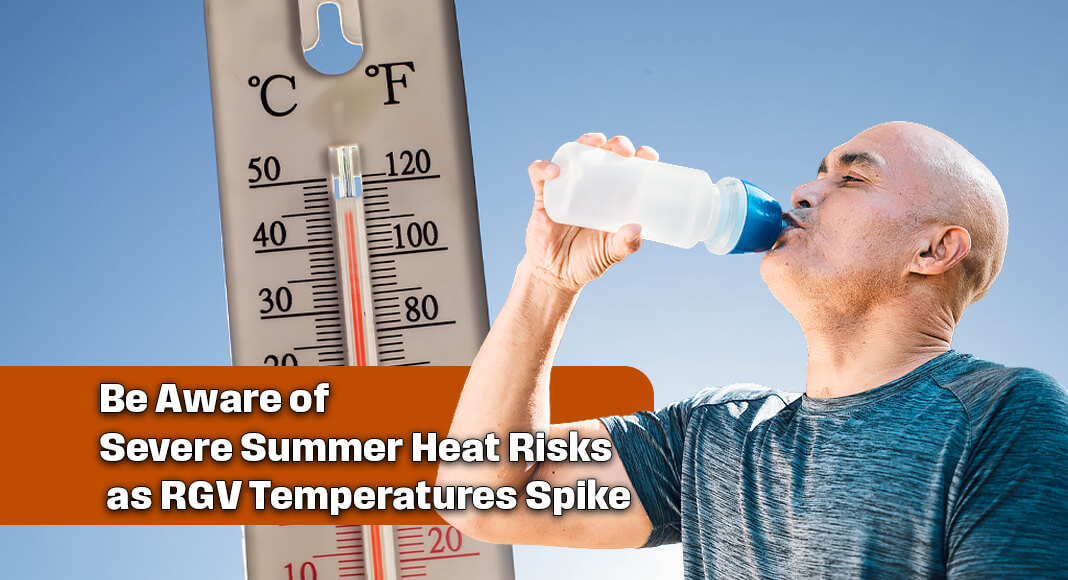
As extreme summer temperatures return to the Rio Grande Valley, South Texas Health System (STHS) is encouraging residents to stay safe by raising awareness about the prevention of heat-related illnesses.
With residents already experiencing oppressive heat ahead of the official start of summer on June 20, individuals are urged to prioritize heat safety and recognize the warning signs of heat-related illness to help prevent serious, potentially life-threatening complications.
“Heat-related illnesses can escalate rapidly, often progressing from mild symptoms to life-threatening conditions in a short amount of time if not recognized and addressed early,” says James Gratton, MD, an emergency medicine physician at STHS McAllen’s Level 1 Trauma Center. “That’s why it’s critical to act quickly at the first signs of heat stress.”

With the National Weather Service reporting heat index values exceeding 110 degrees in recent summers, the risk of heat-related illnesses, including heat exhaustion and heat stroke, has risen significantly, particularly for older adults, children, outdoor workers and those with underlying health conditions.
“In the emergency room, we often see patients whose conditions have deteriorated quickly due to heat exposure, especially among seniors, young children and outdoor workers,” says Dr. Gratton. “They’re more susceptible because their bodies struggle to regulate temperature or they’re exposed to heat for long periods of time, which can quickly become dangerous.”
Heat-related illness and mortality reached critical levels in 2024, with the Centers for Disease Control and Prevention (CDC) estimating 2,394 heat-related deaths across the United States.
Locally, across the 11 emergency departments at STHS, 271 patients were treated for heat-related illnesses in 2025. More than half of those cases (54%) occurred during the peak summer months of June, July and August.
Already in 2026, 62 cases have been reported through the end of May, well ahead of the most dangerous time of the year, highlighting the urgent need for early prevention and community awareness as temperatures continue to rise.
“We’re already seeing the impact of the heat in our emergency rooms, and we expect volumes to rise significantly as we move deeper into the summer,” says Dr. Gratton. “Our ER teams are preparing for a very busy season, especially as extreme temperatures become more frequent across the Valley.”
It’s important to remember that prolonged exposure to high heat and humidity, especially without adequate hydration or relief, can lead to a range of heat-related illnesses, including heat rash, heat cramps, dehydration, heat exhaustion and heat stroke.
While heat exhaustion can often be managed with prompt cooling and fluid replacement, continued exposure may result in longer-term effects, such as chronic heat sensitivity, sleep disturbances and an increased susceptibility to illness and minor injuries.
As the Valley prepares for the hottest season of the year, the STHS Trauma & Critical Care Institute is urging the community to take proactive steps to stay safe. To help reduce the risk of heat-related illnesses, the institute is offering the following tips to beat the heat:
• Keep cool: Limit time in the heat. Seek air-conditioned spaces whenever possible. If you don’t have AC, use public locations like malls or libraries to stay cool.
• Be mindful of temperature & time: Avoid being outdoors during the hottest part of the day, typically between 3:00 and 6:00 p.m. Plan activities accordingly, and whenever possible, schedule them during the early morning or late evening when temperatures are cooler. This is especially important if you’ll be engaging in physical activity.
• Stay hydrated: Don’t wait until you feel thirsty to drink fluids. Water and sports drinks are the best options during hot weather. Avoid alcohol, as it can increase dehydration.
• Protect your skin: Apply sunscreen regularly and wear lightweight, loose-fitting clothing to reduce the risk of sunburn and heat-related skin damage.
• Check on vulnerable individuals: Older adults and young children are especially susceptible to heat-related illnesses. Make it a habit to check on family, friends and neighbors, and encourage others to do the same.
• Care for pets: Ensure pets have access to plenty of fresh water and avoid leaving them outdoors during the hottest parts of the day.
• Stay informed: Monitor local weather updates and pay close attention to the heat index, which combines temperature and humidity. When the heat index reaches the high 90s or above, limit outdoor activity and take extra precautions.
While time in the sun is one of the best parts of summer, too much exposure can quickly become dangerous. If you or someone around you begins to show signs of a heat-related illness, seek medical attention immediately by calling 911 or going to the nearest emergency department.
The STHS Trauma & Critical Care Institute, comprised of 11 emergency rooms across the region, including sevenconvenient freestanding emergency departments, offers the largest integrated network of emergency care in the Valley. To find the location near you, visit www.southtexashealthsystem.com/our-facilities.
Information source: STHS