



Mega Doctor News
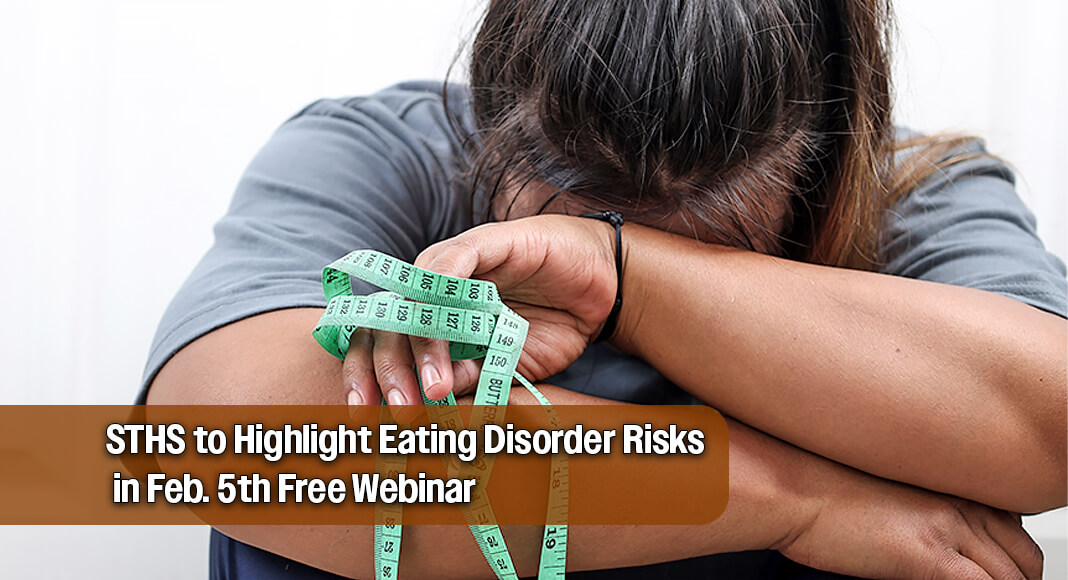
Marked by severe disturbances in a person’s eating behaviors, eating disorders are mental health conditions characterized by abnormal behaviors, views and emotions as they relate to food, body image and weight.
“While many people may be concerned about their health, weight or appearance on occasion, some become fixated or obsessed with weight loss, body weight or shape and controlling their food intake,” says Mariano Jimenez, Licensed Professional Counselor-Associate, South Texas Health System (STHS) Behavioral. “These thoughts can consume an individual’s entire life, causing them to think, feel and act in extreme ways to avoid eating food.”
Eating disorders do not discriminate, affecting individuals of all ages, genders, races and backgrounds.

Roughly 9% of the U.S. population—approximately 28.8 million people— will struggle with an eating disorder in their lifetime, according to the National Eating Disorders Association, with 95% of cases starting by age 25. Unfortunately, only 27% of sufferers receive treatment.
“It’s common for people with eating disorders to avoid treatment due to intense shame, stigma and the self-validating nature of the illness, where behaviors feel aligned with an individual’s self-worth or identity,” says Jimenez. “Additional barriers include the belief that they aren’t ‘sick enough,’ as well as financial barriers, lack of access to treatment and fears of losing their coping mechanism.”
Left untreated, eating disorders like anorexia, bulimia and binge-eating disorder can take a serious toll on the body, affecting its ability to get the nutrition it needs and eventually leading to harm of the heart, digestive system, bones, teeth and mouth, even death.
Eating disorders can also impact an individual’s mental health, including an increased risk of depression, anxiety, self-harm and suicidal thoughts and behaviors.
With proper treatment, an individual experiencing disordered eating can return to healthier eating habits and learn healthier ways to think about food and your body. They also may be able to reverse or reduce serious problems caused by the eating disorder.
“Finding the right type of treatment depends on the eating disorder and its symptoms,” says Jimenez. “It usually includes a mix of talk therapy, medical monitoring and nutrition education or medicines. Regardless of the plan, treatment can help people eliminate symptoms, return to a healthy weight and maintain their physical and mental health.”
To help Rio Grande Valley residents understand disordered eating, STHS Behavioral will dedicate its latest Let’s Talk Mental Health webinar to the subject.
Broadcast live via STHS’ Facebook page, from 5:30 – 6:30 p.m., on Thursday, February 5, 2026, the online seminar will highlight the complications associated with eating disorders, the warning signs and symptoms associated with the mental health condition and the treatment options available for people experiencing disordered eating.
Additionally, Jimenez will highlight practical strategies for supporting a loved one with an eating disorder, including tips on encouraging them to seek professional help and providing emotional support.
For more information on the webinar, visit the STHS Facebook Events page. If you’d like to view previous Let’s Talk Mental Health seminars, visit STHSLetsTalk.com.
| Who: | South Texas Health System Behavioral |
| What: | FREE virtual seminar entitled “Let’s Talk Mental Health – Eating Disorder Prevention” |
| When: | Thursday, February 5, 2025, from 5:30 – 6:30 p.m. |
| Where: | Online via STHS’ Facebook page |