






loader image
Thursday, January 8, 2026
86.4 F
McAllen
- Advertisement -

Hold the Salt to Help Your Heart

Translate to Spanish or other 102 languages!

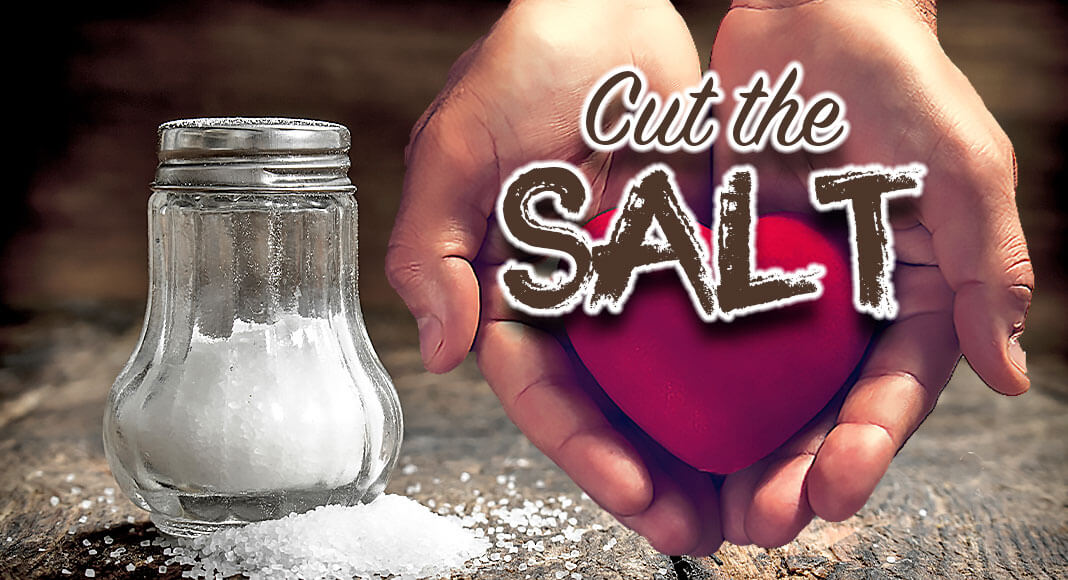
The Food and Drug Administration outlined new, voluntary guidelines to lower sodium levels in food. But those with high blood pressure or who are at risk for heart disease may want to consider simply saying no to sodium. Image for illustration purposes

Mega Doctor News

- Advertisement -

 MAYO CLINIC – The Food and Drug Administration outlined new, voluntary guidelines to lower sodium levels in food. But those with high blood pressure or who are at risk for heart disease may want to consider simply saying no to sodium. 

The FDA recommendations, rolling out gradually over the next 2½ years, would steer daily sodium intake from 3,400 to 3,000 milligrams ― still higher than the 2,300 milligrams recommended by health experts. Dr. Amy Pollak, a Mayo Clinic cardiologist, says a majority of salt intake in U.S. diets comes from processed or prepared foods.

Sprinkling salt can add flavor to food, but too much can raise our blood pressure too high.

- Advertisement -

“Having high blood pressure is a major risk for heart attack, for stroke, for heart failure ― even for things like dementia,” says Dr. Pollak.

Curbing salt use at the dinner table or when going out to eat can reduce blood pressure by up to 10 points.

“If you go out to eat and someone is preparing your food, just ask them, ‘Hey, don’t add any salt to my food, please,'” says Dr. Pollak.

When it comes to cooking at home, try adding more herbs, spices or sodium-free flavorings to replace salt.

- Advertisement -

“It takes a while to reset your taste buds to get used to that lower-salt diet, but you can really make up for any flavor deficits by using more spices or more herbs,” says Dr. Pollak.

Maintaining a healthy weight or losing weight can lower your blood pressure.

“Certainly, some people can have a more dramatic effect on blood pressure with weight loss, but where you can see the most bang for your buck is really in the low-salt diet,” says Dr. Pollak.


- Advertisement -
- Advertisement -

- Advertisement -

More Articles

Texas A&M College of Nursing Answers the Rio Grande Valley’s Call

t’s important to Leann Horsley, PhD, dean of the Texas A&M University College of Nursing, that the students and region know: The program is the same one Aggies studying in Bryan-College Station have come to trust and leverage when it’s time to enter the health care workforce.

Miller Earns OTA of the Year Award as He Concludes 40-Year Career

South Texas College faculty member Layman Darnell Miller was recently honored as the Occupational Therapy Assistant (OTA) of the Year by the Texas Occupational Therapy Association (TOTA), a prestigious statewide recognition celebrating his decades of service as a clinician, educator, veteran and advocate for the profession.

Crossing Borders at Dawn, STC Dual Credit Students Train to Save Lives

Each morning at 6 a.m., South Texas College Dual Credit students Carol Peña, 16, Darianna Martinez, 18 and Moises Cardenas, 17, leave their homes in Miguel Aleman, Mexico, and cross the border before sunrise

STC to Launch New Biology Track for Nursing and Health Professions in 2026

Mega Doctor News By Selene Rodriguez South Texas College will introduce a new...
- Advertisement -
×
