








Mega Doctor News
By Laurel Kelly / Mayo Clinic News Network
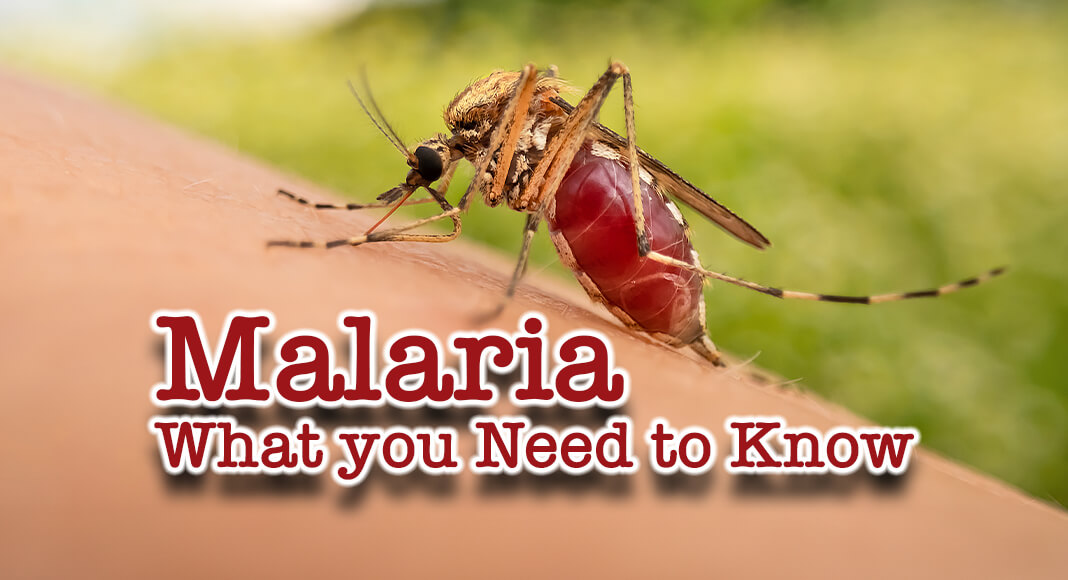
Malaria is caused by a single-celled parasite of the genus Plasmodium. The parasite is transmitted to humans most commonly through mosquito bites. The malaria parasites enter the bloodstream and travel to the liver. When the parasites mature, they leave the liver and infect red blood cells. This is when people typically develop malaria symptoms. Because the parasites that cause malaria affect red blood cells, people also can be infected by exposure to infected blood, including from mother to unborn child, through blood transfusions and by sharing needles used to inject drugs.
Each year, nearly 290 million people are infected with malaria, and more than 400,000 people die of the disease. The greatest risk factor for developing malaria is to live in or visit areas where the disease is common. These areas include tropical and subtropical regions of sub-Saharan Africa, South and Southeast Asia, the Pacific Islands, Central America, and northern South America. The degree of risk depends on local malaria control, seasonal changes in malaria rates and the precautions you take to prevent mosquito bites.

Symptoms of malaria
Signs and symptoms of malaria typically begin within a few weeks after being bitten by an infected mosquito. However, some types of malaria parasites can lie dormant in your body for up to a year. Some people who have malaria experience cycles of malaria “attacks.” An attack usually starts with shivering and chills, followed by a high fever, then sweating, and finally a return to normal temperature.
Signs and symptoms of malaria can include:
- Fever
- Chills
- General feeling of discomfort
- Headache
- Nausea and vomiting
- Diarrhea
- Abdominal pain
- Muscle or joint pain
- Fatigue
- Rapid breathing
- Rapid heart rate
- Cough
Treatment and prevention
Malaria is treated with prescription drugs to kill the parasite. The types of drugs and the length of treatment will depend on the type of malaria parasite you have, the severity of your symptoms, your age and whether you’re pregnant.
To reduce malaria infections, world health programs distribute preventive drugs and insecticide-treated bed nets to protect people from mosquito bites. Protective clothing, bed nets and insecticides can protect you while traveling. You also can take preventive medicine before, during and after a trip to a high-risk area.
In 2021, the World Health Organization (WHO) recommended widespread use of a new malaria vaccine for children. WHO Director-General Dr. Tedros Adhanom Ghebreyesus called the long-awaited vaccine a “breakthrough for science, child health and malaria control,” and said that when combined with existing tools to prevent malaria, tens of thousands of children could be saved each year.
Connect with others in the Infectious Diseases Support Group on Mayo Clinic Connect, an online patient community moderated by Mayo Clinic.
Information Source: Mayo Clinic News Network


