Mega Doctor News

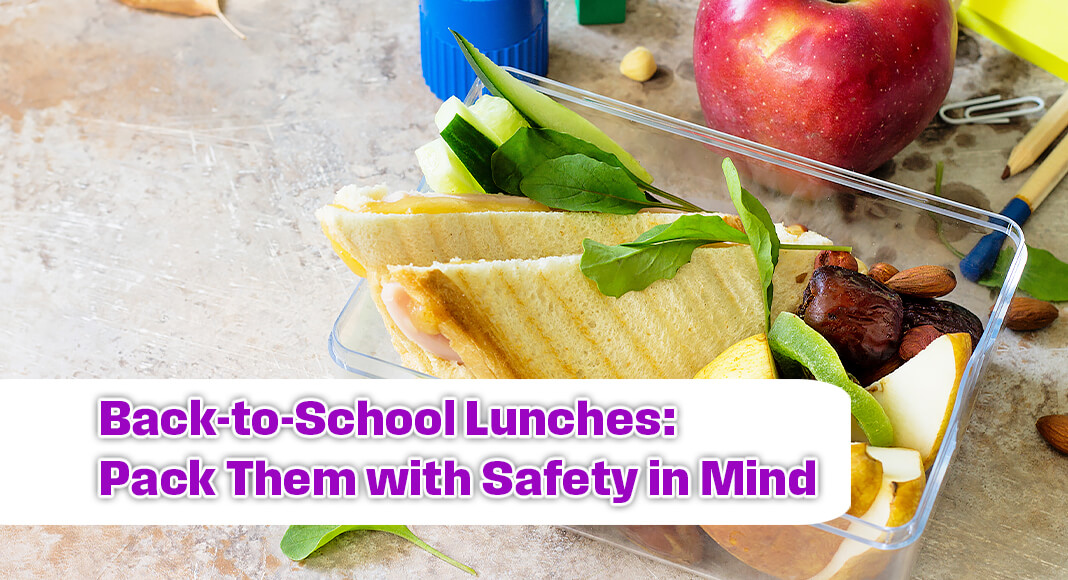
WASHINGTON, August 5, 2025 — Back-to-school shopping usually means backpacks, notebooks and lunchboxes. But don’t forget to add food safety to the list.
Young children, especially those under age five, are more likely to get seriously sick from foodborne illness. The U.S. Department of Agriculture (USDA) is reminding parents, caregivers, and anyone packing school lunches to follow a few simple food safety steps.
“As the school year begins, we want families to keep food safety top of mind,” said USDA Food Safety and Inspection Service (FSIS) Administrator Dr. Justin Ransom. “Young children are more vulnerable to foodborne illness, and we want to make sure they stay healthy and ready to learn.”

Here are USDA’s top food safety tips for the school year.
Keep cold foods cold
Use at least two cold sources, such as gel packs, frozen water bottles, or frozen juice boxes. Place them on top and bottom of perishable items like meat, poultry, and eggs. This helps keep food out of the Danger Zone, which is between 40 and 140 degrees F. In this range, bacteria can grow quickly and cause illness.
Choose the right lunchbox
Use an insulated lunchbox. Paper bags are not a safe choice because they tear and leak as cold items thaw, which allows cold air to escape.
Keep hot foods hot
For hot foods like soup or chili, use an insulated container. Fill it with boiling water and let it sit for a few minutes before adding food. Dump out the water, add the hot food, and keep the lid closed until lunchtime. Hot foods should stay at 140 degrees F or higher.
Follow the four steps to food safety
- Clean: Wash hands with soapy water for at least 20 seconds before, during, and after handling food. Clean and sanitize lunchboxes regularly.
- Separate: Keep raw meat and poultry separate from fruits, vegetables, and other ready-to-eat foods. Discard any containers or bags that held raw items.
- Cook: Use a food thermometer to make sure foods are cooked to a safe internal temperature.
- Chill: Use two cold sources to keep perishable foods below 40 degrees F. Discard leftovers if they enter the Danger Zone (between 40 and 140 degrees F) for more than two hours.
For more information about food safety, call the USDA Meat and Poultry Hotline at 1-888-MPHotline (1-888-674-6854) or email MPHotline@usda.gov.
Information source: USDA